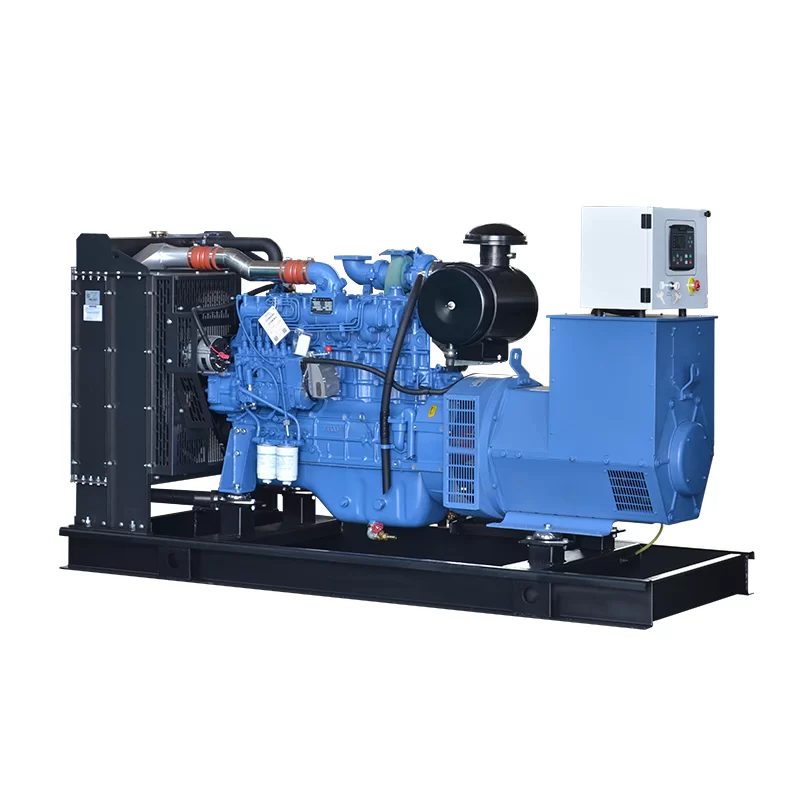
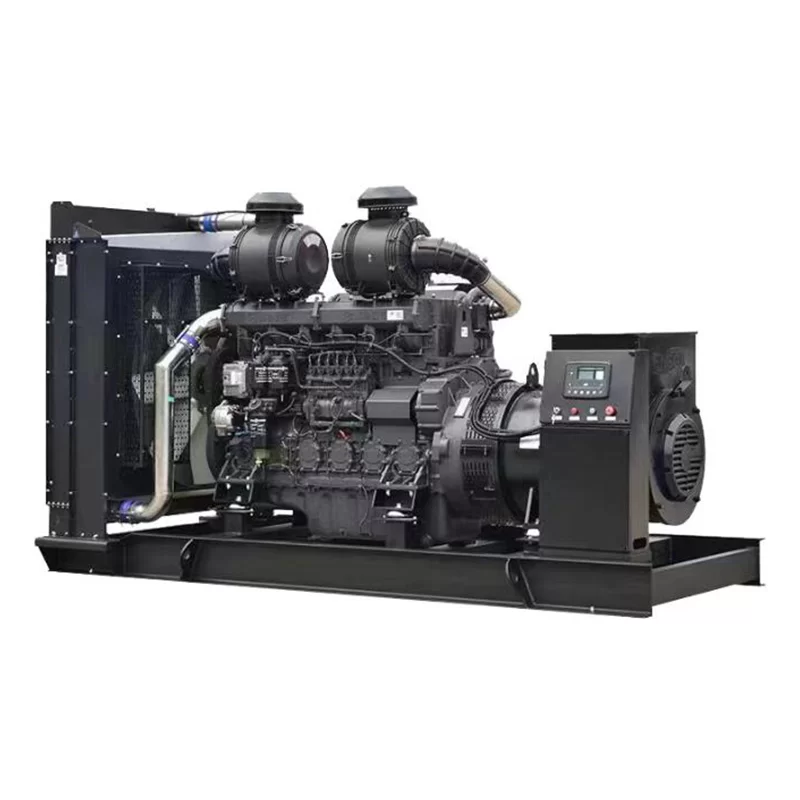
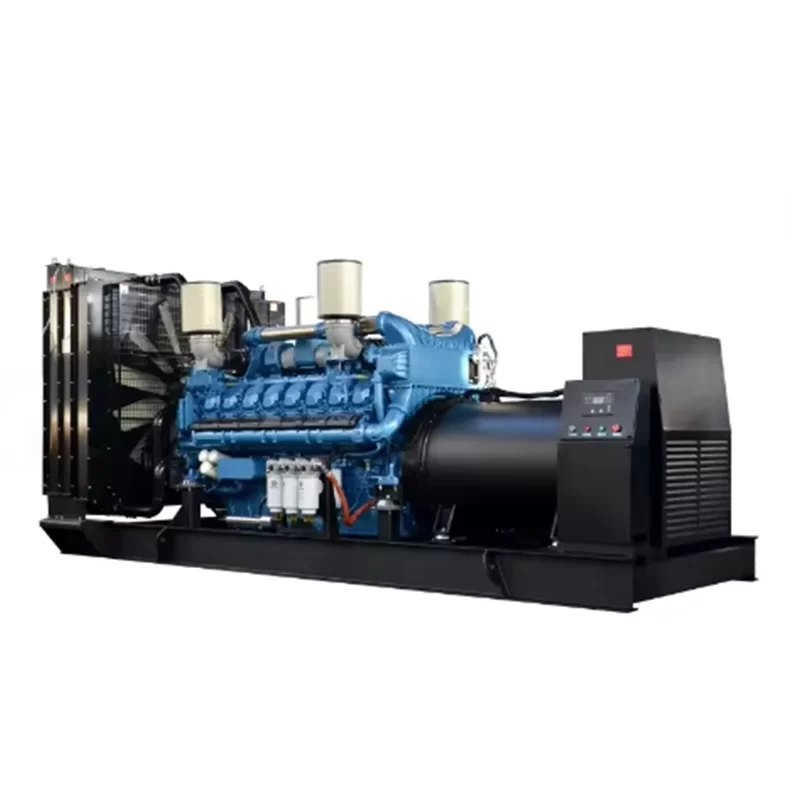
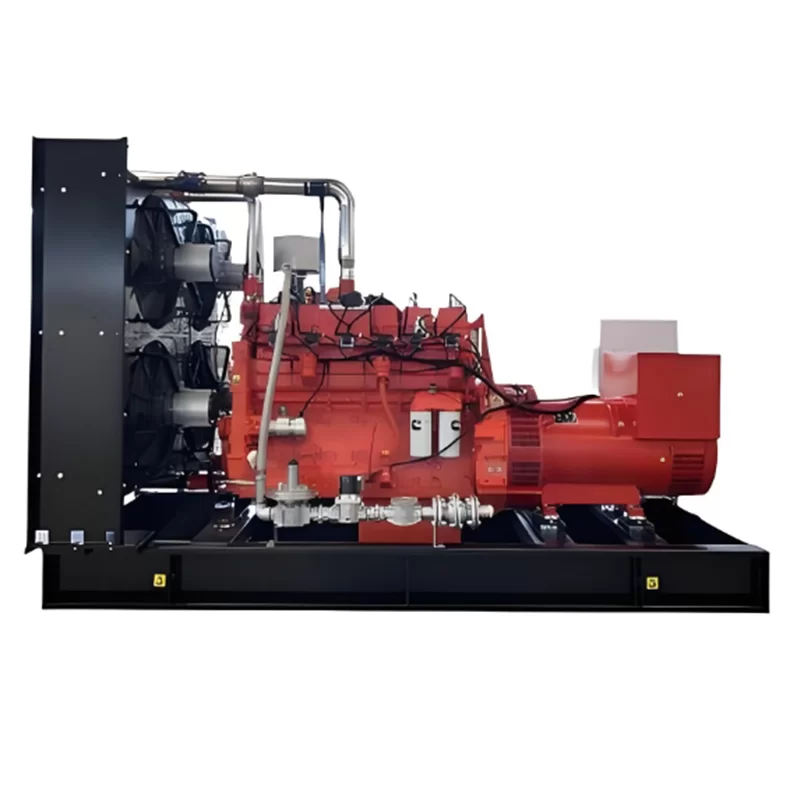
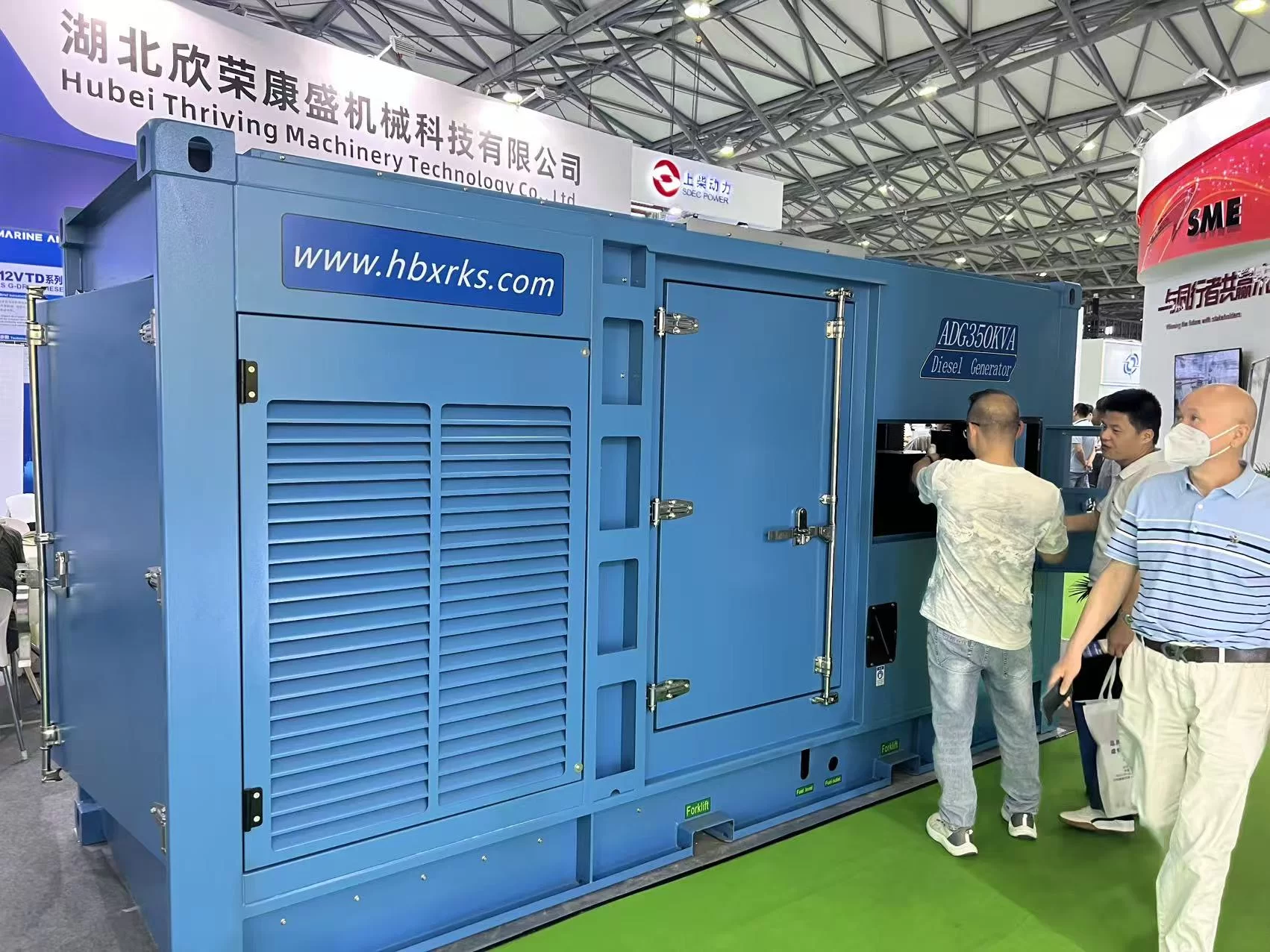
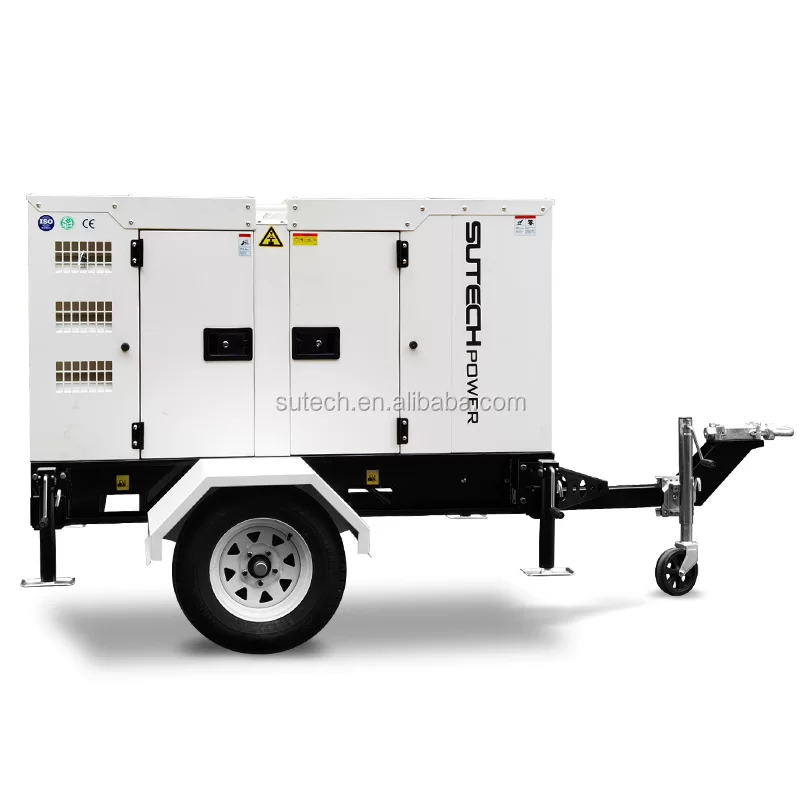
Large industrial facilities, including manufacturing plants, processing units, refineries, and heavy machinery workshops, rely on uninterrupted and stable power to maintain production efficiency, ensure worker safety, and prevent costly downtime. In these environments, even a short power outage can result in production losses, equipment damage, and safety hazards. Implementing reliable power solutions is therefore essential for industrial operations that depend on continuous energy supply to function effectively. High-quality generators, particularly natural gas and diesel-powered generators, provide a dependable, efficient, and flexible solution for meeting the complex energy demands of large industrial facilities.
Industrial power demands are unique compared to residential or commercial settings. Factories and processing plants often operate multiple heavy machines, automated production lines, and temperature-sensitive systems simultaneously. Voltage fluctuations, sudden power cuts, and inconsistent frequency can disrupt operations and damage equipment, leading to costly repairs and extended downtime. A carefully selected generator system ensures that industrial processes continue uninterrupted, safeguarding both productivity and employee safety. Generators optimized by engine type allow facility managers to match engine performance with specific operational requirements, ensuring stable power delivery under all conditions.
Natural gas generators have become increasingly popular in industrial settings due to their high efficiency and low environmental impact. They operate on clean-burning natural gas, significantly reducing emissions of nitrogen oxides, carbon monoxide, and particulate matter compared to traditional diesel generators. This cleaner operation helps large industrial facilities comply with environmental regulations and reduce their carbon footprint. In addition, natural gas generators operate quietly, require less frequent maintenance, and can be used safely indoors or near populated areas. Diesel generators, meanwhile, are renowned for their durability, high power density, and ability to handle heavy, continuous loads, making them ideal for more demanding industrial applications.
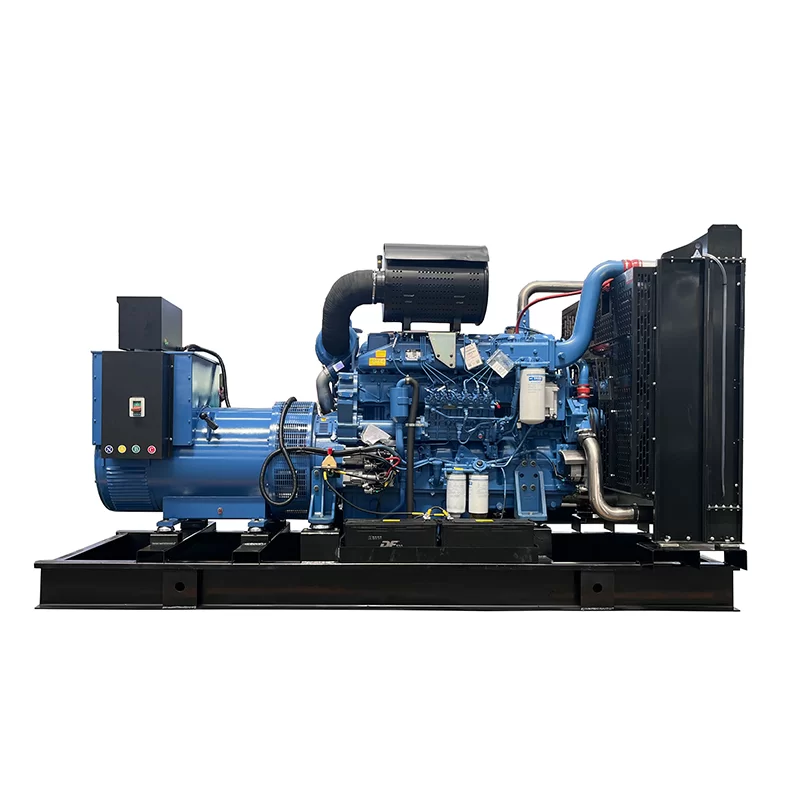
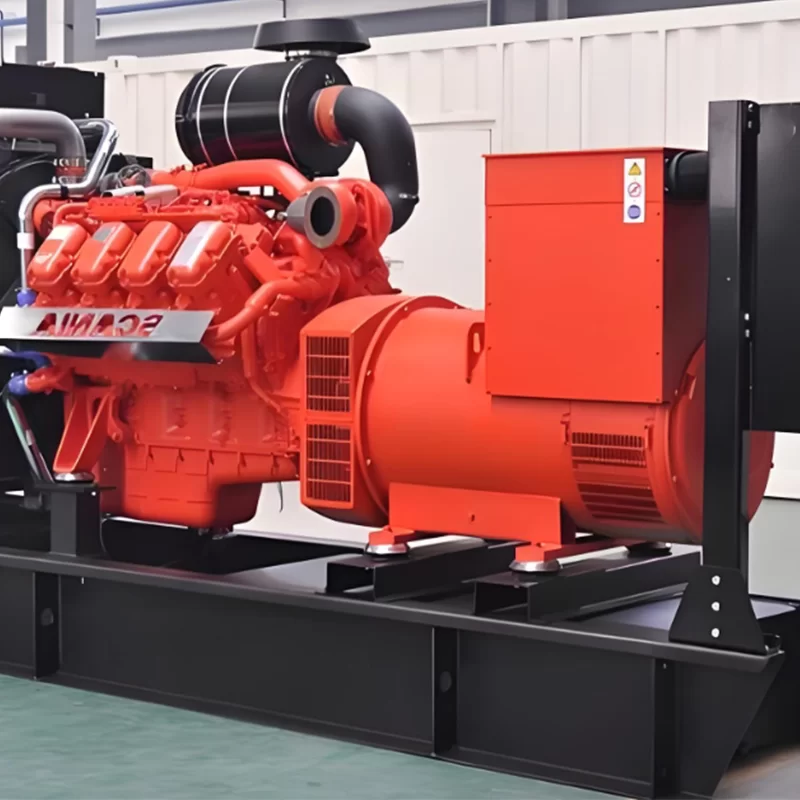
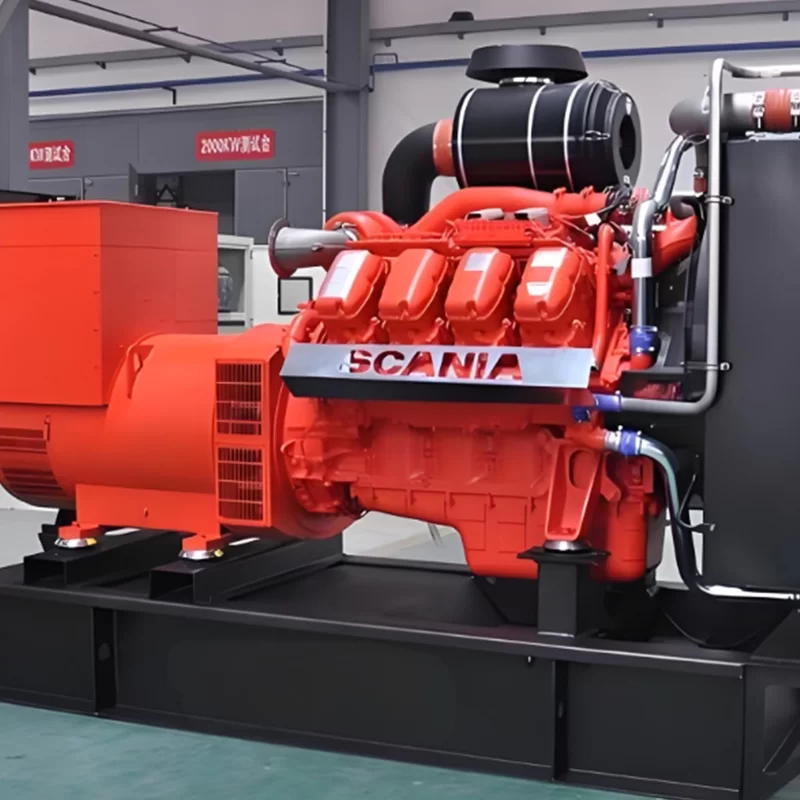
Engine selection plays a crucial role in ensuring generator reliability and efficiency. High-quality engines from manufacturers such as CUMMINS, Perkins, or MTU offer long lifespans, robust performance, and fuel efficiency. Industrial generators are available in single-engine or multi-engine configurations, allowing managers to select systems that match their facility’s load requirements. Advanced engine control systems monitor performance, optimize fuel consumption, and provide real-time diagnostics for predictive maintenance. This ensures that generators remain reliable even during peak load periods or in harsh industrial environments.
The power range of the generator is another critical consideration for industrial applications. Large industrial facilities often require generators capable of producing hundreds of kilowatts to several megawatts of power. Selecting a generator with the appropriate output prevents overloading, reduces fuel waste, and ensures stable operation. Modular generator systems are particularly advantageous for industrial sites, as they allow facilities to scale their power capacity according to production needs. This modularity ensures that energy supply can expand or contract efficiently as operations change, providing both cost savings and operational flexibility.
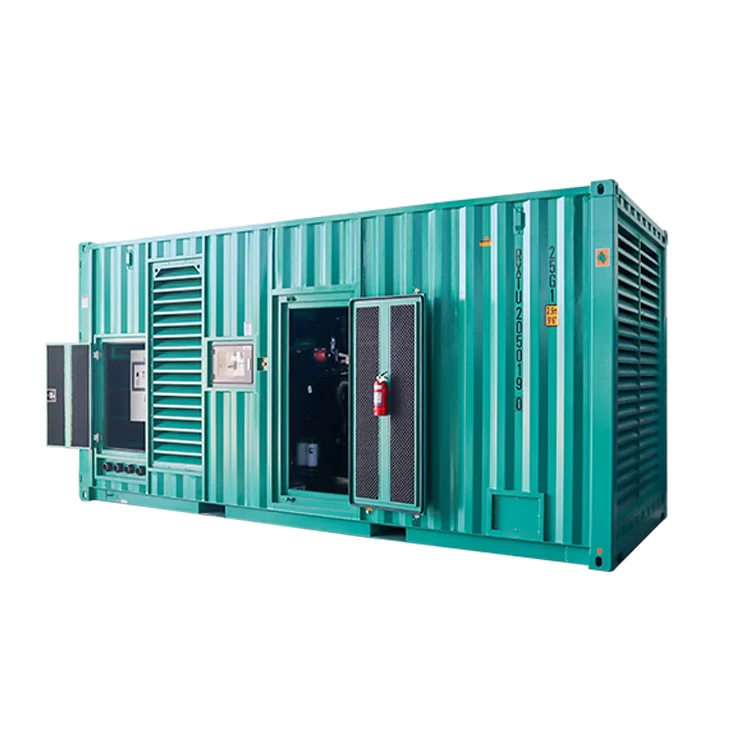
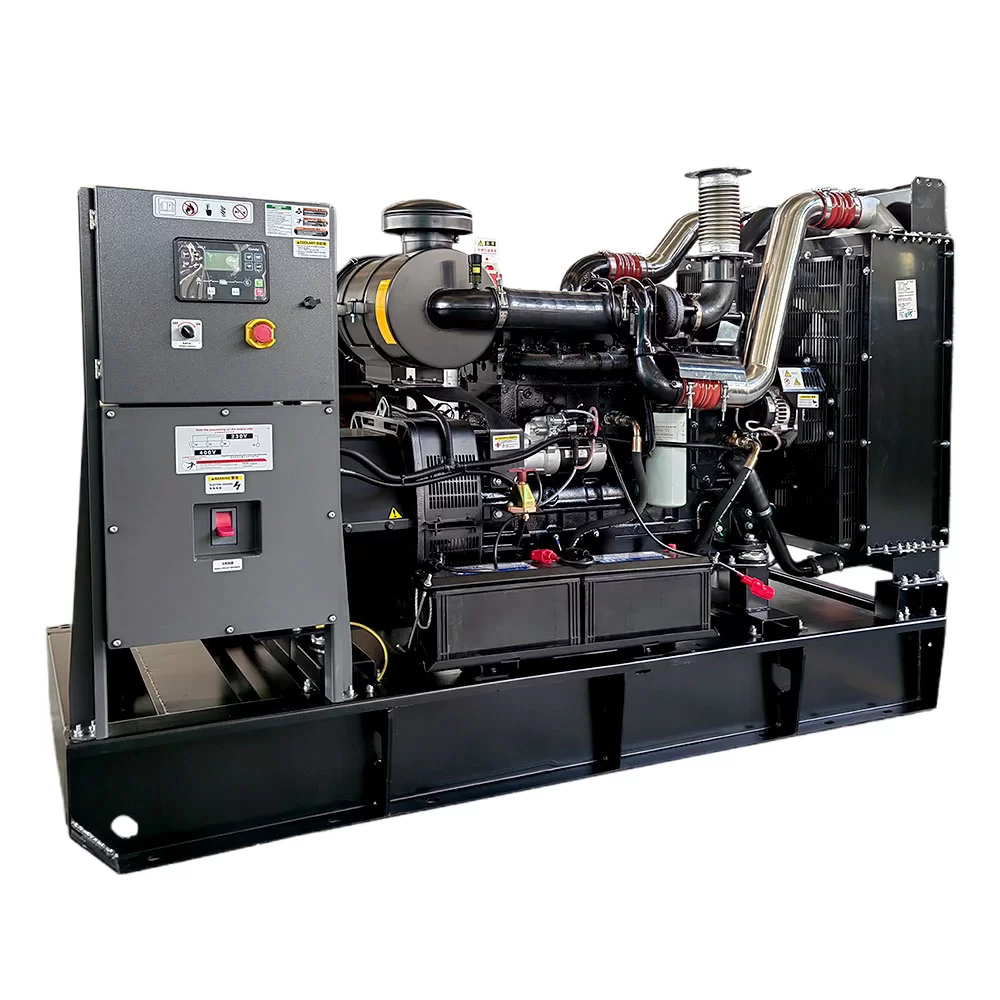
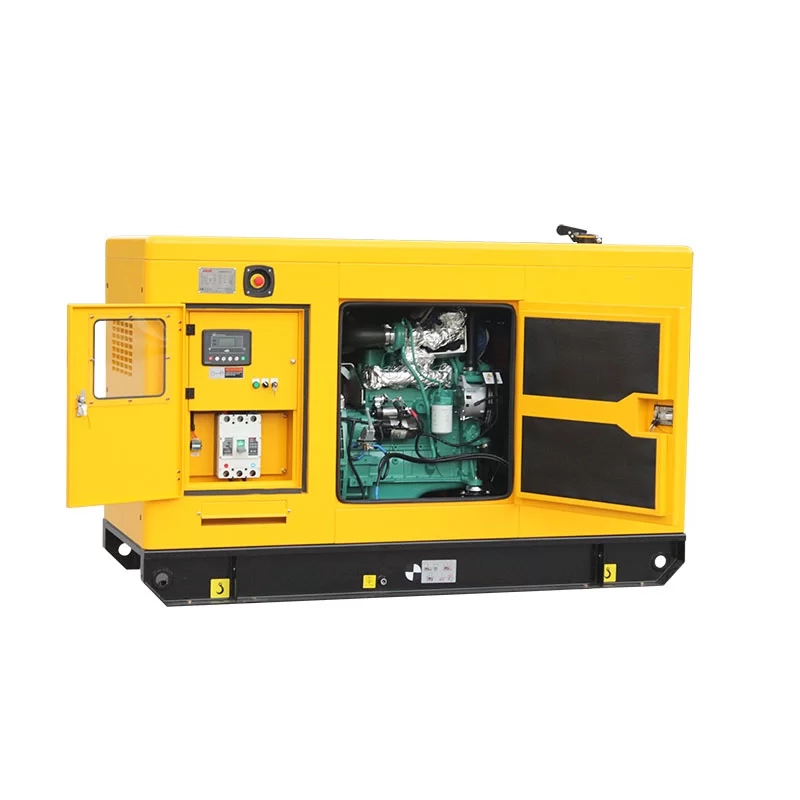
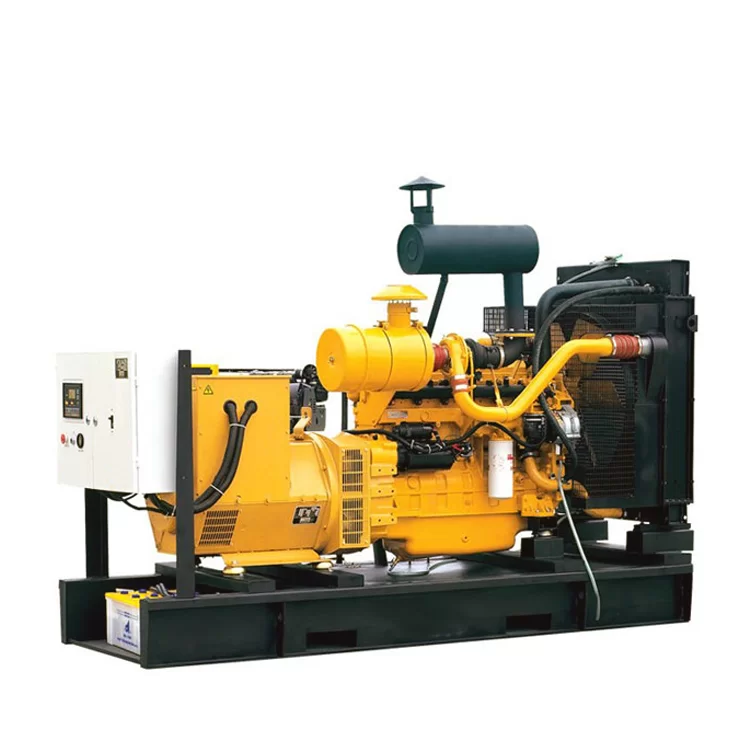
Generator structure and installation are equally important for industrial facilities. Open-frame generators offer cost-effective solutions for controlled environments but require adequate ventilation and safety measures. Soundproof generators reduce operational noise, which is particularly important in industrial sites located near offices or residential areas. Containerized generators provide additional protection from environmental factors such as dust, moisture, and extreme temperatures, ensuring reliable operation in outdoor or harsh industrial conditions. Proper structural design not only enhances generator safety but also extends equipment life and reduces maintenance requirements.
Modern industrial generators are equipped with advanced control and monitoring systems that optimize performance and reliability. These systems track key parameters such as voltage, frequency, engine temperature, and fuel consumption in real-time. Automated control allows for efficient load distribution, seamless start-up and shutdown, and predictive maintenance scheduling. Remote monitoring capabilities enable facility managers to oversee generator operation from anywhere, quickly addressing potential issues before they impact production. By integrating intelligent control systems, industrial facilities can ensure uninterrupted power supply while minimizing downtime and operational risk.
Maintenance and after-sales support are crucial for sustaining reliable power solutions. Industrial generators require periodic servicing to maintain performance, prevent breakdowns, and ensure long-term durability. Leading suppliers provide comprehensive support, including installation, commissioning, regular maintenance, emergency repairs, and spare parts availability. Access to professional service ensures that any technical issues are resolved promptly, minimizing the risk of unplanned downtime and protecting valuable industrial assets. Preventive maintenance not only prolongs generator life but also enhances fuel efficiency and reduces operational costs.
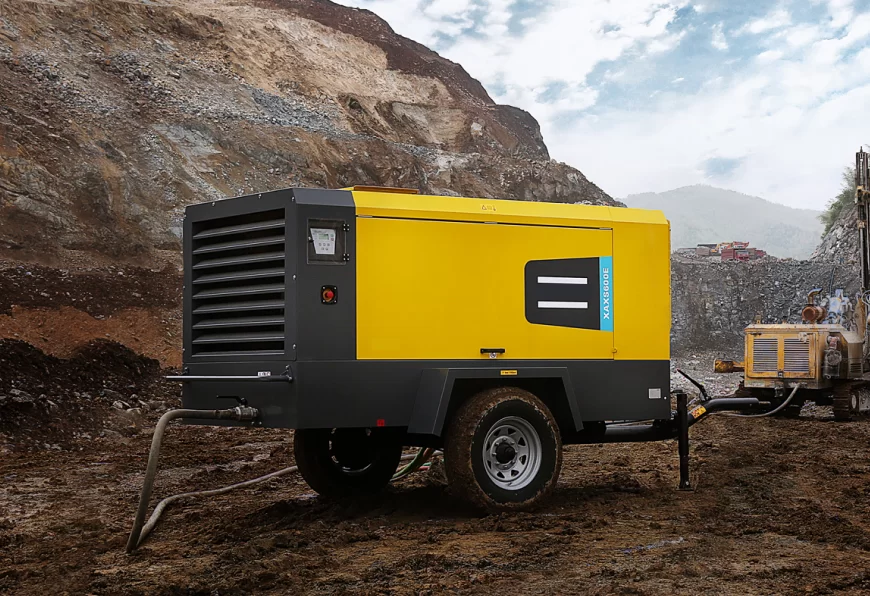
The applications of reliable generators in large industrial facilities are diverse and critical. Manufacturing plants use generators to power assembly lines, CNC machinery, and climate control systems. Chemical and processing facilities rely on generators to maintain pumps, mixers, and processing equipment. Mining operations require high-capacity generators to operate heavy machinery, ventilation systems, and lighting in remote locations. Each application highlights the importance of dependable power supply for continuous industrial operations, safety, and efficiency.
Environmental and economic considerations further enhance the value of reliable generators. Natural gas generators offer a cleaner, more sustainable option that reduces greenhouse gas emissions and aligns with corporate environmental policies. Diesel generators, while traditionally less environmentally friendly, remain highly efficient for heavy-duty applications and can be optimized with advanced emissions control technologies. Both options contribute to operational continuity, reduced fuel consumption, and long-term cost savings, making them essential for industrial facilities seeking both reliability and efficiency.
In conclusion, reliable power solutions for large industrial facilities are essential to maintain operational continuity, protect equipment, and ensure workplace safety. By utilizing high-quality generators, optimized by engine type, power range, and structural design, industrial facilities can achieve consistent energy supply, operational efficiency, and environmental compliance. Modern generators equipped with intelligent control systems, modular configurations, and robust housings provide flexibility, durability, and performance under the most demanding conditions. Investing in reliable generators is not only a safeguard against power interruptions but also a strategic decision that supports long-term growth, sustainability, and resilience for large industrial operations. In today’s competitive industrial landscape, dependable energy solutions are the foundation of operational success.