In today’s fast-paced industrial environment, reliable power supply is no longer just an option; it is a fundamental requirement for maintaining operational efficiency, meeting production targets, and ensuring the safety of personnel and equipment. Industrial facilities, ranging from manufacturing plants and processing units to large-scale warehouses and data centers, rely heavily on a continuous and stable power supply to support their day-to-day operations. Any unexpected interruption in power can lead to significant production losses, increased operational costs, and even compromise safety standards. This is where high-quality generators, especially natural gas generators, play a critical role in delivering reliable power solutions tailored to the needs of industrial facilities.
Industrial facilities face unique power challenges that are not typically encountered in residential or commercial settings. Heavy machinery, automated production lines, and temperature-sensitive equipment demand not only high power capacity but also a consistent power quality. Voltage fluctuations, frequency variations, and sudden power outages can disrupt production processes, damage sensitive equipment, and result in costly downtime. Therefore, industrial facilities require generator solutions that are not only robust and high-capacity but also flexible, efficient, and easy to maintain. By investing in reliable generators, facility managers can mitigate the risks associated with power interruptions and ensure a smooth and uninterrupted production process.
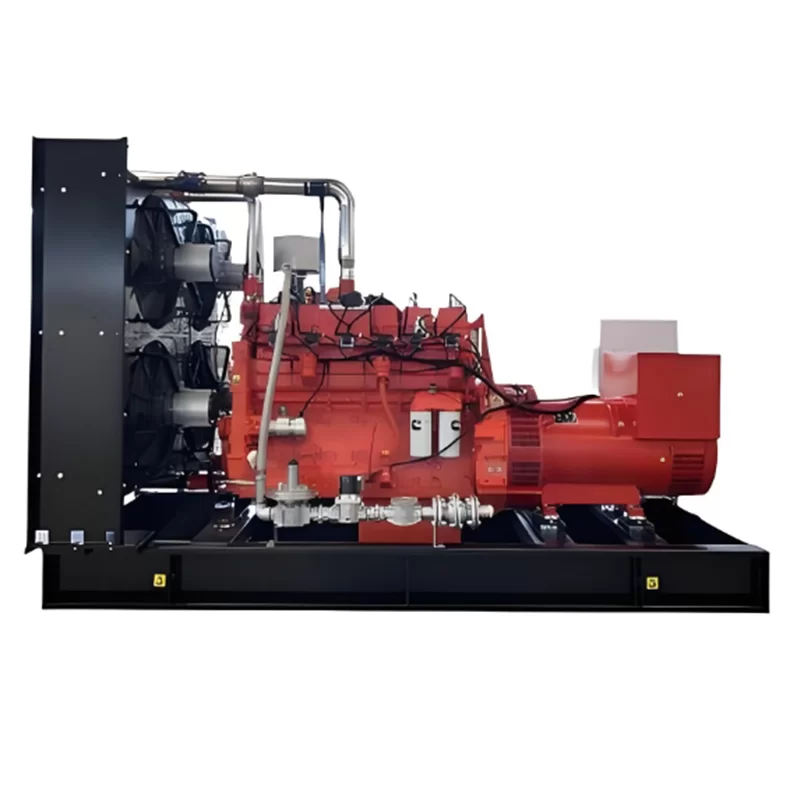
One of the most efficient and environmentally friendly options available today is the natural gas generator. Natural gas generators are known for their high efficiency, low emissions, and reduced environmental impact compared to traditional diesel generators. They operate on clean-burning natural gas, producing significantly lower levels of carbon monoxide, nitrogen oxides, and particulate matter. This makes them an ideal choice for industrial facilities that aim to comply with stringent environmental regulations and reduce their carbon footprint. Moreover, natural gas generators are quieter and require less maintenance than diesel-powered alternatives, making them suitable for both indoor and outdoor industrial applications.
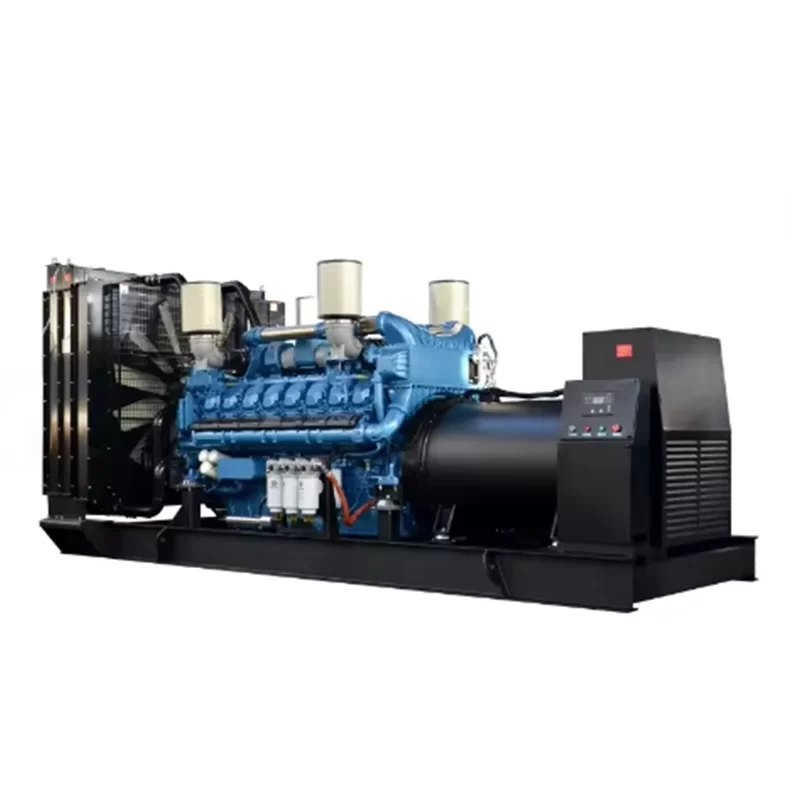
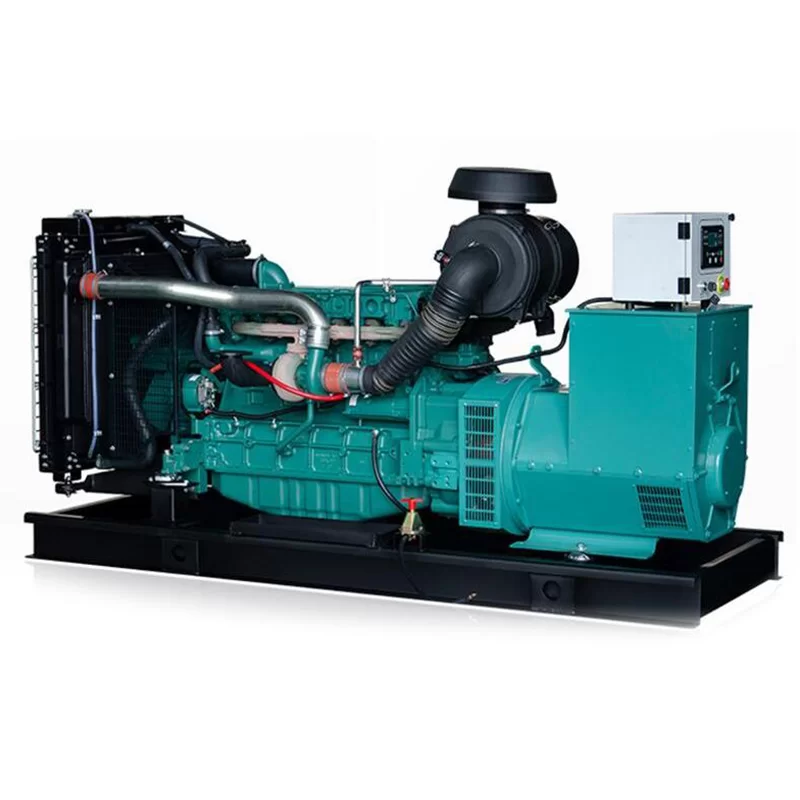
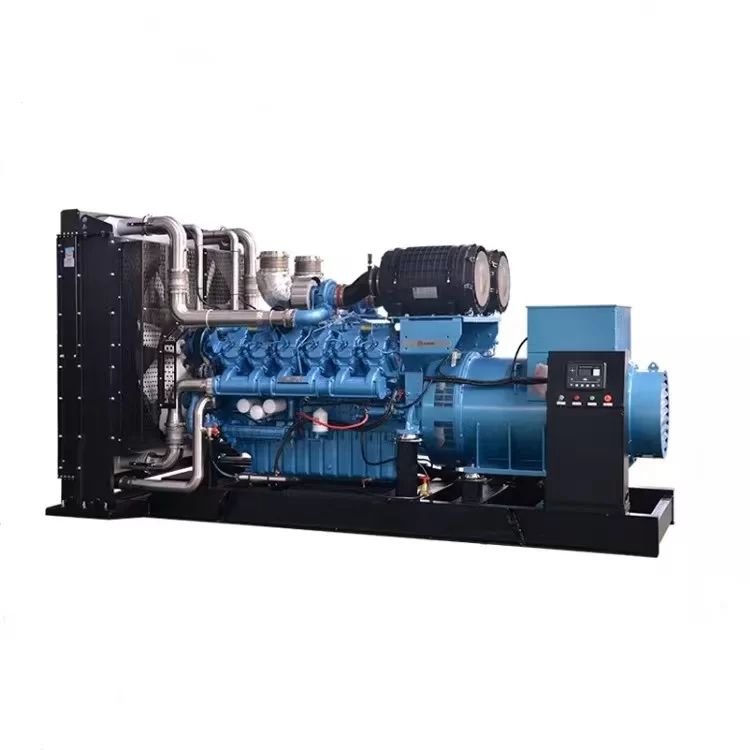
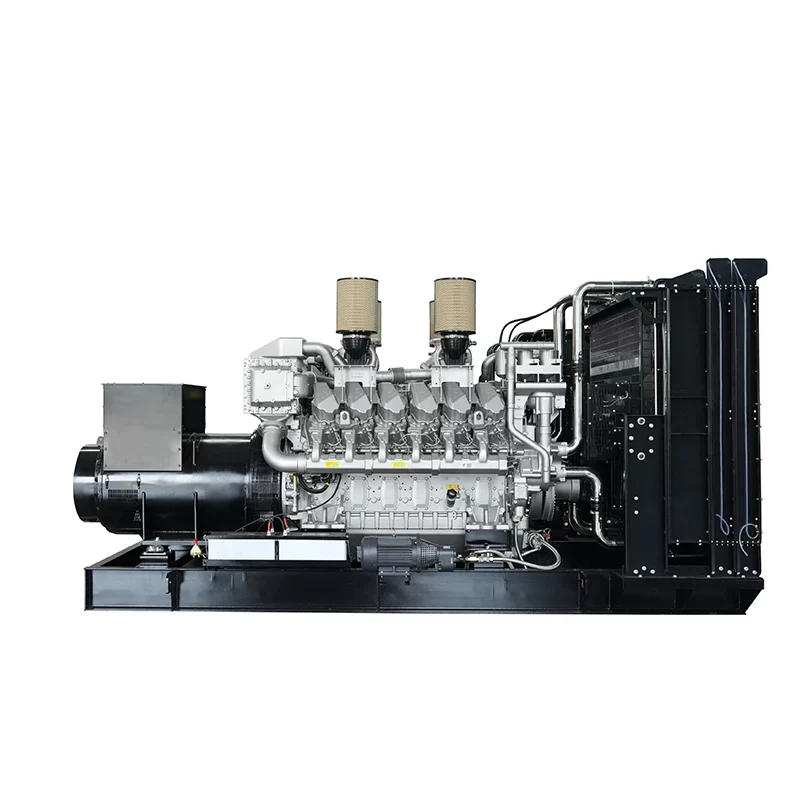
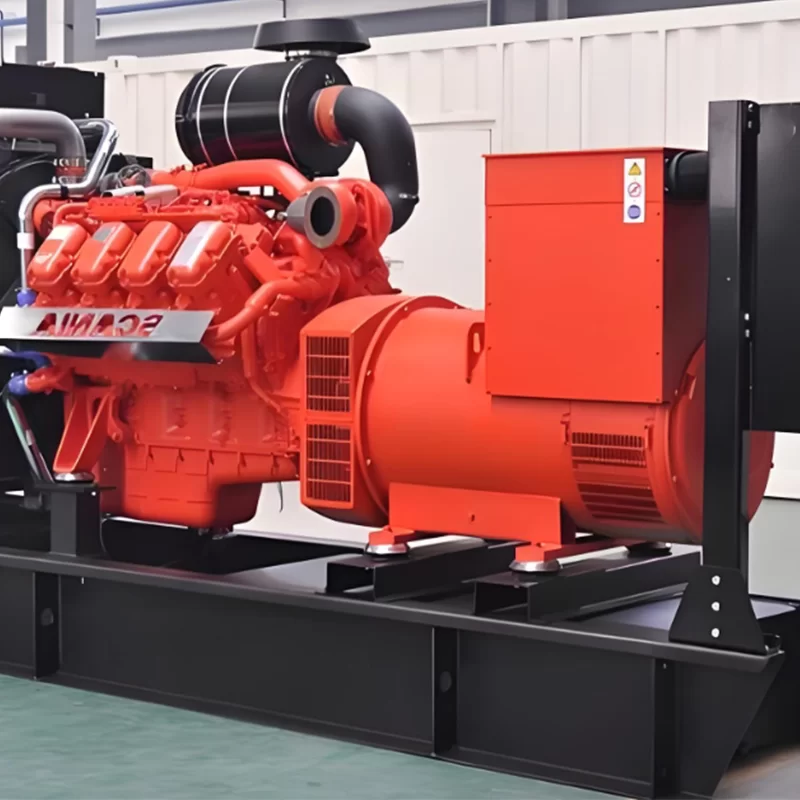
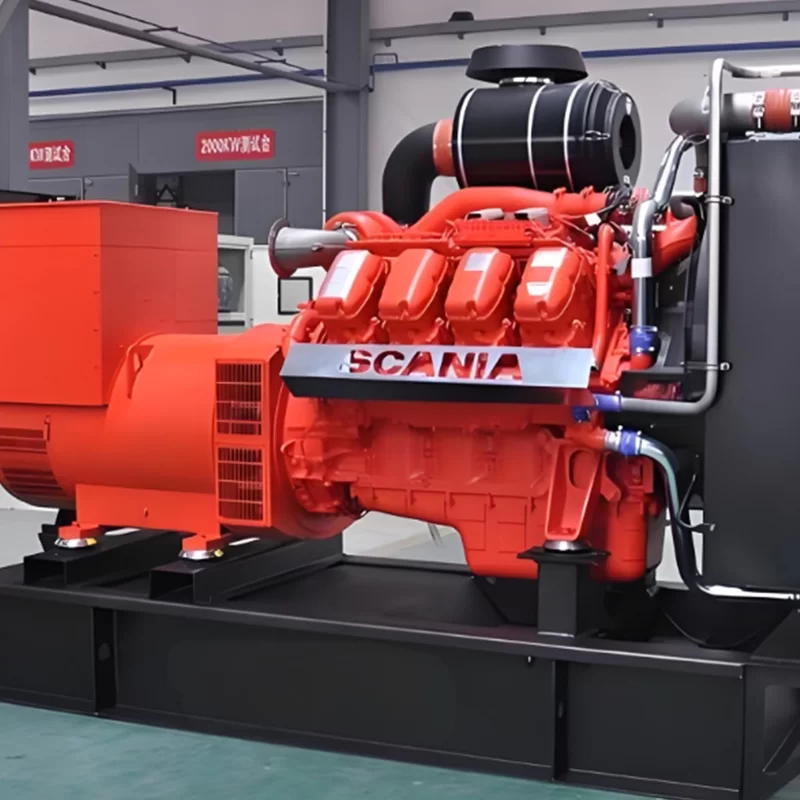
When selecting a generator for an industrial facility, one of the key considerations is the engine type and quality. Industrial generators are available in various configurations, including single-engine and multi-engine setups. High-quality engines, such as those produced by leading manufacturers like CUMMINS, Perkins, or MTU, offer enhanced durability, superior fuel efficiency, and long operational lifespans. Engine-specific generators allow facility managers to choose models that best match their load requirements, whether it is for continuous operation, peak shaving, or emergency backup. Additionally, modern generator engines are equipped with advanced control systems that monitor performance parameters, optimize fuel consumption, and provide real-time diagnostics for predictive maintenance.
Another important factor in industrial power solutions is the power range of the generator. Industrial facilities vary in size and operational complexity, which means their power demands can differ widely. Small-to-medium manufacturing plants may require generators with power outputs ranging from 50 kW to 500 kW, while large-scale facilities such as chemical plants or heavy machinery workshops might need generators capable of producing several megawatts of power. Choosing a generator with the appropriate power range ensures that the facility receives sufficient energy to support its operations without overloading the system or wasting resources. Moreover, many industrial generators are modular, allowing facilities to scale up or down according to changing power requirements.
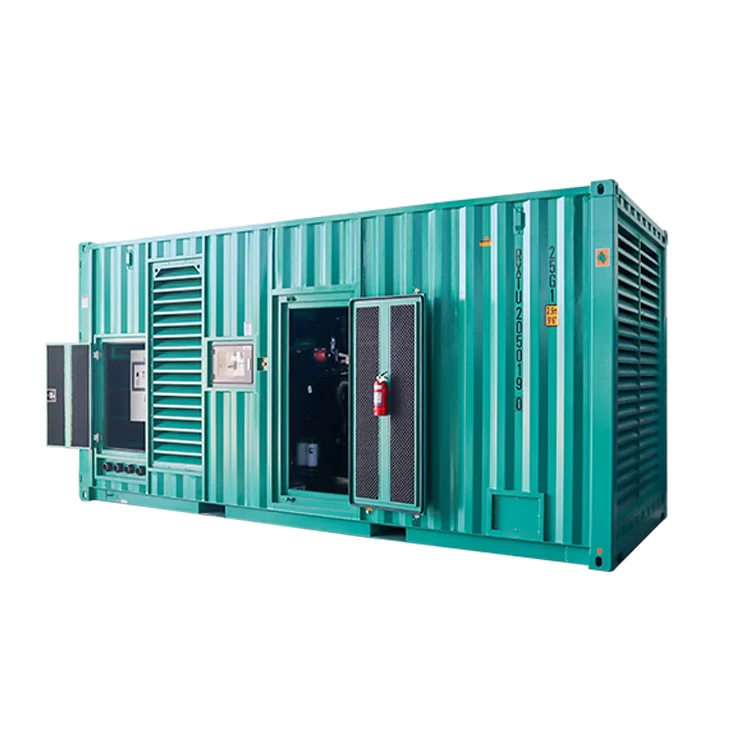
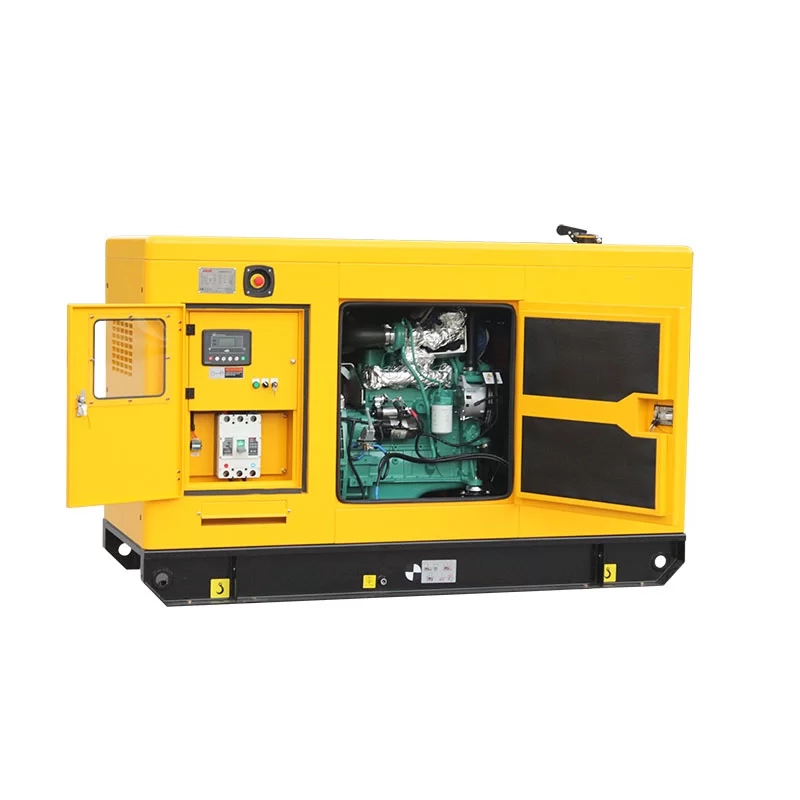
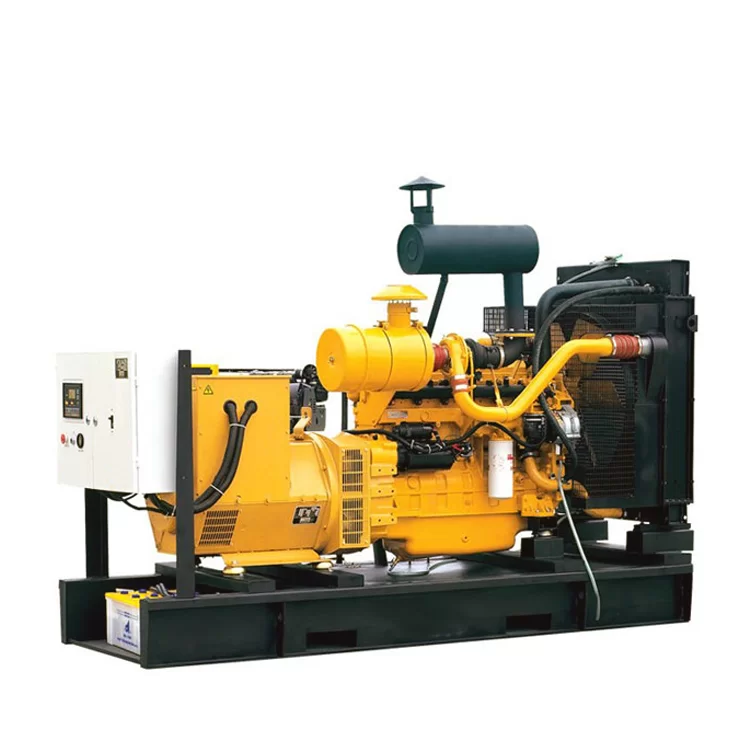
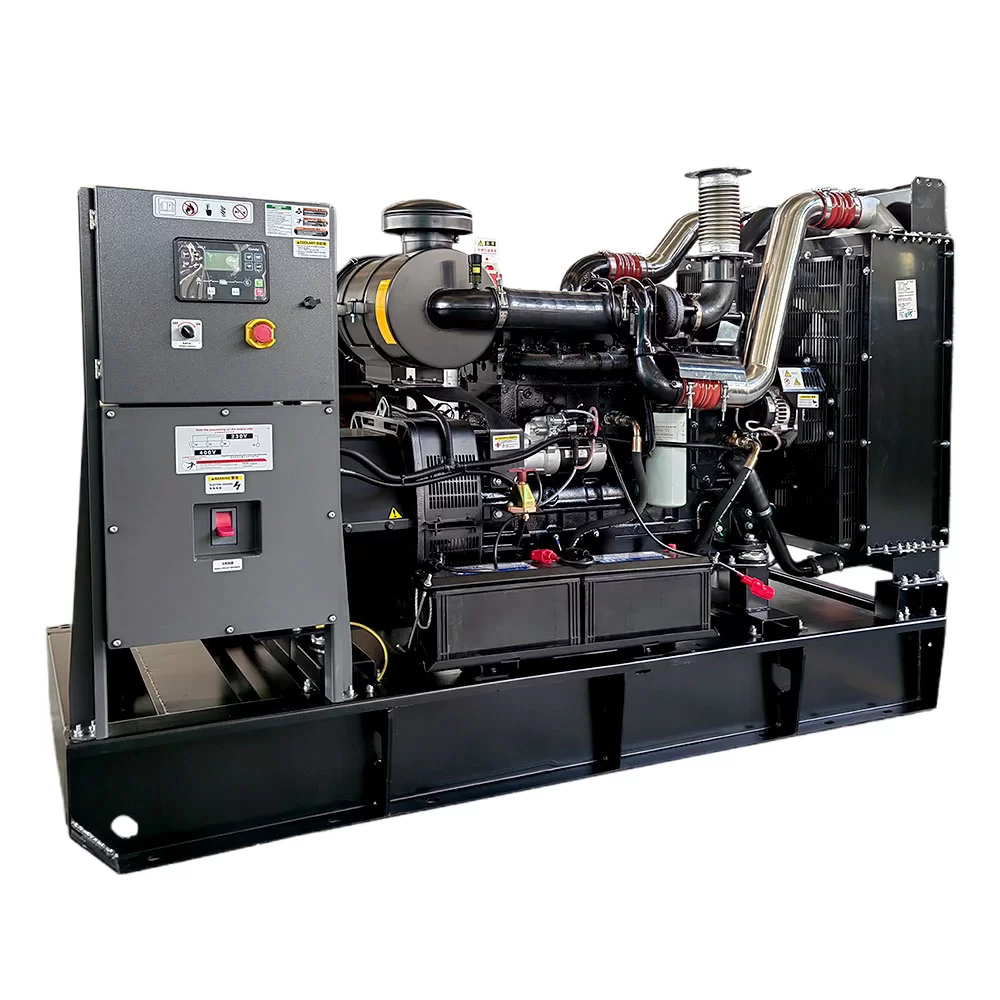
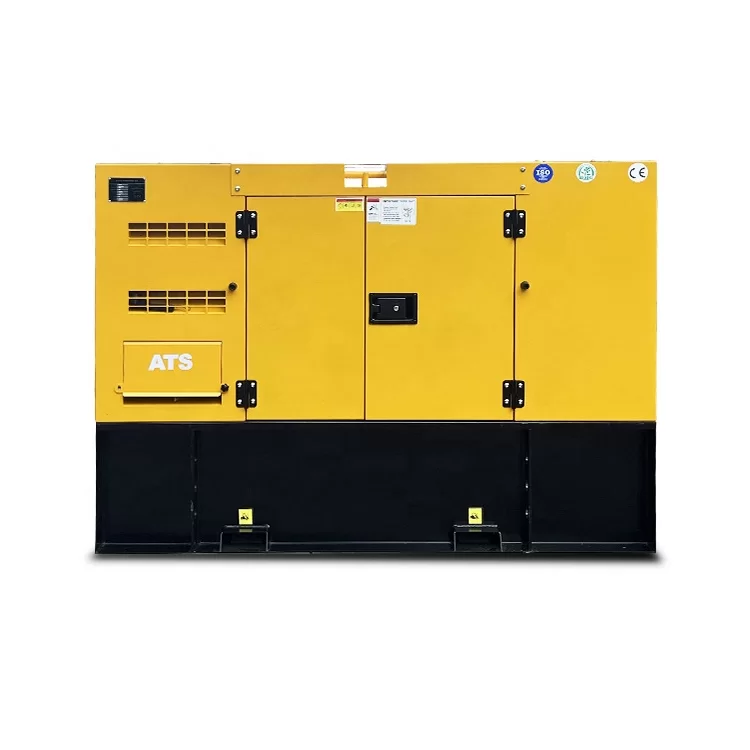
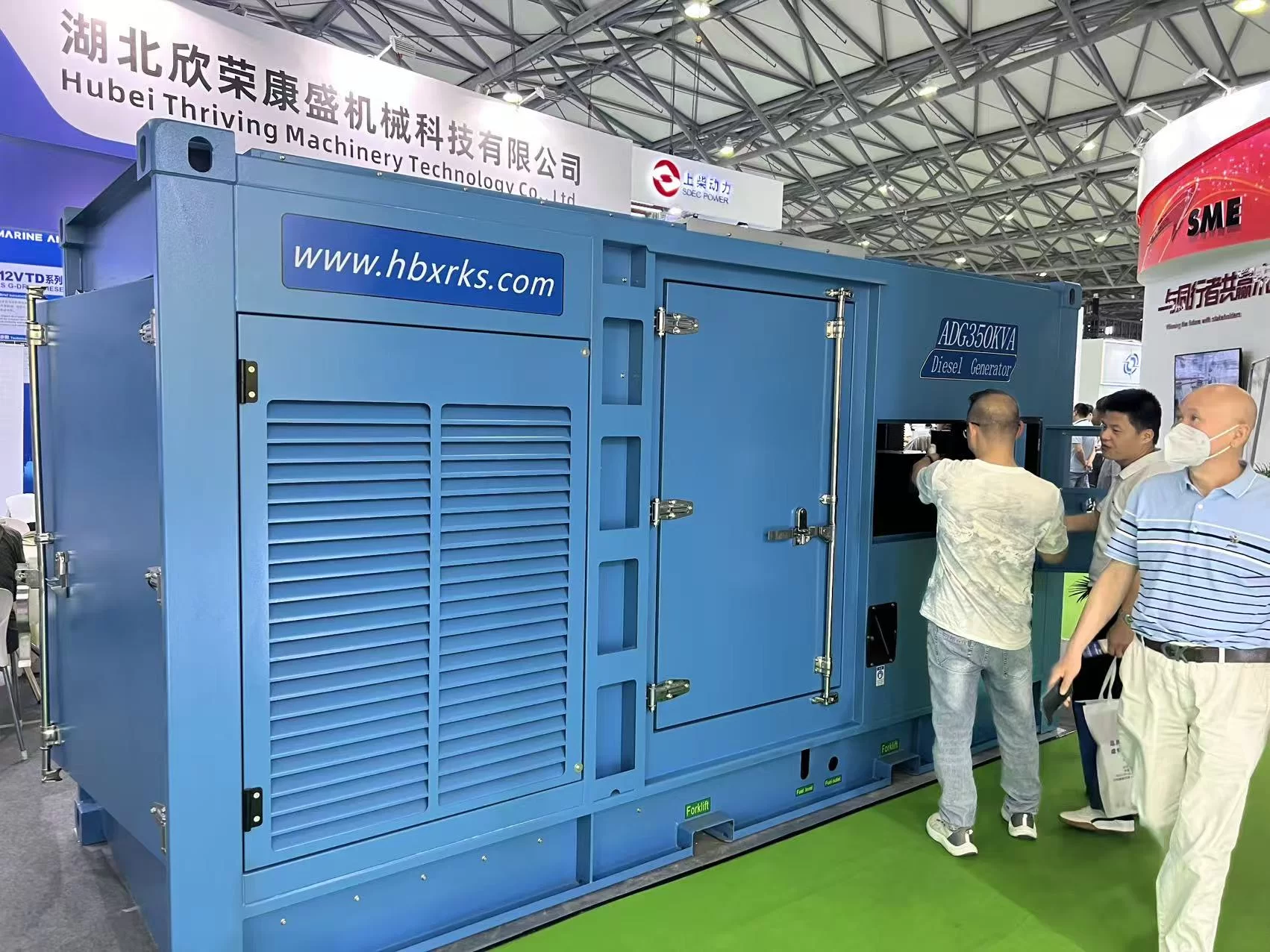
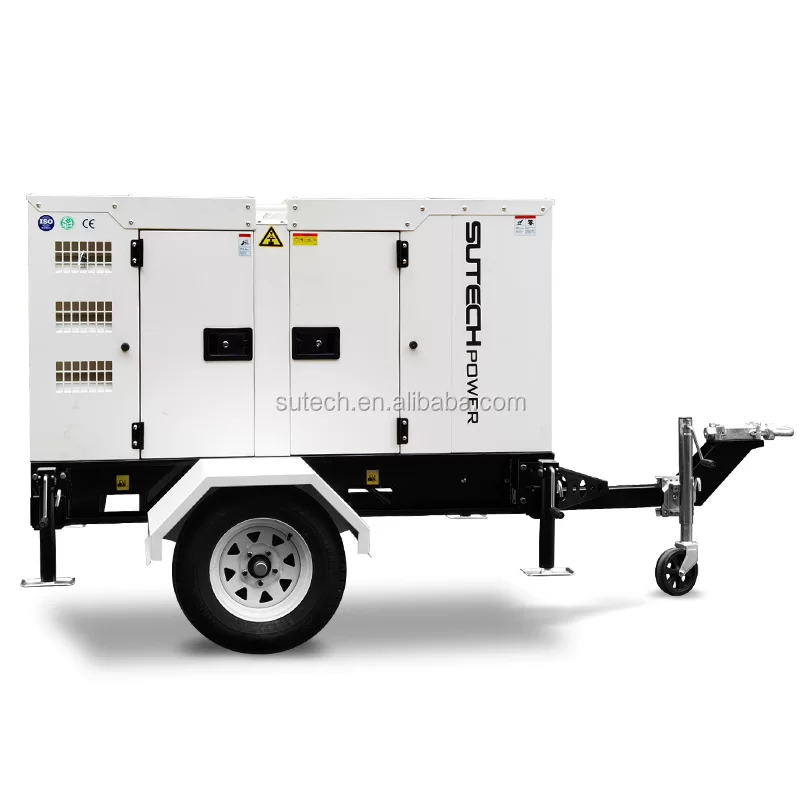
The structure and design of the generator are also critical considerations for industrial facilities. Generators come in various structural configurations, including open-frame, soundproof, and containerized designs. Open-frame generators are cost-effective and ideal for facilities with adequate ventilation and minimal noise restrictions. Soundproof generators reduce operational noise, making them suitable for facilities located near populated areas or within industrial complexes where noise pollution is a concern. Containerized generators offer enhanced protection against environmental factors such as dust, moisture, and temperature fluctuations, providing a durable solution for outdoor and harsh industrial conditions. Selecting the appropriate structure ensures optimal performance, safety, and longevity of the generator.
Industrial facilities also benefit greatly from advanced control and monitoring systems integrated into modern generators. These systems provide real-time data on parameters such as voltage, current, frequency, fuel consumption, and engine temperature. Intelligent control systems allow facility managers to automate startup and shutdown sequences, manage load sharing between multiple generators, and perform predictive maintenance to avoid unexpected failures. Remote monitoring capabilities further enhance operational efficiency by enabling facility personnel to monitor and control generator performance from any location. By leveraging these technological advancements, industrial facilities can ensure uninterrupted power supply while minimizing maintenance costs and operational risks.
In addition to technological and structural considerations, reliability and service support are crucial aspects of industrial power solutions. Industrial generators are long-term investments, and their performance depends not only on the quality of the equipment but also on the availability of professional support and maintenance services. Reputable generator suppliers offer comprehensive after-sales services, including installation, commissioning, regular maintenance, emergency repairs, and spare parts supply. By partnering with experienced providers, industrial facilities can maximize generator uptime, extend equipment lifespan, and ensure that any technical issues are resolved promptly and efficiently.
The applications of reliable industrial generators extend across a wide range of industries. Manufacturing plants use generators to power production lines, CNC machines, and assembly robots. Data centers rely on generators to maintain continuous operations and prevent data loss during outages. Hospitals and pharmaceutical facilities use generators to support critical equipment, ensuring patient safety and uninterrupted healthcare services. Mining operations and construction sites utilize generators to power heavy machinery in remote locations. Each of these applications highlights the importance of tailored power solutions that combine efficiency, durability, and flexibility.
In conclusion, reliable power solutions for industrial facilities are essential for maintaining operational continuity, ensuring safety, and optimizing productivity. Natural gas generators offer a clean, efficient, and dependable option that meets the diverse power demands of modern industrial environments. By carefully considering engine quality, power range, structural design, control systems, and after-sales support, industrial facility managers can implement generator solutions that provide consistent, uninterrupted power while minimizing environmental impact and operational risks. Investing in high-quality industrial generators not only protects against unexpected power interruptions but also supports long-term business growth and operational excellence. In an era where uninterrupted power is a cornerstone of industrial success, reliable generators are more than just equipment—they are the foundation of industrial resilience.