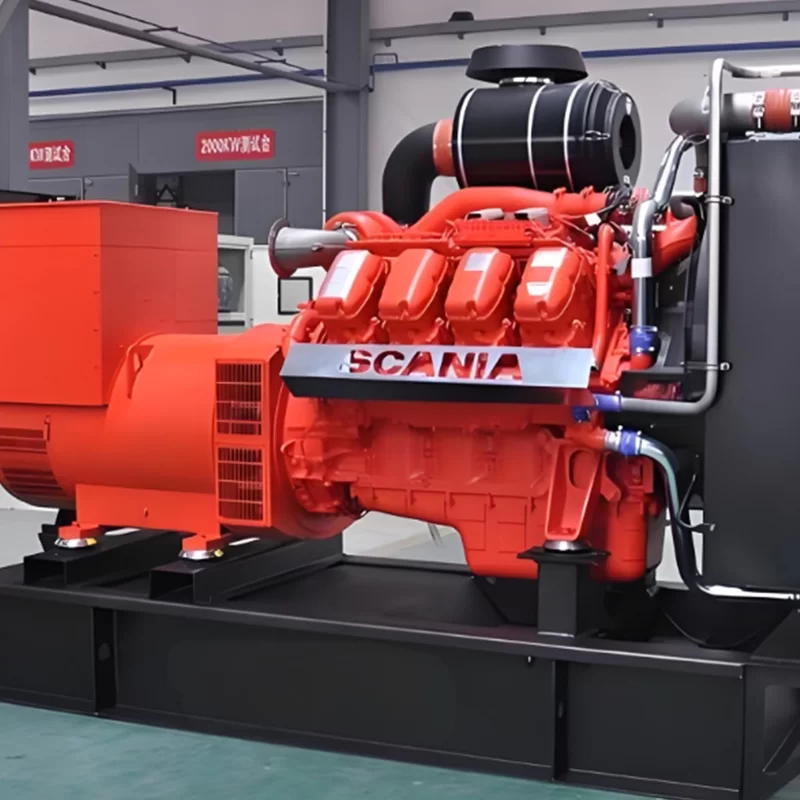
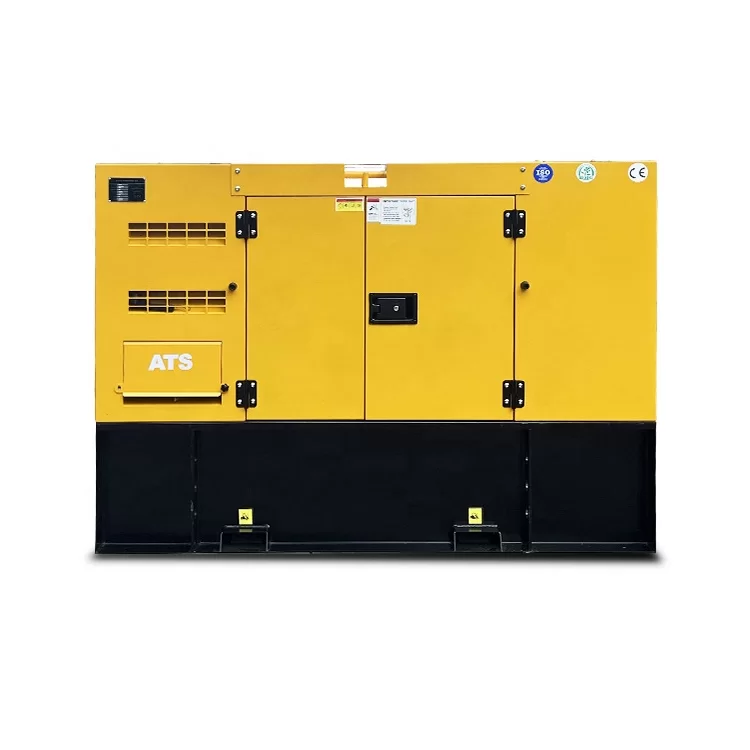
In today’s fast-paced and interconnected world, uninterrupted electricity is essential for commercial buildings, industrial complexes, and remote sites. Power disruptions can cause business losses, compromise safety, and disrupt critical operations. To address these challenges, sustainable backup power solutions are increasingly being implemented to provide reliable energy, reduce environmental impact, and ensure operational continuity. Among these solutions, natural gas and diesel generators play a key role, offering high efficiency, adaptability, and durability for commercial and off-grid applications.
Commercial facilities, such as office buildings, hospitals, shopping centers, hotels, and data centers, rely on consistent power to operate lighting, heating, ventilation, air conditioning, elevators, IT systems, and emergency equipment. Any power interruption can lead to operational downtime, compromised safety, and potential financial losses. Similarly, remote sites, including mining operations, construction projects, rural communities, and research stations, often operate without access to the main power grid, making reliable backup power essential for continuous operation. In both scenarios, generators provide a dependable energy source capable of sustaining critical loads during grid outages or in off-grid environments.
Natural gas generators have become a preferred choice for sustainable backup power due to their efficiency and low environmental impact. These generators produce cleaner emissions than traditional diesel units, reducing carbon monoxide, nitrogen oxides, and particulate matter. Cleaner combustion is particularly important for urban commercial areas and environmentally sensitive locations. In addition, natural gas generators can operate quietly, require less frequent maintenance, and are compatible with pipeline fuel supply, reducing logistical challenges and storage risks. Diesel generators, known for their robustness and high power output, remain a reliable option for industrial-grade applications and remote sites where continuous heavy-load operation is required.
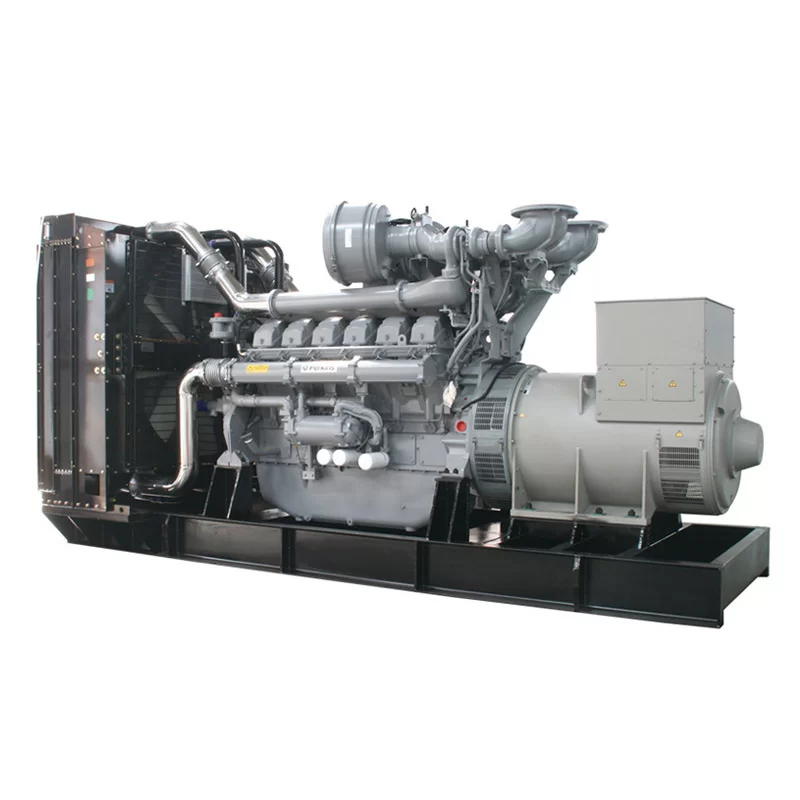
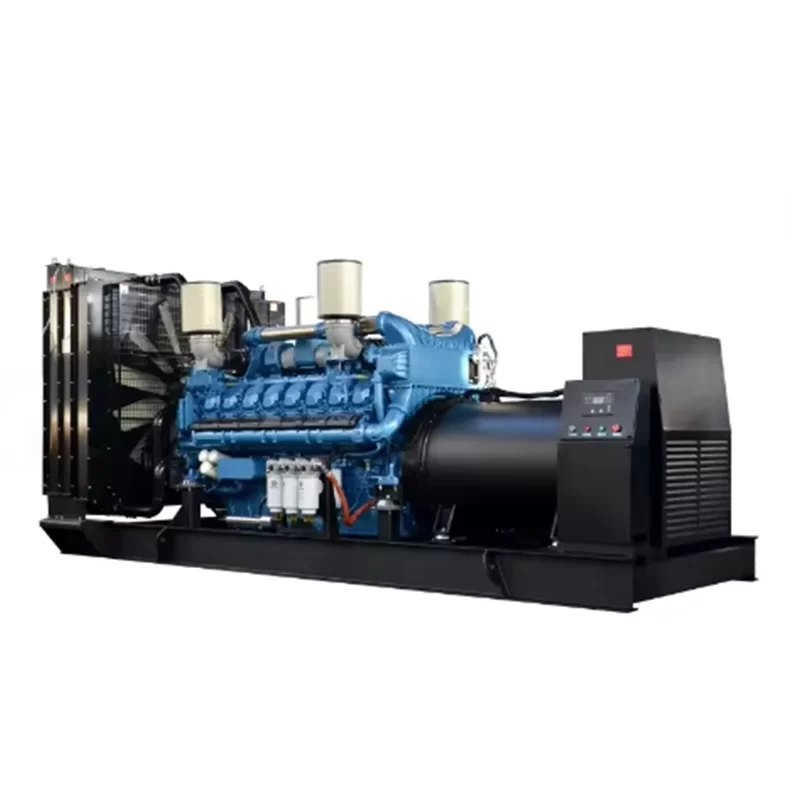
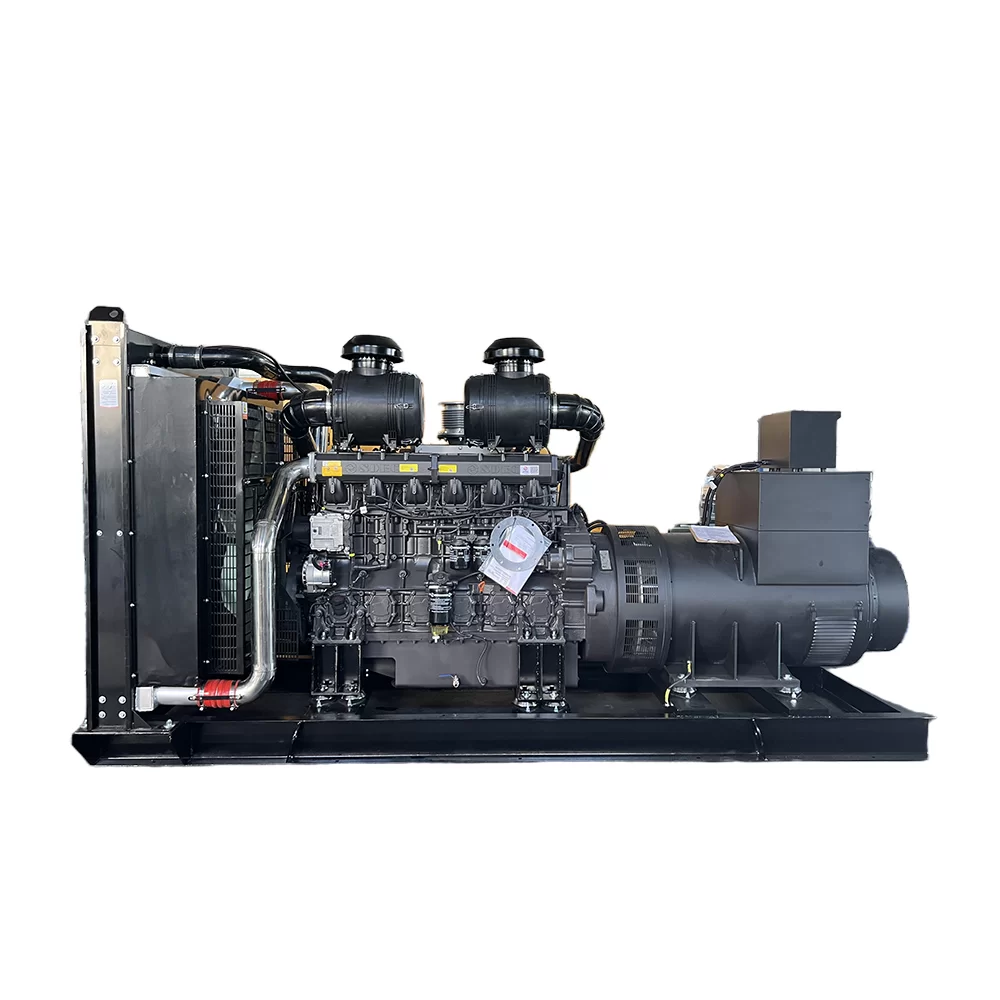
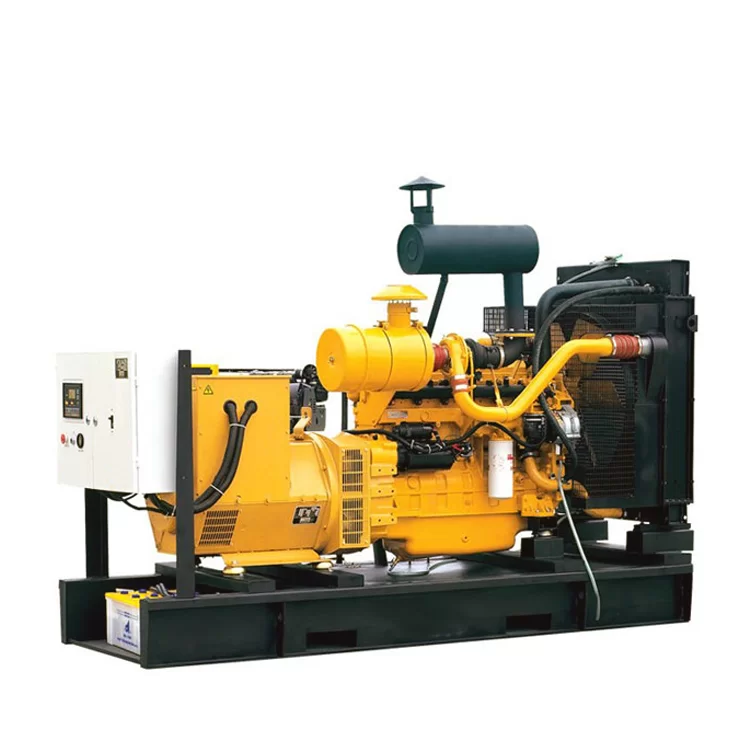
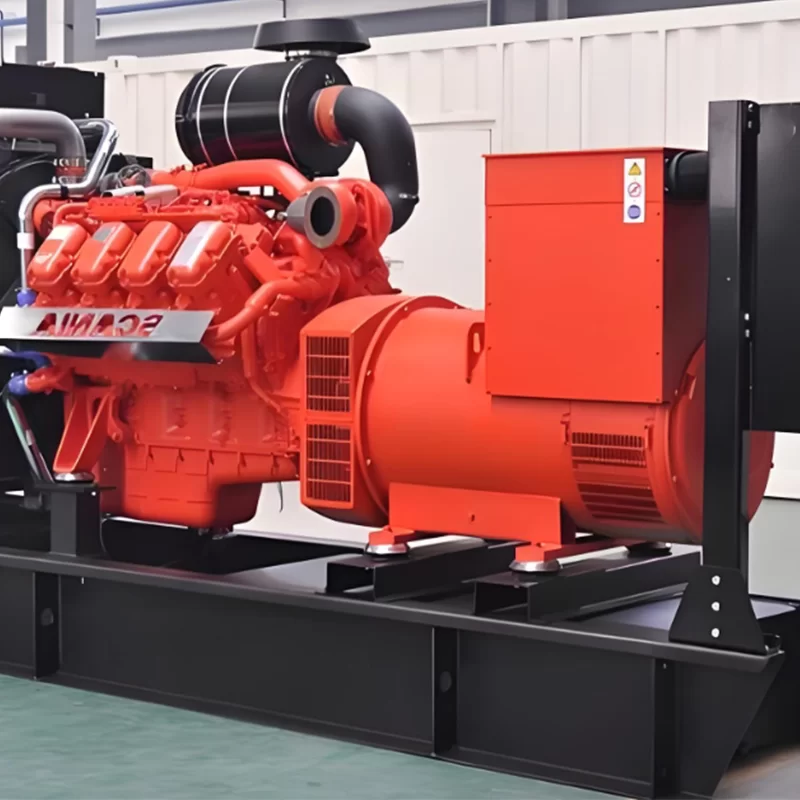
Engine-specific generator designs further enhance efficiency and reliability. By selecting generators optimized for the specific engine type, facility managers can match operational requirements with fuel efficiency, load handling, and maintenance schedules. High-quality engines from manufacturers like CUMMINS, Perkins, or MTU provide durability, consistent performance, and advanced control systems. These engines can handle variable loads, start-stop cycles, and extended operation hours without compromising performance, ensuring that commercial and remote facilities remain powered under all conditions.
Power range considerations are critical in sustainable backup solutions. Commercial buildings may require generators in the 50–500 kW range to support essential systems, while larger commercial complexes, hospitals, or industrial operations may need generators capable of producing multiple megawatts. Remote mining or construction sites may deploy modular systems combining several generators to meet high and variable energy demands. Selecting the appropriate generator size ensures efficiency, prevents overloading or underutilization, and reduces fuel consumption, ultimately lowering operational costs and environmental impact.
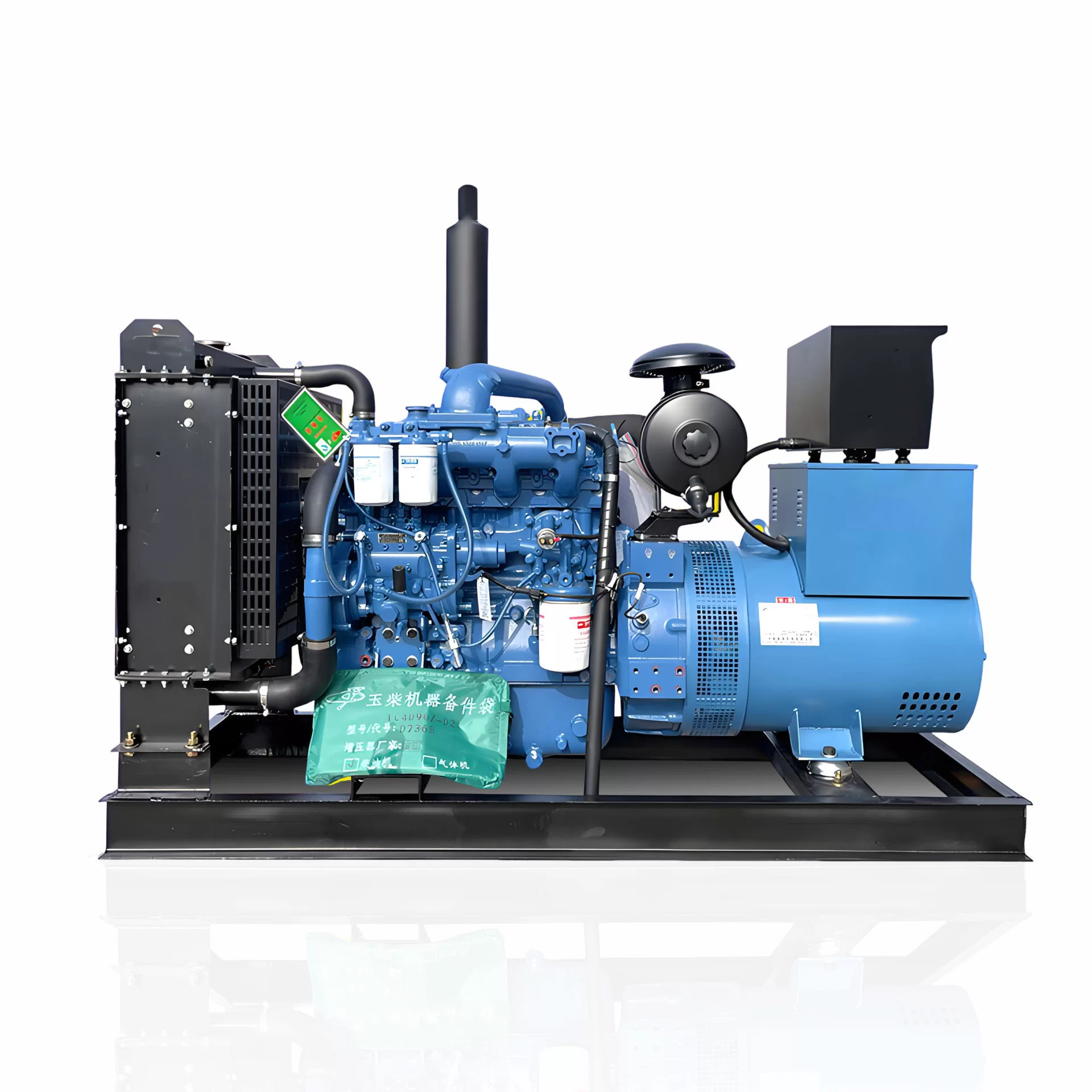
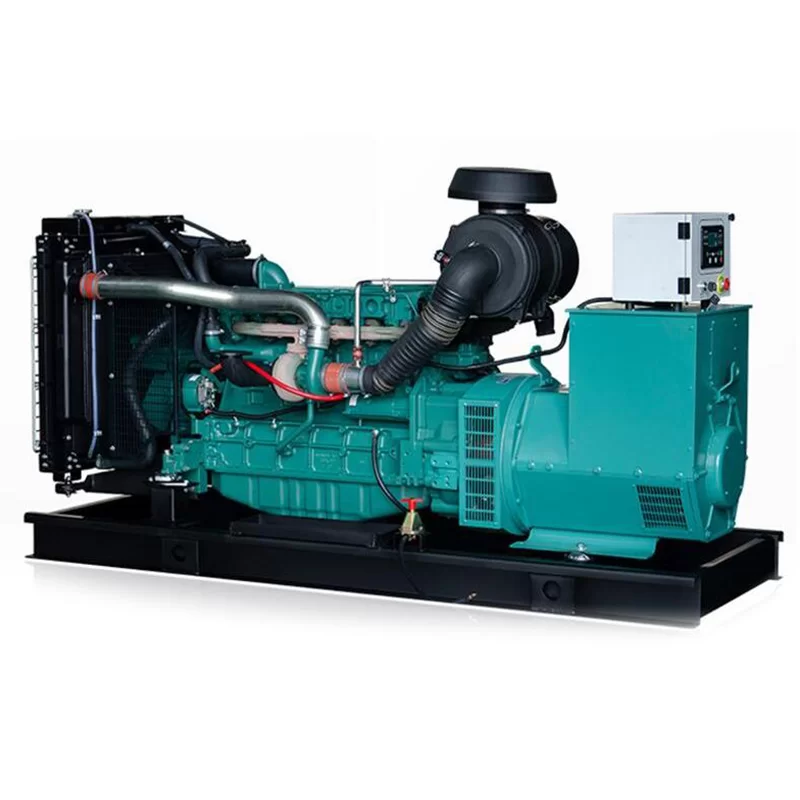
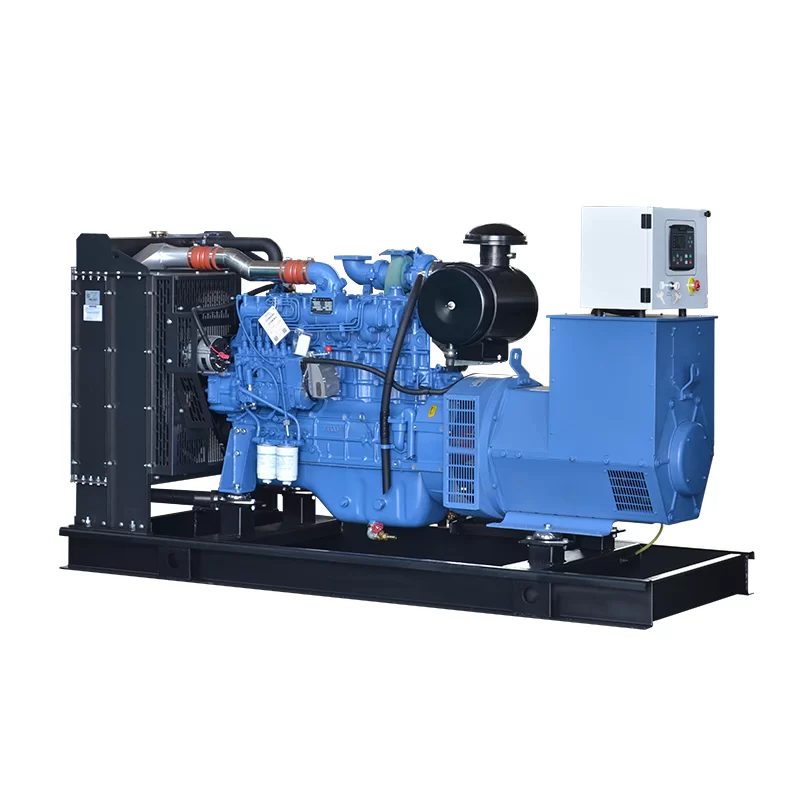
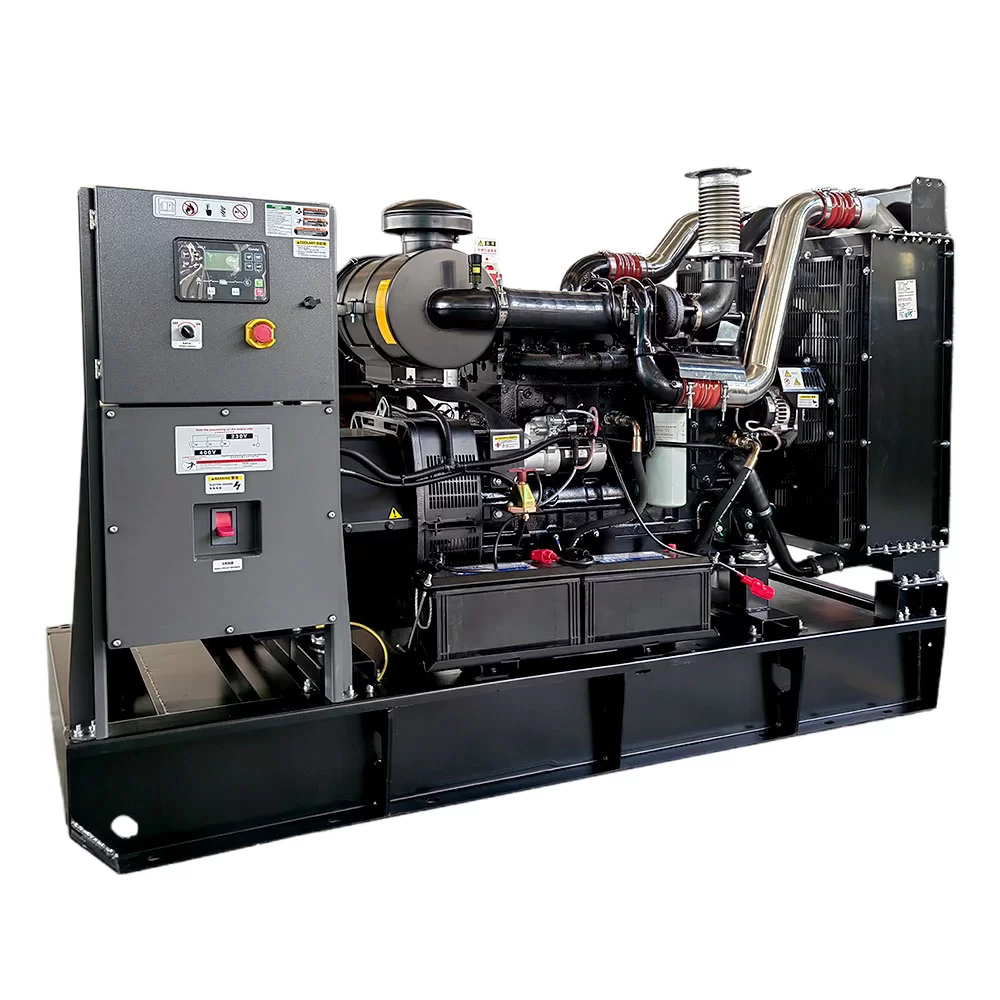
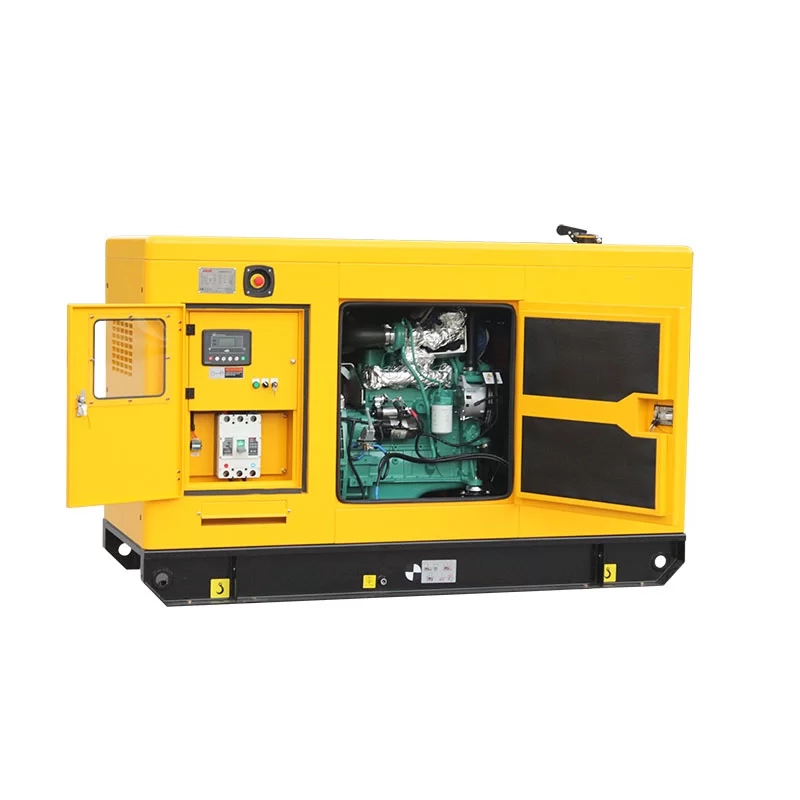
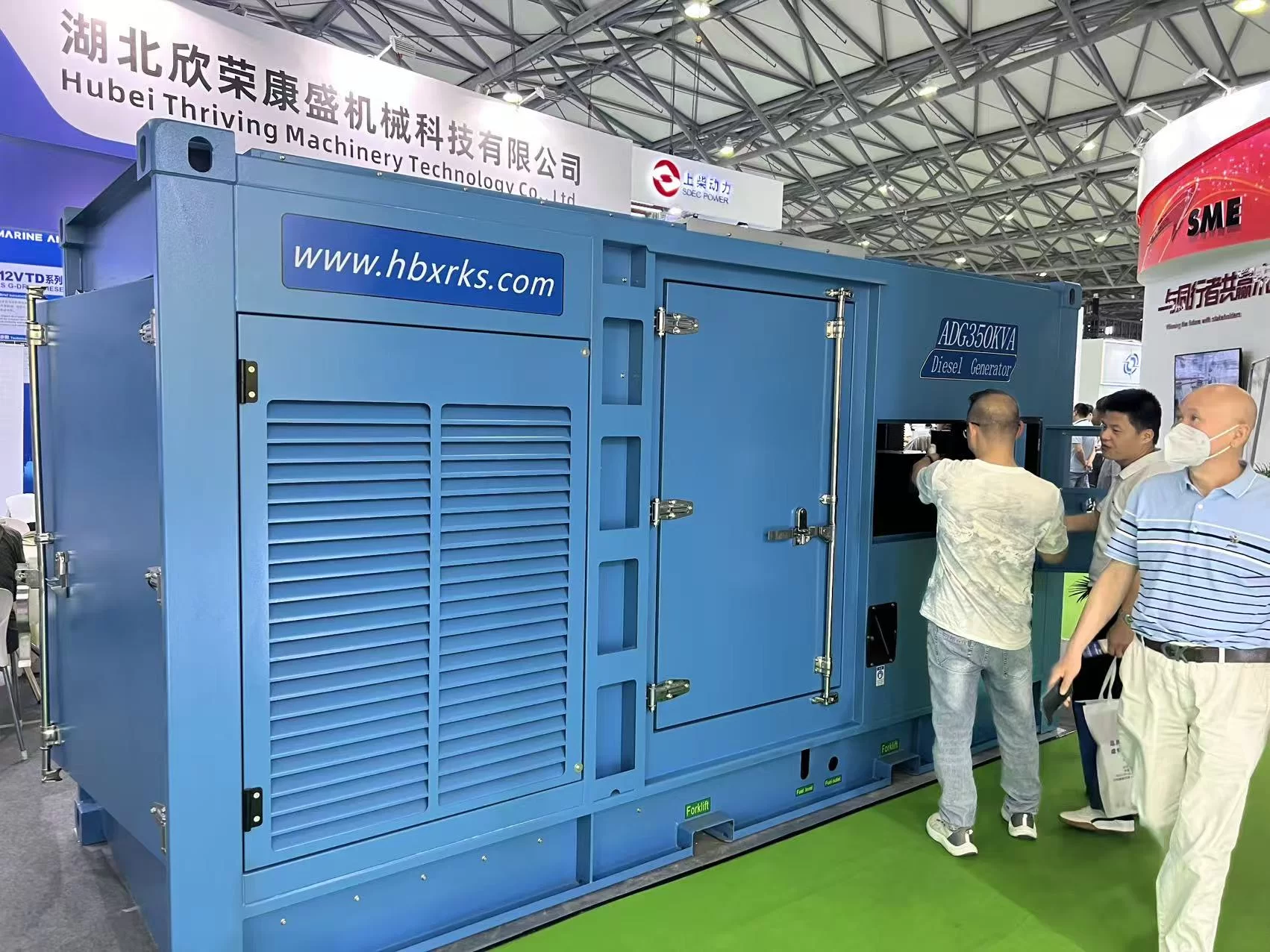
Generator structure and installation play an important role in safety, reliability, and environmental compliance. Open-frame generators are suitable for controlled environments where ventilation and protection are adequate. Soundproof units minimize noise disruption in urban areas or facilities near residential zones. Containerized generators provide robust protection against dust, moisture, temperature extremes, and other environmental hazards, making them ideal for outdoor or remote installations. Proper installation ensures that generators operate safely, efficiently, and in compliance with local safety standards.
Modern backup generators incorporate advanced control and monitoring systems, which optimize operation, improve fuel efficiency, and enhance reliability. Automated systems manage load distribution, monitor engine performance, and detect potential issues in real time. Remote monitoring allows facility managers to track multiple generators from a centralized location, ensuring uninterrupted operation and facilitating predictive maintenance. Intelligent control and monitoring systems are especially valuable for off-grid or remote sites, where technical personnel may not always be on-site.
Maintenance and after-sales support are vital for sustaining the performance of backup power systems. Generators must be regularly serviced to prevent downtime and ensure longevity. Reputable suppliers provide comprehensive support, including installation, commissioning, routine maintenance, emergency repairs, and spare parts supply. Preventive maintenance prolongs equipment life, ensures operational efficiency, and reduces the risk of unexpected failures. For remote locations, strategic planning for maintenance and fuel logistics is essential to guarantee continuous energy supply.
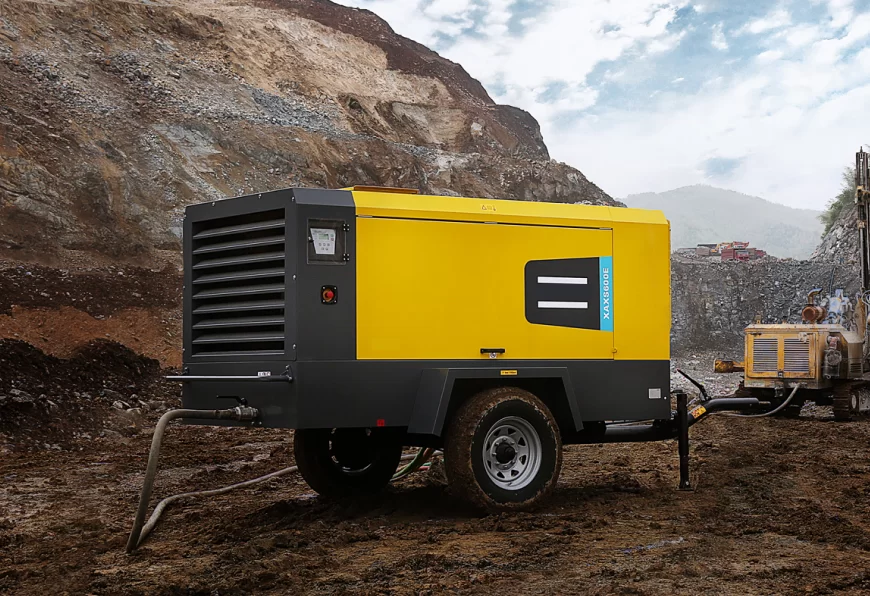
The applications of sustainable backup generators are diverse. Commercial facilities use generators to maintain operational continuity during power interruptions, ensuring that lighting, IT systems, elevators, and climate control systems remain functional. Hospitals and healthcare facilities rely on backup power to maintain life-saving equipment, refrigeration, and emergency lighting. Remote mining and construction sites utilize generators to power heavy machinery, lighting, and processing systems, while rural communities depend on generators for essential services such as water pumping, communications, and residential electricity. Each application underscores the importance of reliable, sustainable power in maintaining productivity, safety, and quality of life.
Environmental and economic benefits reinforce the value of sustainable backup generators. Natural gas generators contribute to lower greenhouse gas emissions and improved air quality, supporting environmental compliance and sustainability initiatives. Diesel generators, when equipped with modern emissions controls, can provide reliable high-capacity power while minimizing environmental impact. Efficient fuel consumption reduces operating costs, and modular or scalable systems allow facilities to invest incrementally as energy needs grow, offering both financial and operational flexibility.
In conclusion, sustainable backup power for commercial and remote sites is essential for operational continuity, safety, and environmental responsibility. By integrating natural gas and diesel generators optimized by engine type, power range, and structural design, facilities can achieve reliable, efficient, and environmentally responsible energy supply. Advanced monitoring and control systems, coupled with robust installation and maintenance practices, ensure consistent performance, reduce operational risks, and extend equipment lifespan. Whether in urban commercial complexes, hospitals, industrial operations, or remote off-grid locations, sustainable backup power solutions provide the resilience, efficiency, and adaptability required to meet today’s dynamic energy demands. Investing in high-quality generators is not merely a precaution—it is a strategic decision that supports business continuity, operational efficiency, and environmental stewardship for the long term.