Access to reliable and sustainable energy is a fundamental requirement for communities, businesses, and industrial operations in remote or off-grid areas. These locations, which may include rural villages, mining sites, construction projects, and scientific research stations, often lack connection to the main electricity grid. As a result, power interruptions, limited fuel access, and environmental challenges present significant obstacles to maintaining consistent energy supply. Efficient and sustainable power solutions, such as natural gas generators, have emerged as a crucial technology to address these challenges, providing reliable, clean, and cost-effective energy to off-grid regions.
Remote or off-grid areas pose unique power demands. Communities may need electricity for lighting, communication systems, refrigeration, water pumping, and essential services like healthcare and education. Industrial and commercial operations in remote locations require continuous power for machinery, processing equipment, and safety systems. Unlike urban environments, where electricity is readily available, off-grid areas often rely on self-sufficient power solutions. Any power disruption can hinder productivity, endanger lives, and impact daily life. Therefore, selecting an energy system that is both dependable and sustainable is critical for these settings.
Natural gas generators provide an ideal solution for off-grid and remote energy needs. Unlike diesel-powered systems, natural gas generators operate with cleaner combustion, producing significantly lower levels of harmful emissions such as nitrogen oxides, carbon monoxide, and particulate matter. This is particularly important in environmentally sensitive areas or communities that prioritize sustainability and air quality. In addition to environmental benefits, natural gas generators offer higher fuel efficiency, longer engine life, and reduced operational noise, making them suitable for both industrial applications and residential communities in isolated regions.
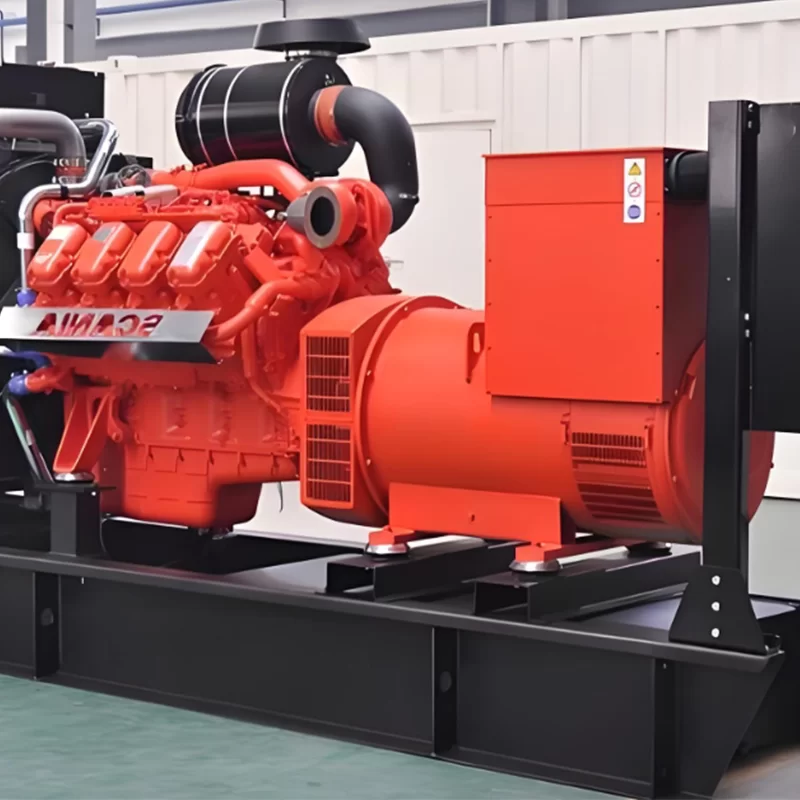
Engine selection plays a vital role in ensuring reliable performance in remote locations. Generator by engine type allows facility managers to choose high-quality engines from reputable manufacturers, such as CUMMINS, Perkins, or MTU, ensuring durability and efficiency even under harsh conditions. Engines in these generators are designed to handle variable loads, frequent starts and stops, and extended operating hours without compromising performance. Advanced engine designs also incorporate sophisticated monitoring systems that provide real-time diagnostics, fuel optimization, and predictive maintenance, which are essential for off-grid areas where access to technical support may be limited.
Another crucial factor in off-grid energy solutions is the power range of the generator. Remote sites vary in energy requirements, from small communities needing 50–200 kW to industrial mining operations requiring megawatt-scale power. Selecting a generator with the appropriate power output ensures that all critical systems receive sufficient electricity without overloading the equipment. Many modern generators offer modular designs, allowing facilities to scale capacity as energy demands grow, seasonal variations occur, or new operations are introduced. This flexibility makes them highly adaptable for evolving energy needs in remote locations.
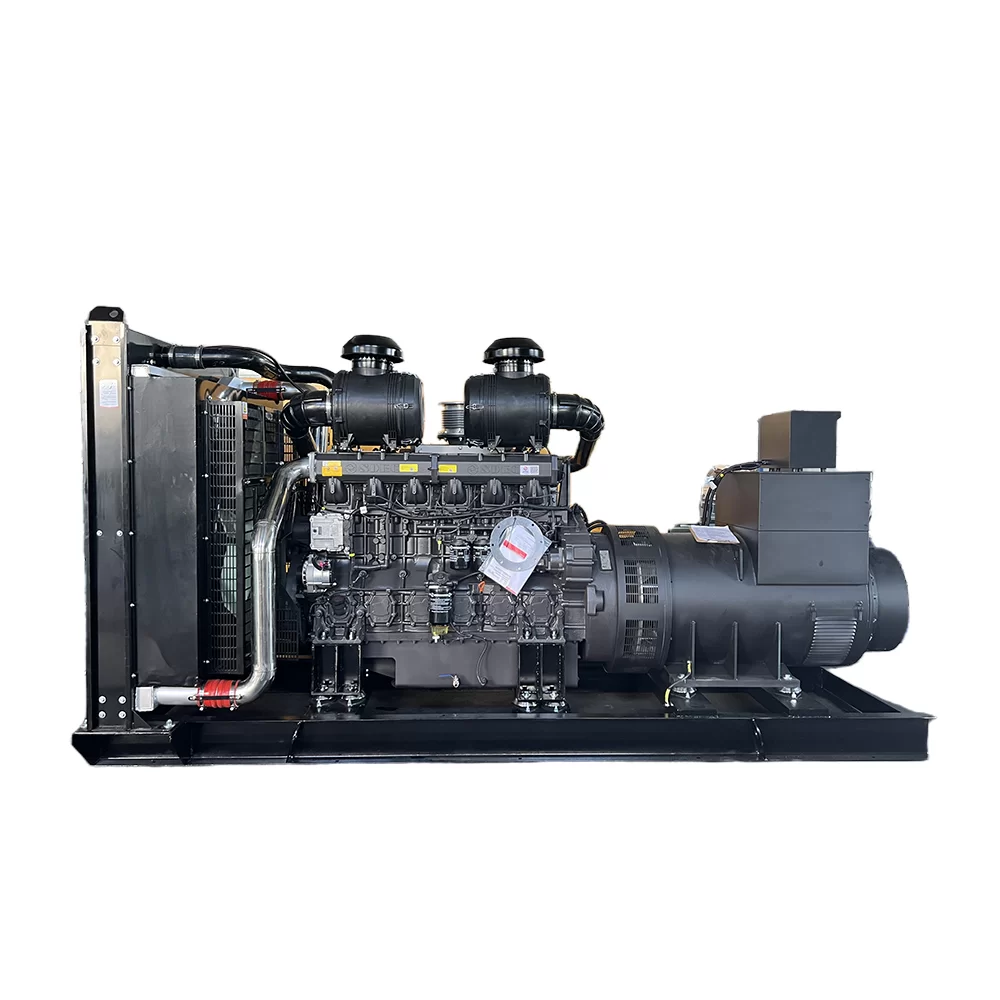
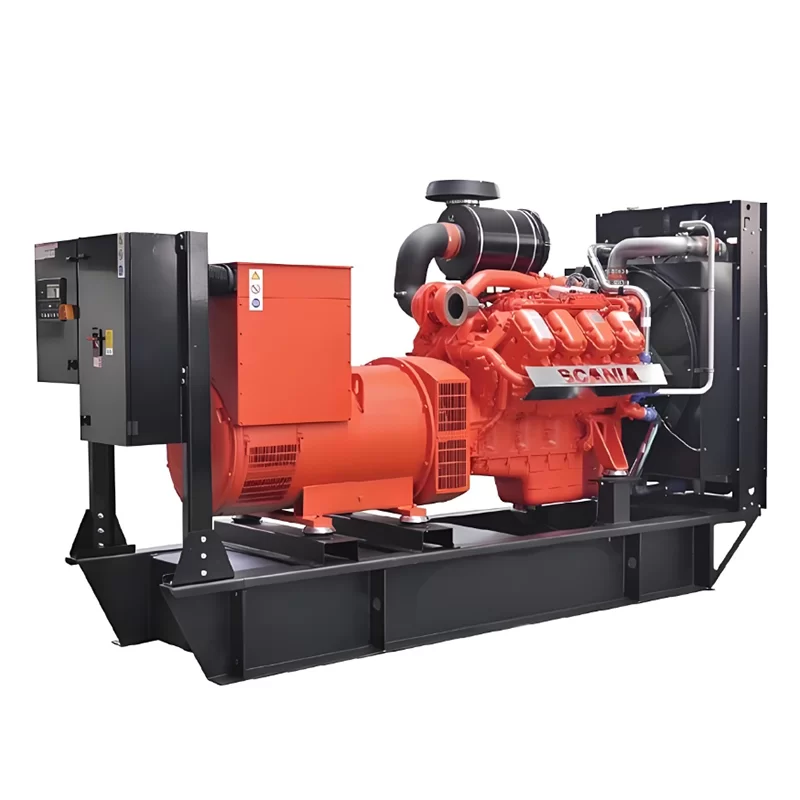
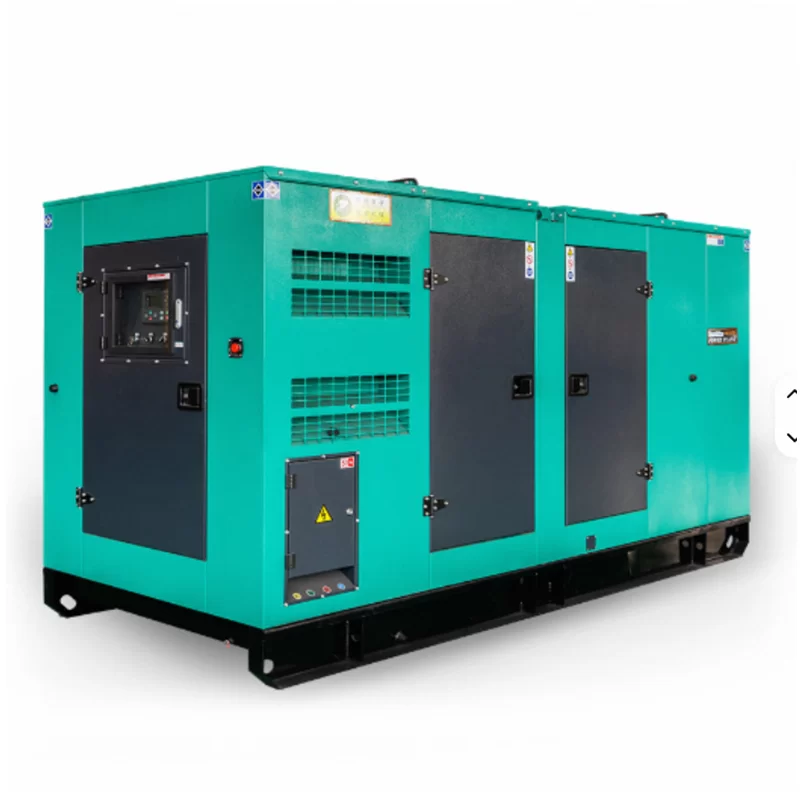
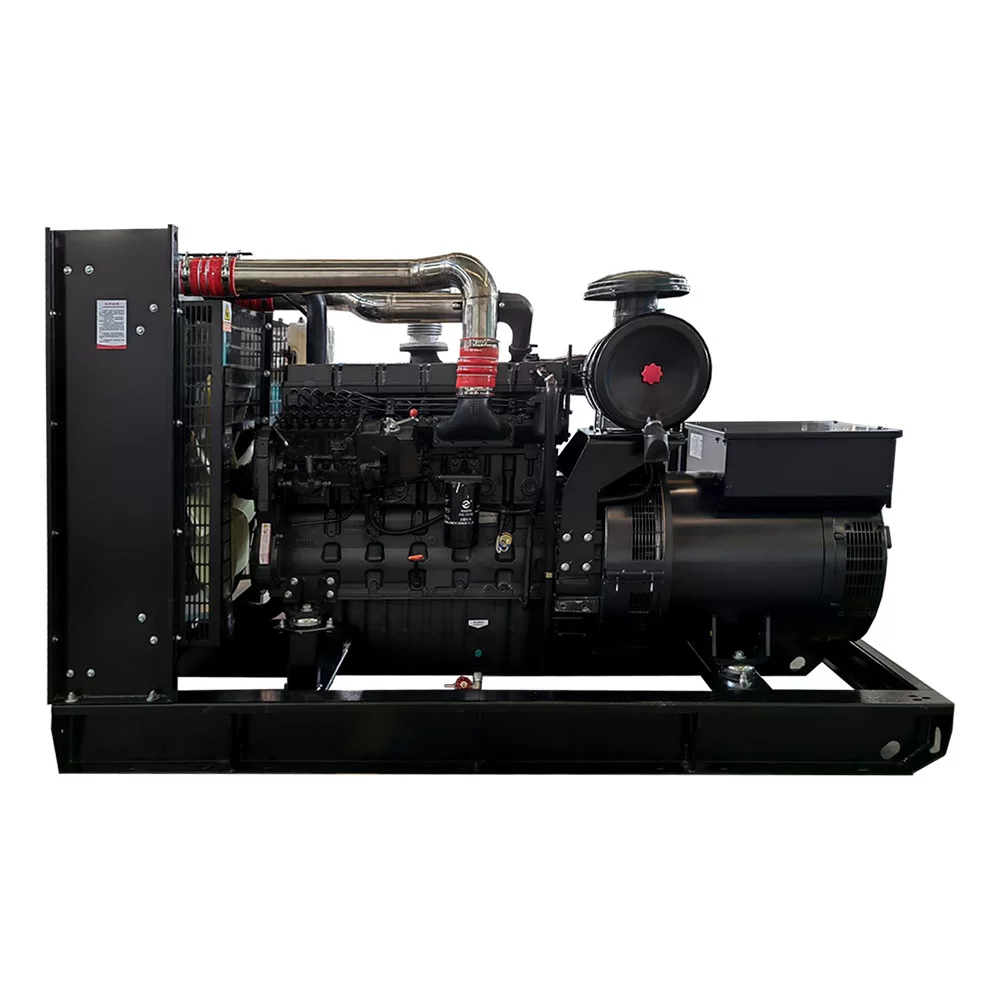
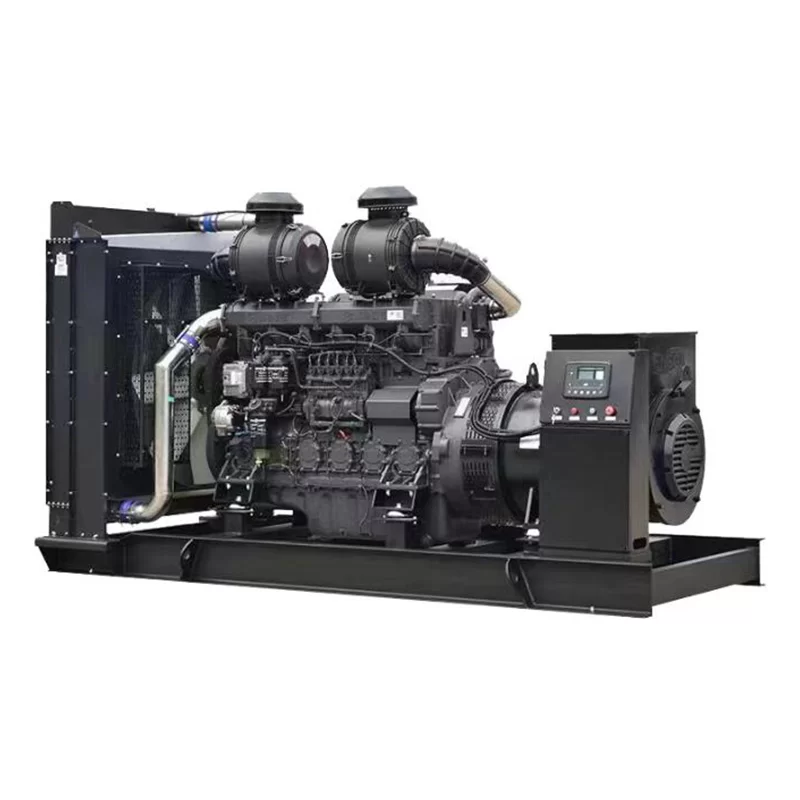
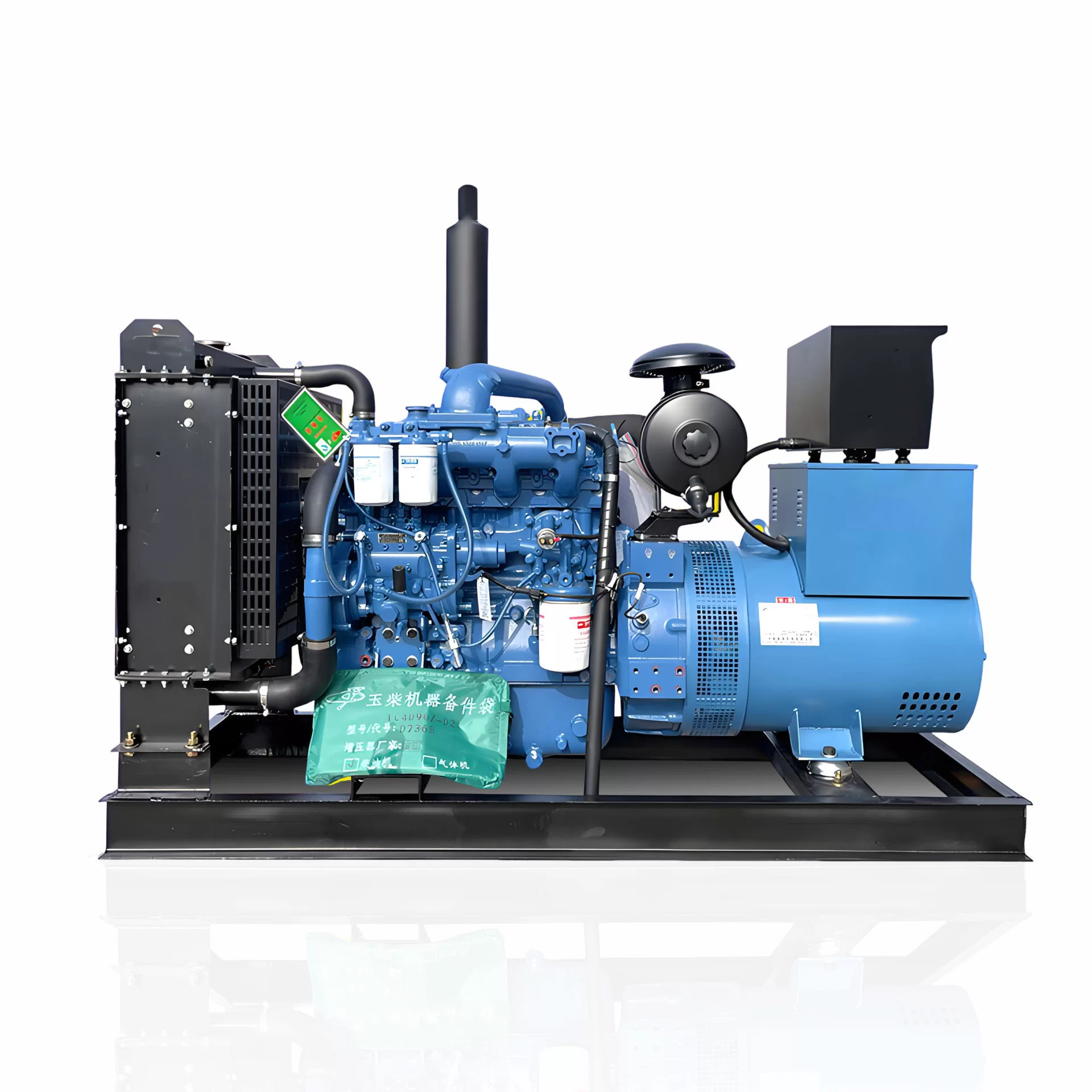
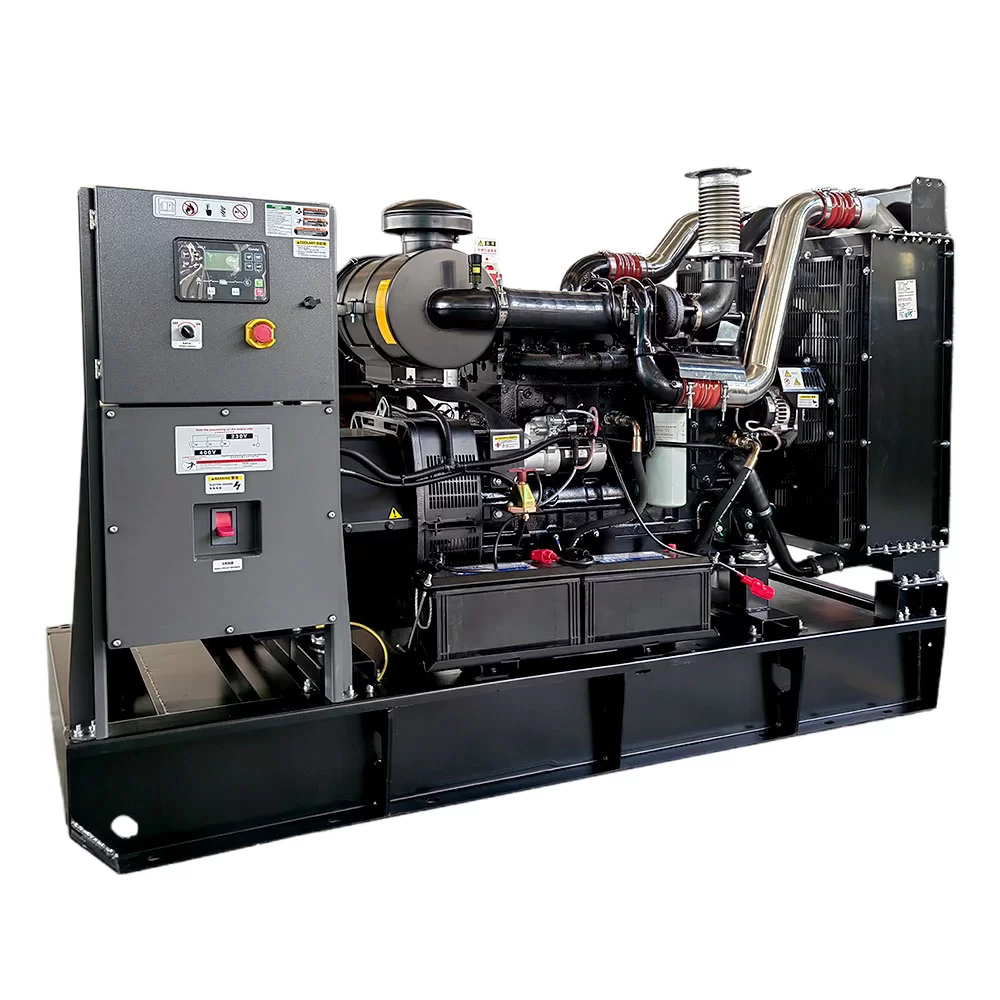
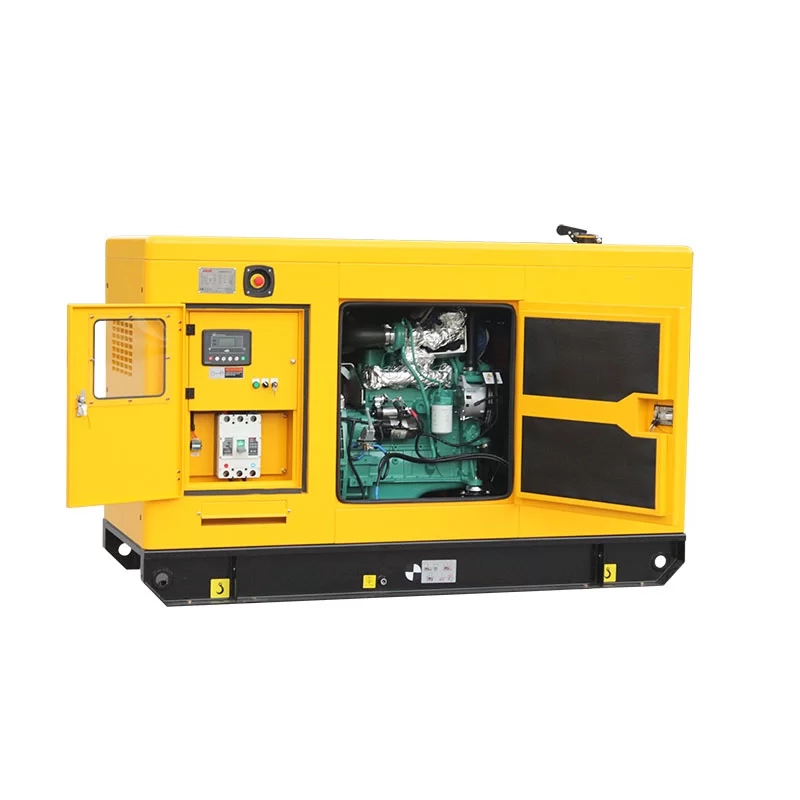
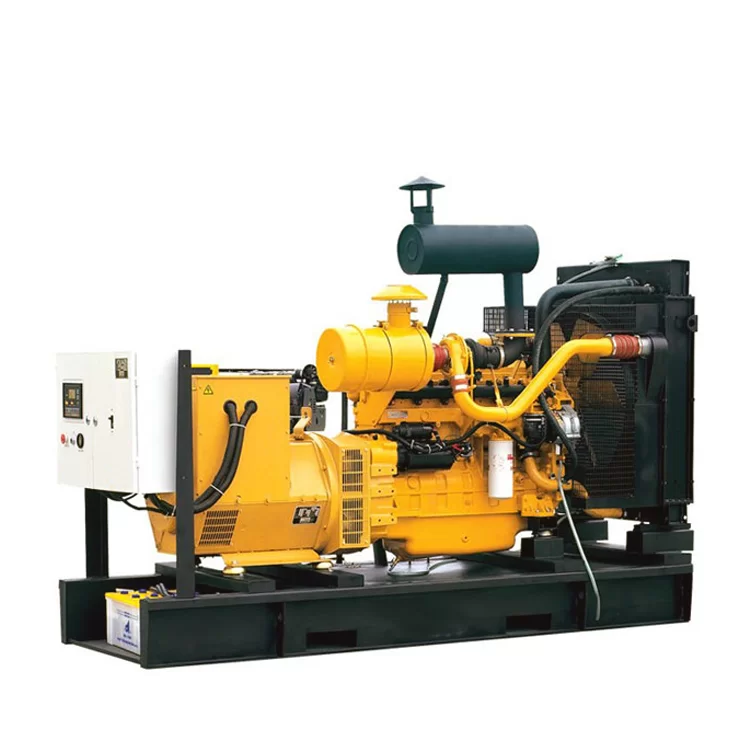
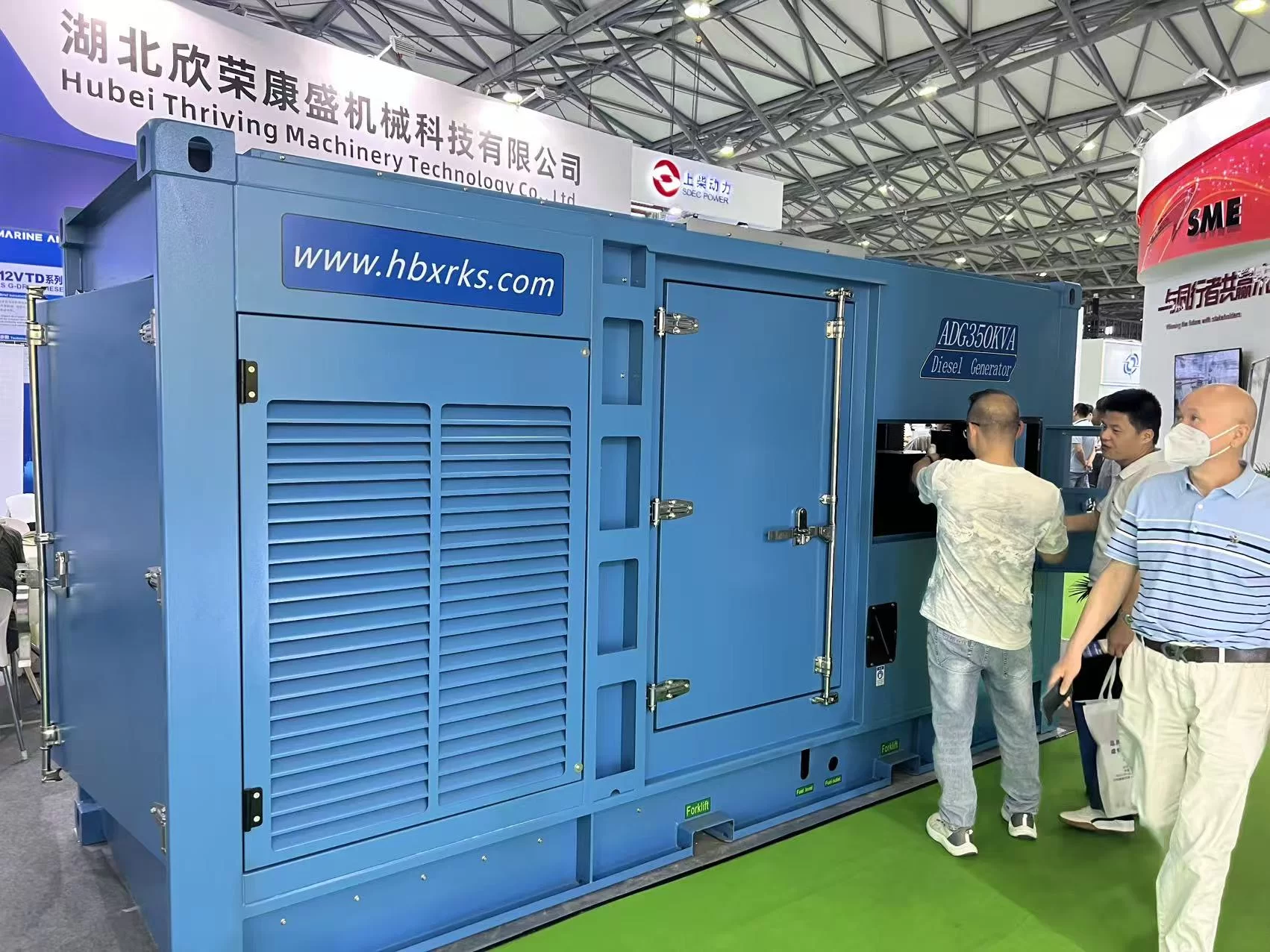
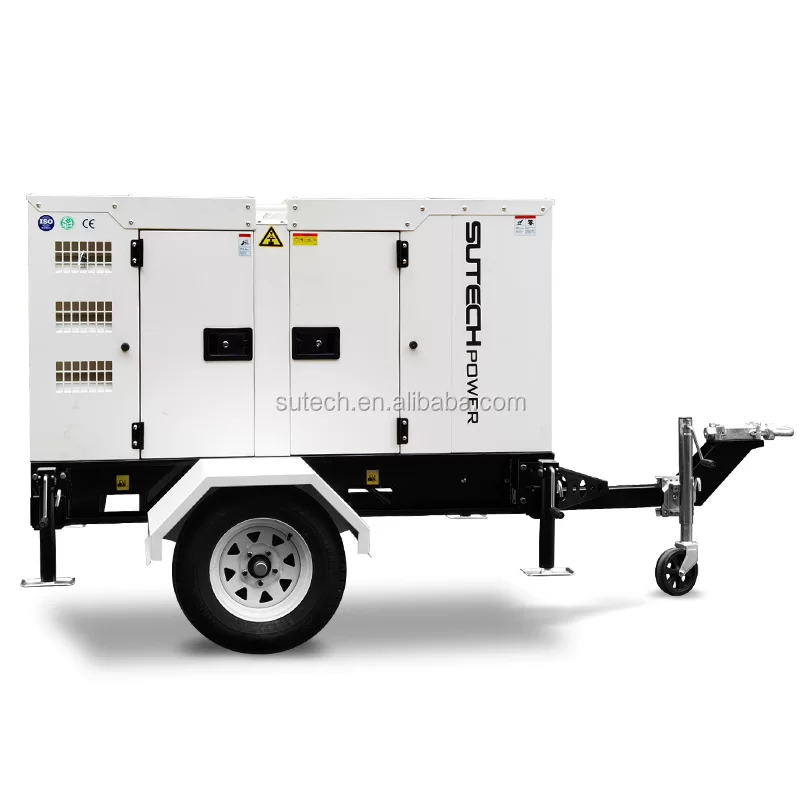
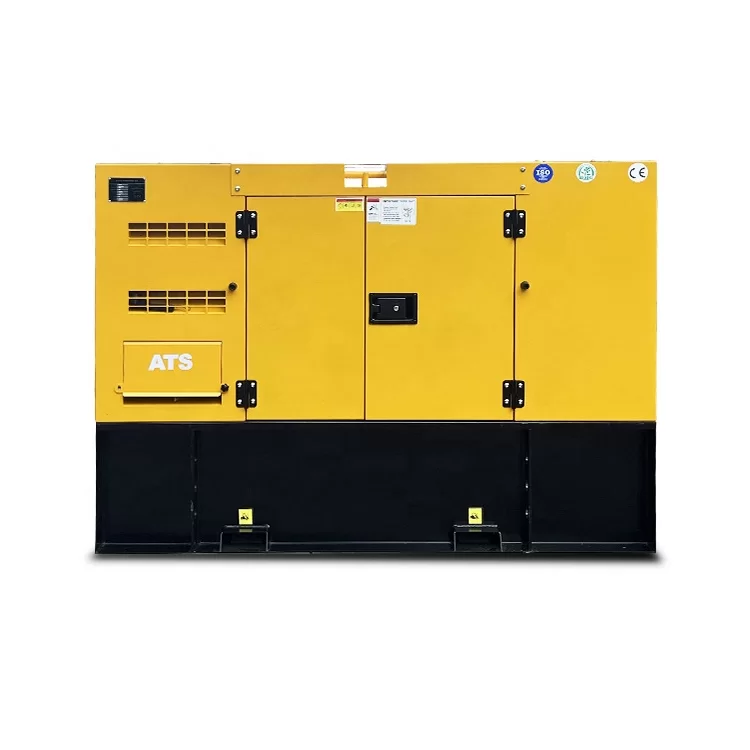
Generator structure and installation are equally important in off-grid applications. Harsh environmental conditions, such as extreme temperatures, dust, and moisture, can affect generator performance and lifespan. Containerized generators provide robust protection against these elements, while soundproof units reduce operational noise, which can be critical in community settings or environmentally sensitive areas. Proper installation, including secure foundations and weatherproof housings, ensures the generator operates reliably and safely, regardless of location. Open-frame units may also be suitable for facilities with controlled environments and sufficient shelter, offering a cost-effective solution with easy maintenance access.
Remote energy solutions benefit from advanced control and monitoring systems integrated into modern generators. Automated systems can manage load distribution, monitor engine performance, detect anomalies, and facilitate remote management. These capabilities are especially valuable in off-grid areas, where technical personnel may not always be present on-site. Remote monitoring allows facility managers to assess generator operation, track fuel consumption, and receive alerts in case of performance issues. Such intelligence ensures consistent power delivery and reduces the likelihood of unexpected downtime, which can be particularly disruptive in isolated regions.
Maintenance and after-sales service remain a key consideration for sustainable energy solutions. Generators in remote or off-grid areas must be resilient, low-maintenance, and supported by reliable service networks. Leading suppliers offer comprehensive support, including installation guidance, preventive maintenance programs, emergency repairs, and parts supply. Routine servicing ensures that generators maintain peak performance, extend operational lifespan, and remain ready to provide power whenever needed. For remote applications, planning for maintenance and fuel logistics is essential to ensure uninterrupted energy supply.
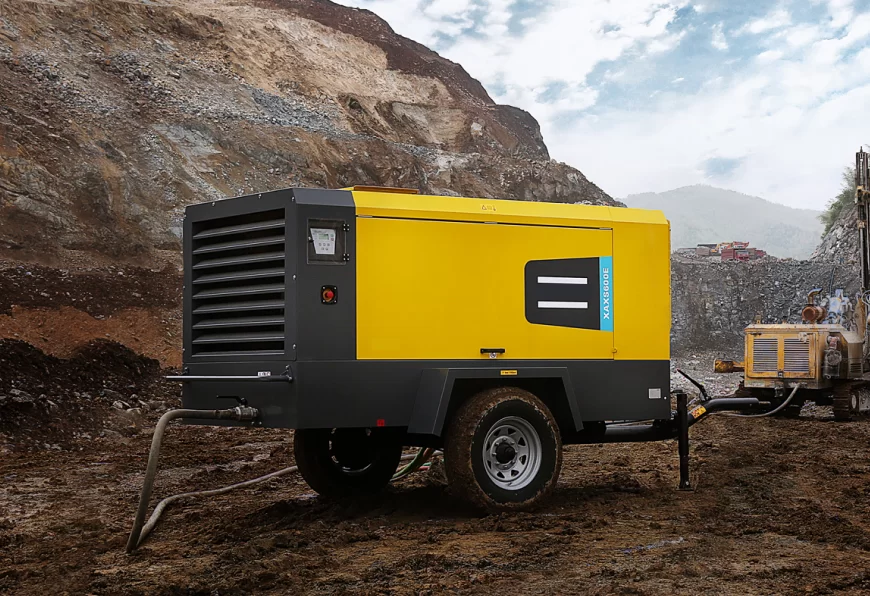
The applications of sustainable energy in off-grid regions are diverse. Rural communities rely on generators to power homes, schools, healthcare centers, and communication networks. Mining and construction sites use generators to operate heavy machinery, processing units, and safety systems. Scientific research stations, remote telecommunication hubs, and military installations require dependable, uninterrupted power for critical operations. Each of these scenarios demonstrates the importance of tailored energy solutions that combine reliability, efficiency, and sustainability.
Natural gas generators also provide economic and environmental advantages in off-grid applications. With widely available pipeline infrastructure or LNG solutions, fuel logistics are simplified compared to diesel alternatives, reducing operational costs and the need for frequent refueling. Cleaner emissions contribute to environmental protection, an important consideration in areas with fragile ecosystems or strict environmental regulations. By combining efficiency, sustainability, and reliability, natural gas generators offer an energy solution that meets both operational and ecological requirements in remote and off-grid settings.
In conclusion, sustainable energy for remote or off-grid areas is essential for enabling productivity, safety, and quality of life. Natural gas generators provide a reliable, clean, and efficient solution that addresses the unique challenges of isolated regions, supporting communities, industries, and essential services. By carefully considering engine type, power range, generator structure, control systems, and maintenance support, facility managers can implement energy solutions that ensure continuous power, minimize environmental impact, and offer long-term operational efficiency. Investing in high-quality generators is more than just a practical decision—it is a strategic commitment to sustainability, resilience, and growth in regions where dependable power is vital for progress.