Commercial buildings, including office complexes, shopping malls, hotels, hospitals, and data centers, rely heavily on uninterrupted power supply to maintain operations, ensure safety, and provide comfort for occupants. Even a brief power outage can cause significant disruption, leading to financial losses, reputational damage, and operational challenges. Efficient backup power solutions have therefore become a critical component of modern commercial infrastructure. Among the various options available, natural gas generators stand out as a reliable, efficient, and environmentally friendly solution for maintaining continuous operations in commercial settings.
In commercial environments, power requirements can be highly variable and complex. A large office building may need electricity for lighting, HVAC systems, elevators, IT networks, and security systems, while a hotel or hospital may require additional power for critical equipment, such as refrigeration, medical devices, and emergency lighting. Any interruption in power supply can compromise safety, disrupt operations, and affect customer experience. To mitigate these risks, commercial buildings invest in backup power systems that ensure seamless transition during utility power failures, providing reliability and peace of mind to building managers and occupants alike.
Natural gas generators offer an ideal solution for commercial backup power due to their efficiency, clean operation, and ability to operate continuously or on-demand. Unlike diesel generators, natural gas generators burn fuel more cleanly, producing lower emissions of carbon monoxide, nitrogen oxides, and particulate matter. This makes them suitable for use in urban and indoor environments, where noise and air pollution are significant concerns. Additionally, natural gas is widely available through pipeline infrastructure, reducing the logistical challenges of fuel storage and refueling associated with diesel-powered systems.
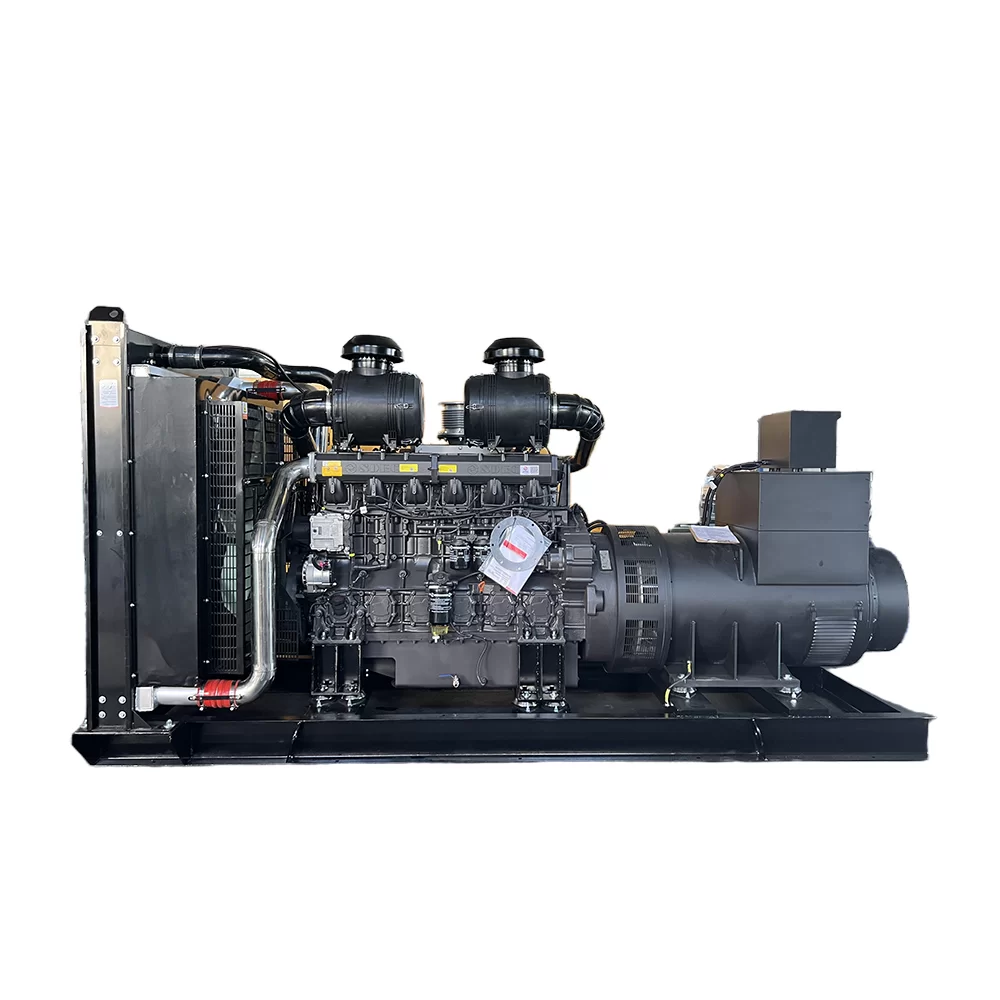
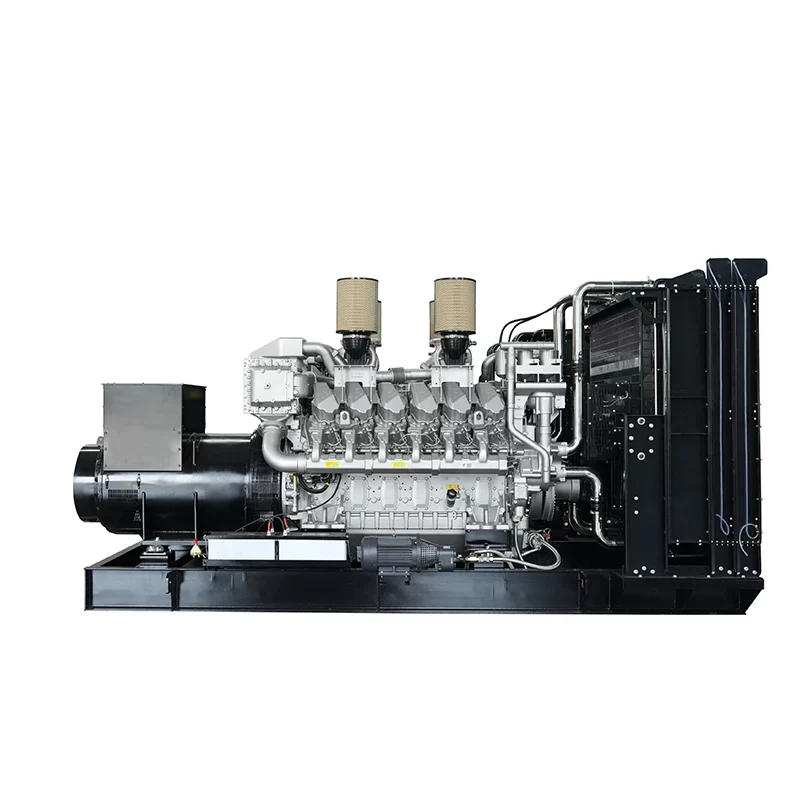
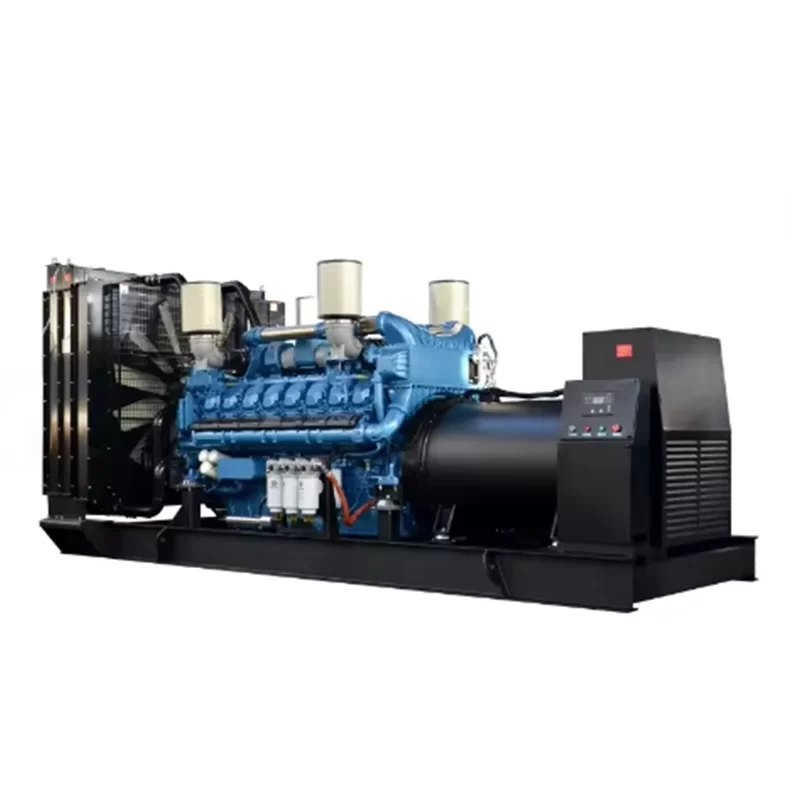
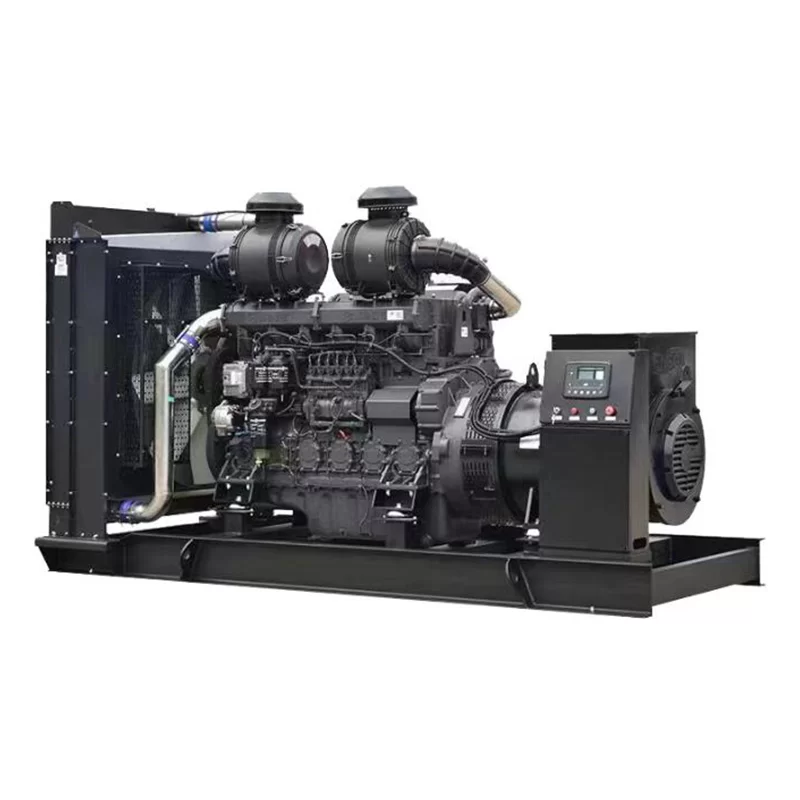
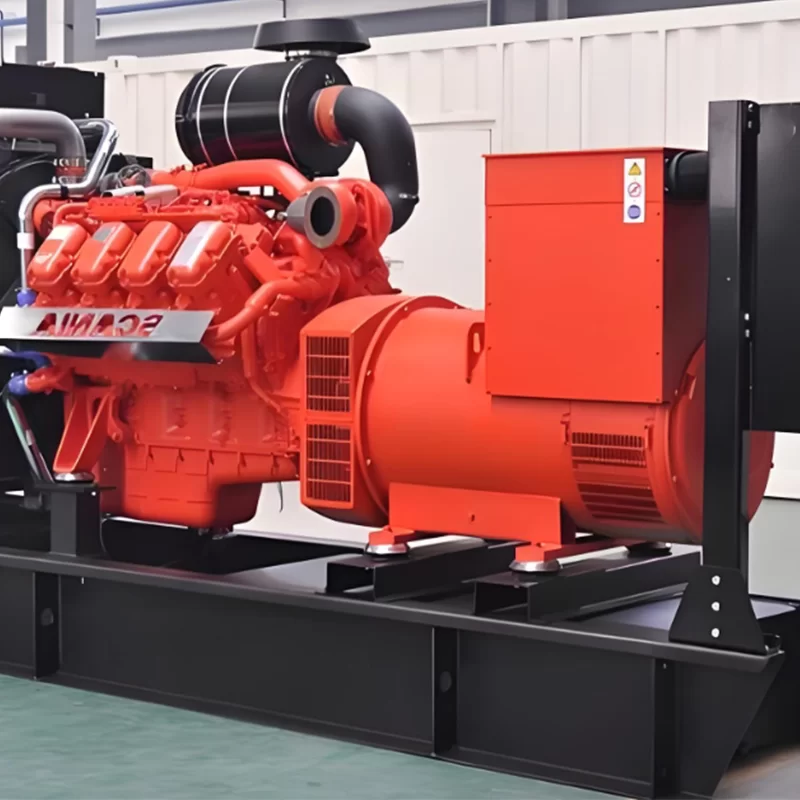
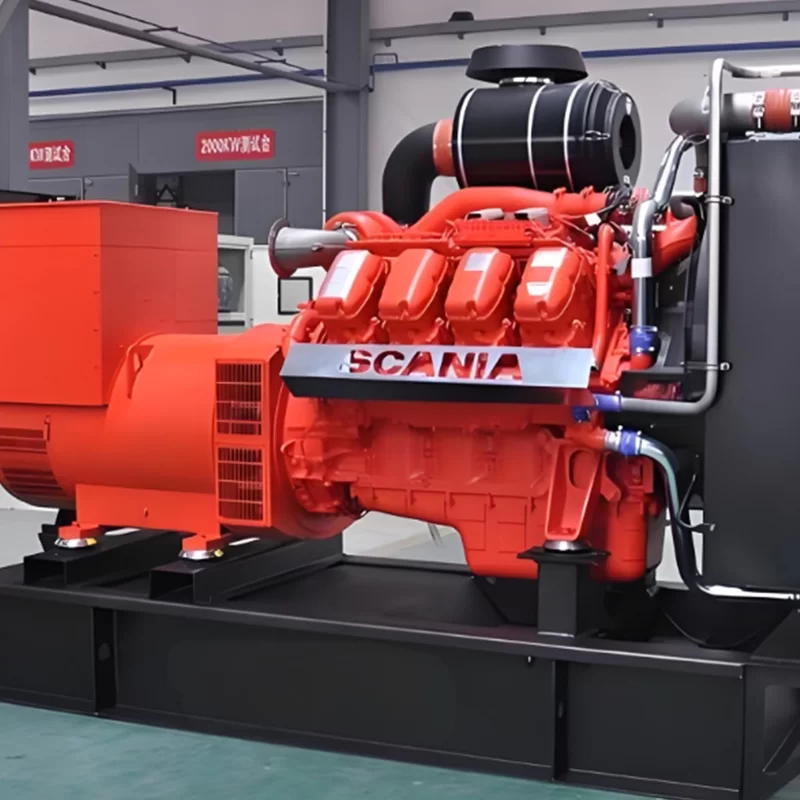
When selecting a generator for commercial backup applications, engine type and quality are critical considerations. High-quality engines, such as those from leading manufacturers like CUMMINS, Perkins, and MTU, provide reliable performance, long service life, and fuel efficiency. Generators powered by these engines are capable of handling sudden load changes, such as simultaneous startup of elevators, air conditioning units, and lighting systems. Engine-specific generators allow facility managers to select models tailored to the building's power profile, ensuring optimal performance while minimizing energy waste and operational costs.
The power range of a commercial backup generator must also be carefully considered. Smaller commercial buildings may require generators in the range of 50 kW to 500 kW, while larger complexes, hospitals, or data centers may need systems capable of delivering multiple megawatts of power. Choosing a generator with an appropriate power rating ensures that critical loads are fully supported during outages without overloading the system or underutilizing capacity. Many modern generators offer modular or scalable designs, allowing building managers to expand capacity as power needs grow or adjust for seasonal fluctuations.
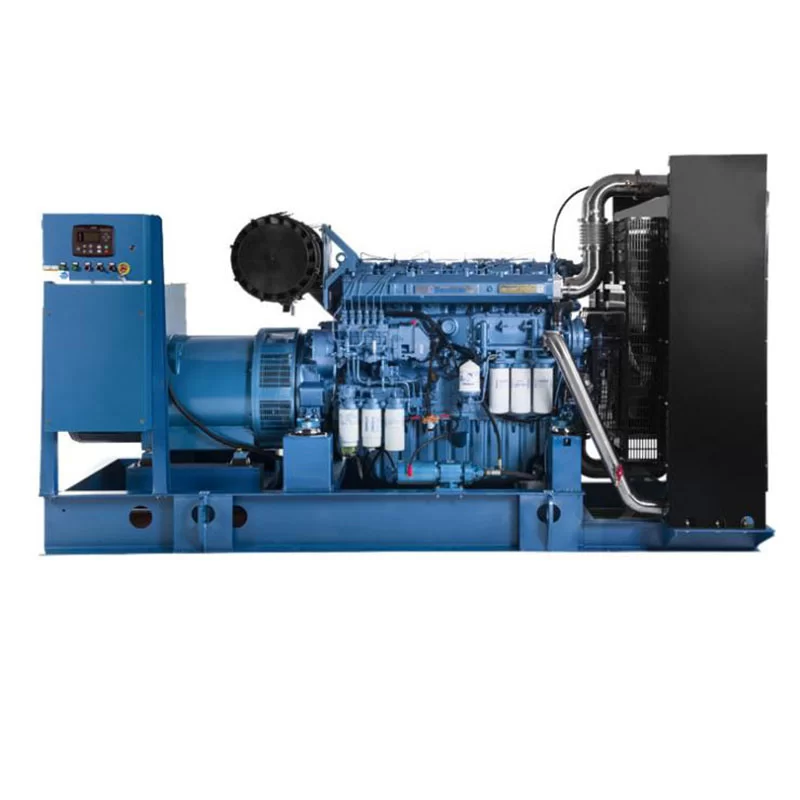
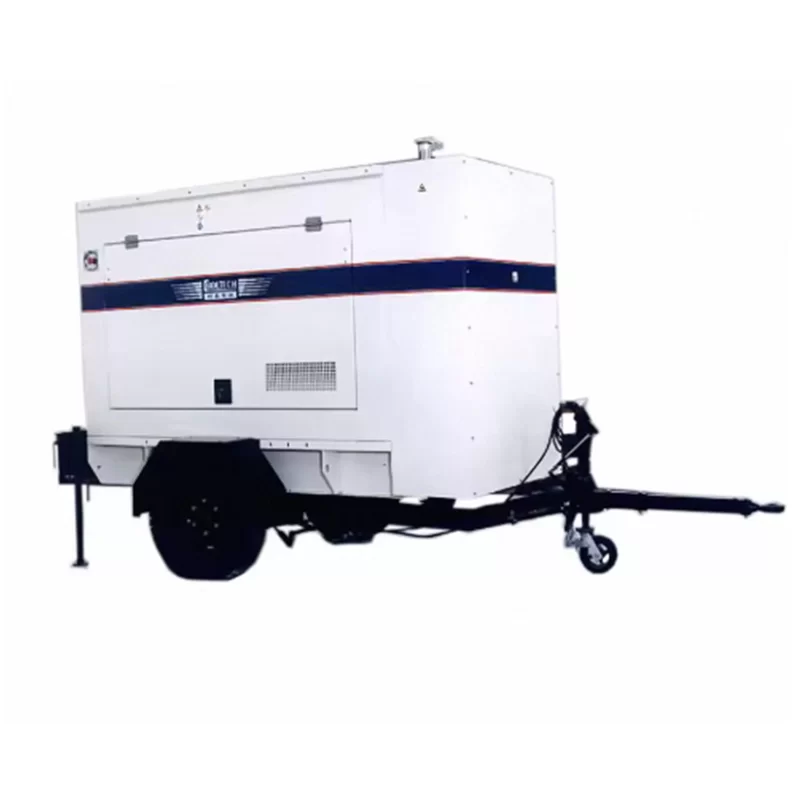
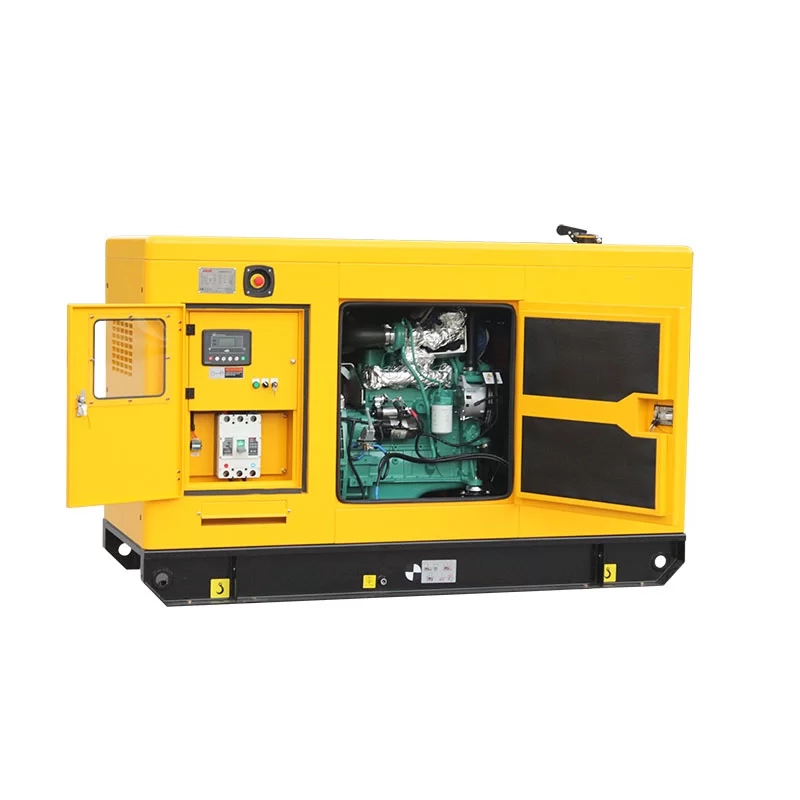
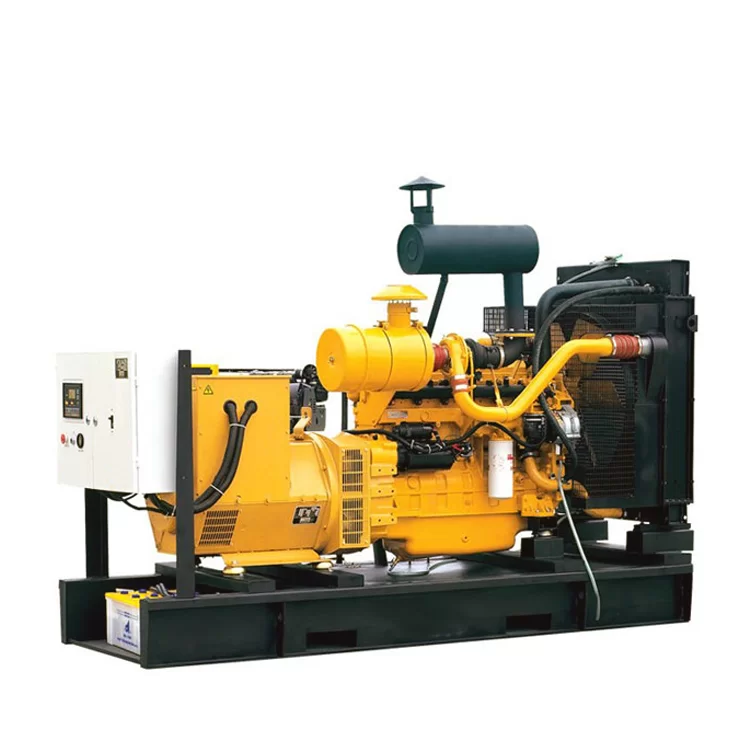
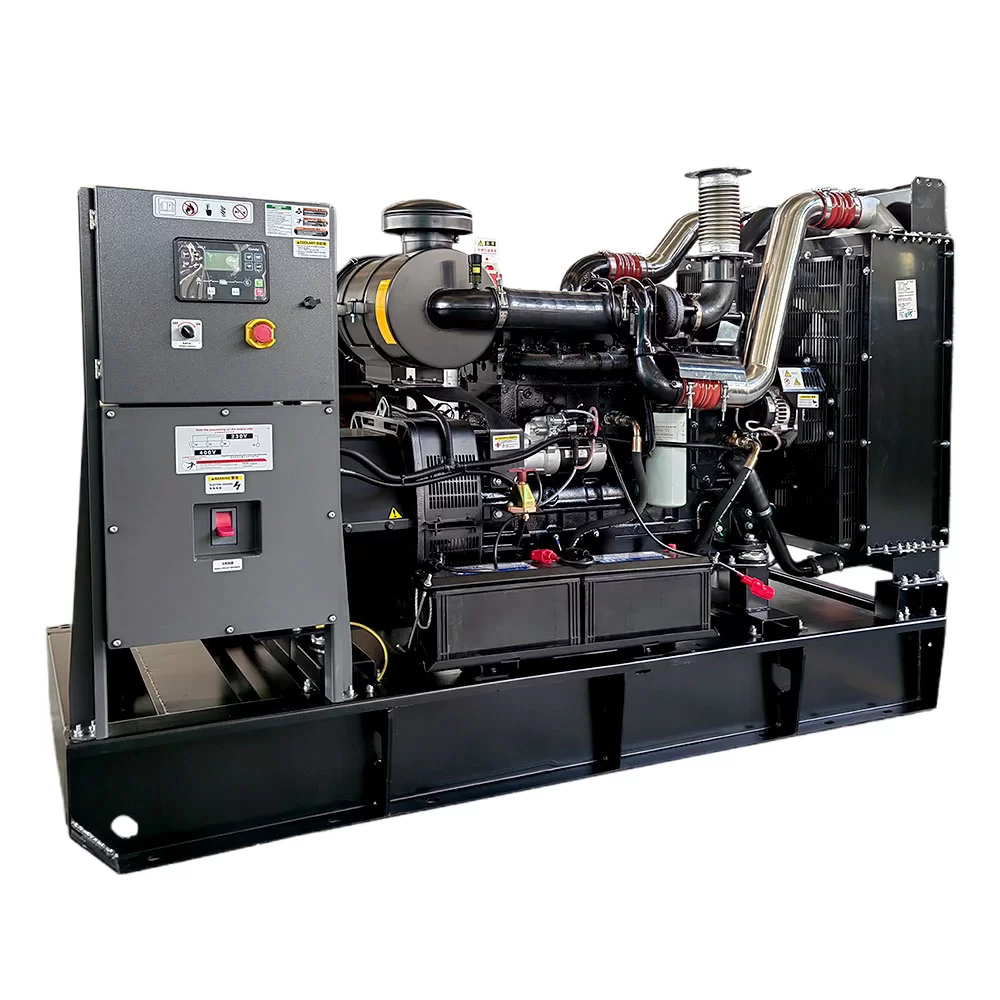
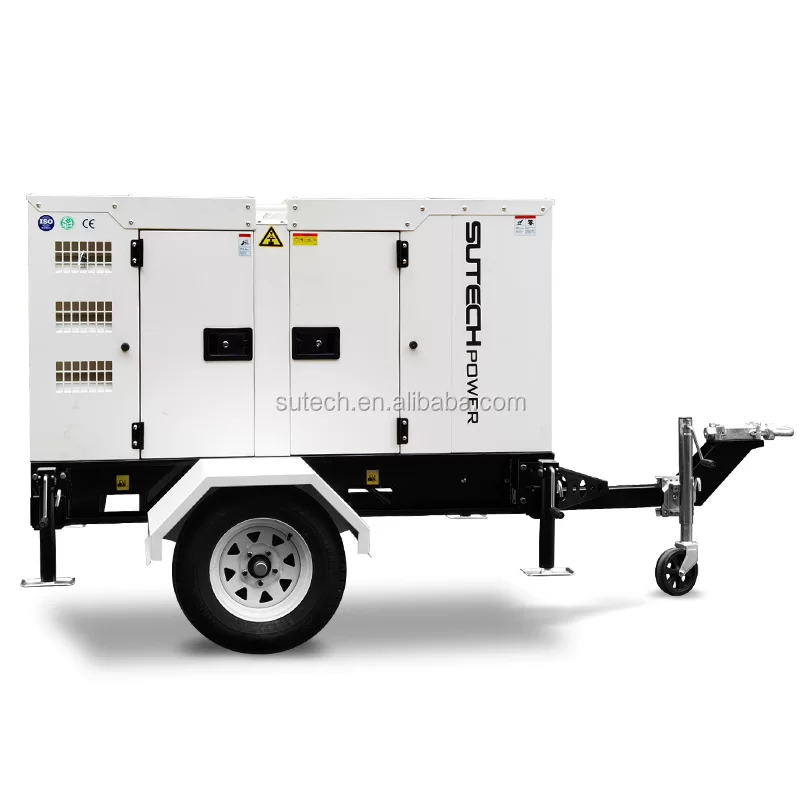
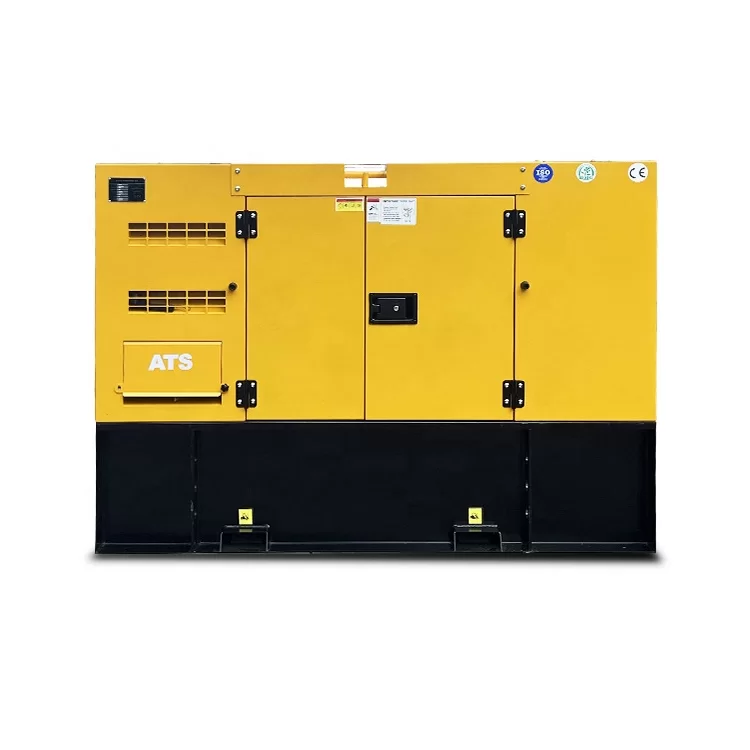
Generator structure and installation design are equally important for commercial buildings. Generators are available in open-frame, soundproof, or containerized configurations. Soundproof generators are ideal for urban or densely populated areas, as they minimize noise disruption to tenants and neighbors. Containerized generators offer enhanced protection from environmental factors, such as rain, dust, or temperature fluctuations, making them suitable for rooftop or outdoor installations. Proper installation and housing ensure not only reliable operation but also compliance with building codes and safety standards.
Advanced control and monitoring systems are a key feature of modern commercial generators. These systems allow automated startup and shutdown, load management, and real-time monitoring of voltage, frequency, fuel consumption, and engine performance. Remote monitoring capabilities enable facility managers to track generator operation from any location, identify potential issues before they escalate, and perform predictive maintenance to prevent unexpected downtime. By leveraging intelligent control systems, commercial buildings can achieve efficient, uninterrupted power supply while reducing maintenance costs and enhancing operational reliability.
Maintenance and after-sales service are essential for sustaining generator performance in commercial applications. Reputable suppliers offer comprehensive support, including installation, commissioning, routine maintenance, emergency repairs, and spare parts availability. Regular servicing ensures that generators remain in optimal condition, ready to deliver power whenever needed. By partnering with experienced providers, commercial facility managers can reduce operational risks, extend equipment lifespan, and maintain a reliable backup power infrastructure.
The applications of commercial backup generators are diverse and critical. Office buildings use generators to maintain lighting, HVAC systems, elevators, and IT networks. Shopping malls rely on generators to keep security systems, refrigeration units, and escalators running during power interruptions. Hospitals, clinics, and emergency facilities utilize generators to support life-saving equipment and maintain patient safety. Hotels, convention centers, and entertainment venues depend on generators to ensure uninterrupted guest services. In each of these applications, a high-quality backup power system enhances reliability, safeguards operations, and improves overall occupant satisfaction.
Natural gas generators also provide environmental and economic benefits for commercial buildings. Their clean-burning operation reduces greenhouse gas emissions and aligns with corporate sustainability goals. Natural gas fuel is often more cost-effective than diesel, and generators running on natural gas require less frequent refueling and maintenance. This combination of operational efficiency, environmental compliance, and cost savings makes natural gas generators a compelling choice for commercial facilities seeking both reliability and sustainability.
In conclusion, efficient backup power is essential for commercial buildings to maintain continuous operations, protect assets, ensure safety, and provide a comfortable environment for occupants. Natural gas generators offer a reliable, clean, and flexible solution capable of meeting the diverse and critical power demands of modern commercial facilities. By considering engine quality, power range, structural design, control systems, and after-sales support, building managers can implement backup power solutions that deliver consistent performance, minimize downtime, and contribute to operational excellence. Investing in a high-quality generator is not just a precaution—it is a strategic decision that enhances reliability, efficiency, and sustainability for commercial operations, ensuring that buildings remain powered, productive, and secure under any circumstances.