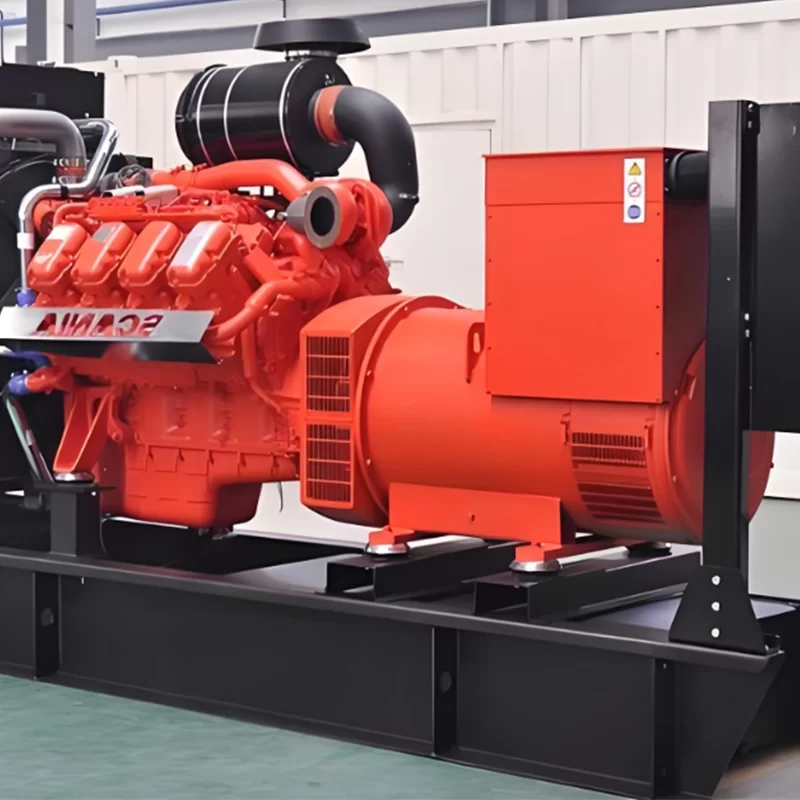
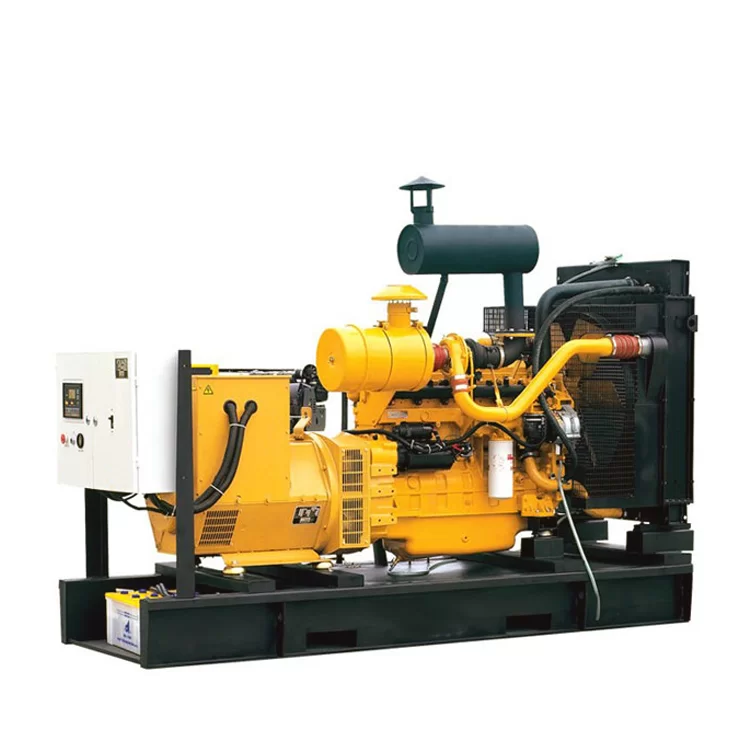
In modern power generation, the physical design and structural configuration of generators are just as critical as the engines and fuel they use. Innovative generator structures not only enhance operational performance but also improve safety, reduce environmental impact, and increase adaptability across diverse applications. From industrial facilities and commercial buildings to remote and off-grid installations, the structure of a generator directly influences reliability, efficiency, and long-term operational success. By combining advanced engineering, durable materials, and thoughtful design, manufacturers are transforming how generators are deployed and utilized across industries.
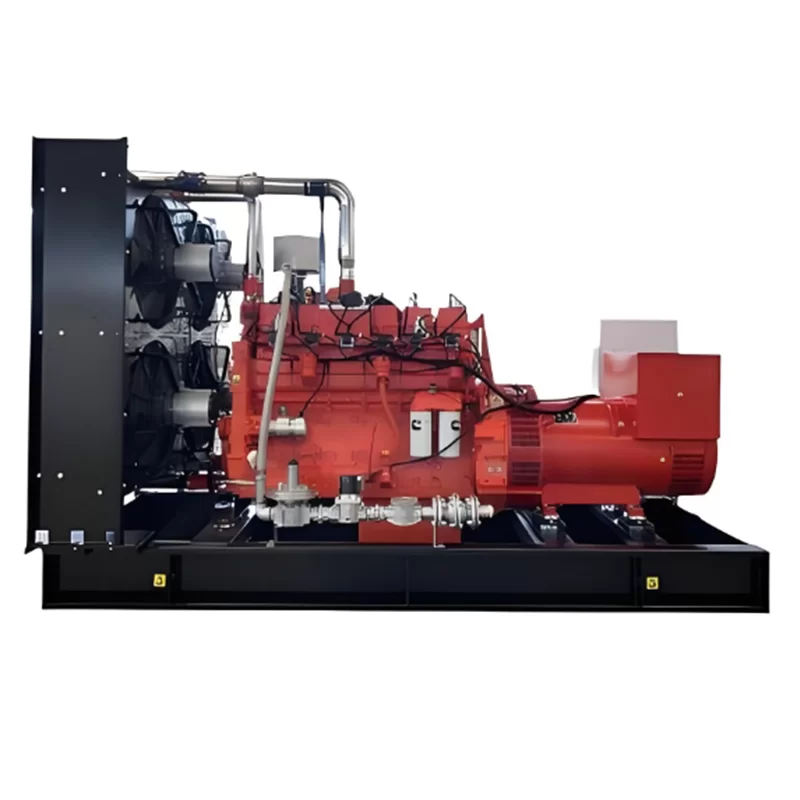
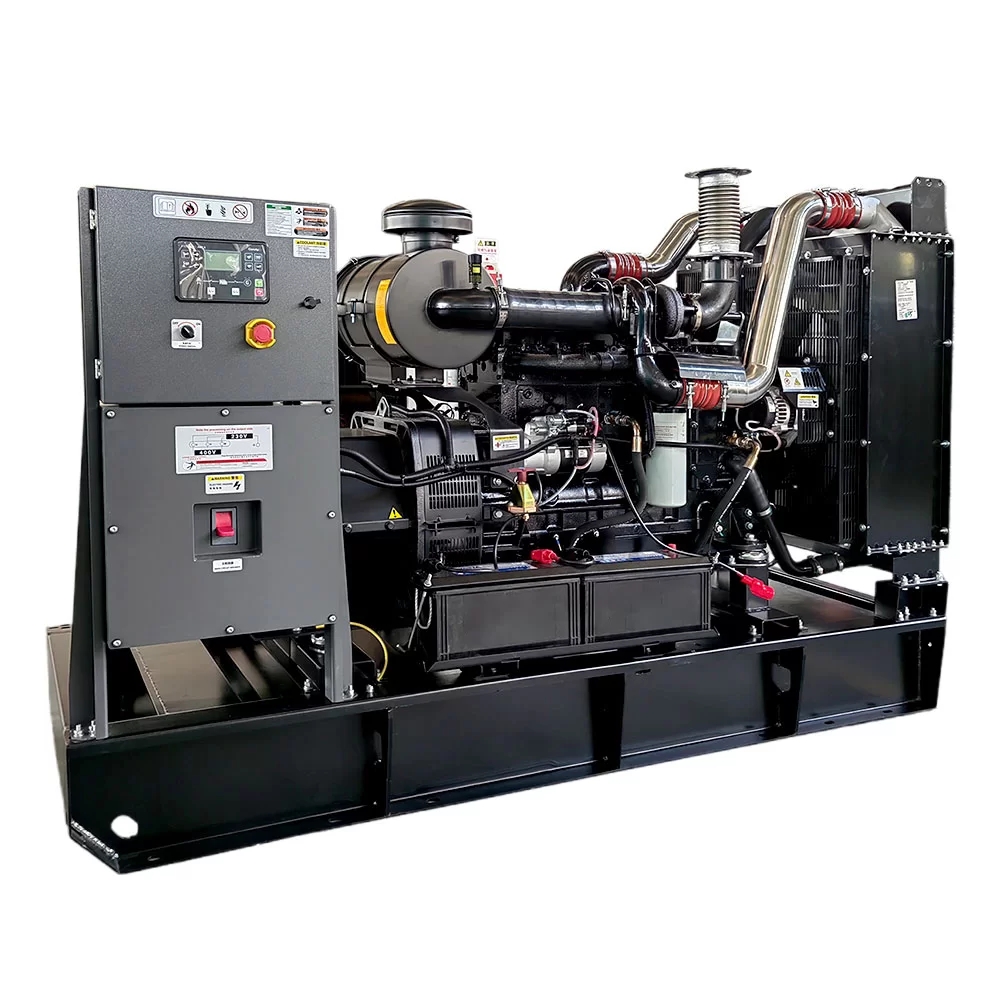
One of the primary advantages of innovative generator structures is enhanced safety. Generator units must operate under demanding conditions, including extreme temperatures, heavy loads, and continuous operation. Traditional open-frame designs, while cost-effective, expose critical components to dust, moisture, and accidental contact, increasing the risk of malfunctions or injuries. Modern structural designs, such as soundproof enclosures, containerized units, and weatherproof housings, provide comprehensive protection for both personnel and equipment. By shielding engines, alternators, and control systems, these structures reduce hazards and ensure safe operation, even in challenging industrial or outdoor environments.
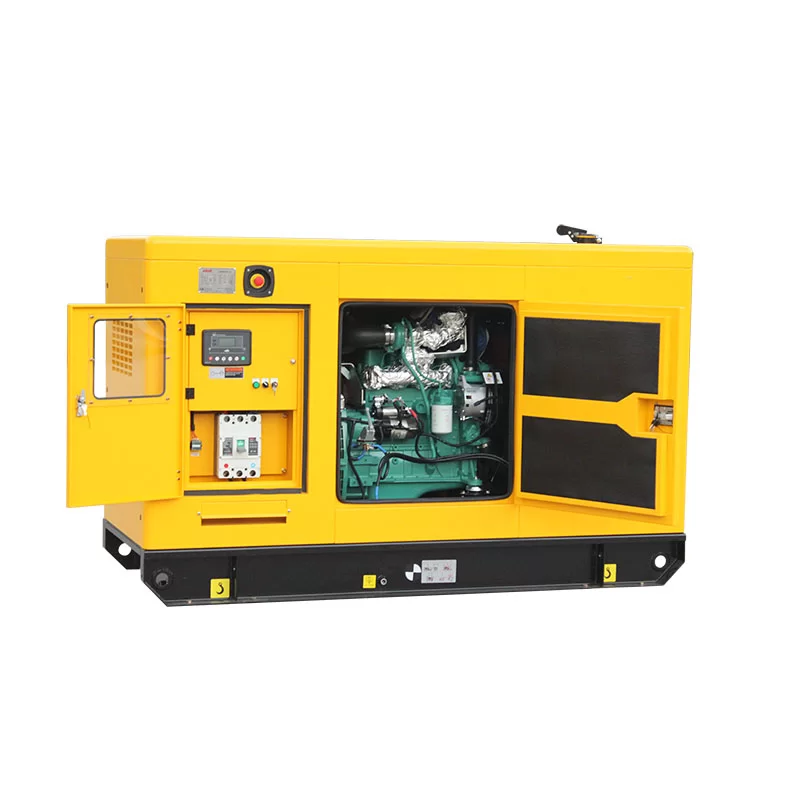
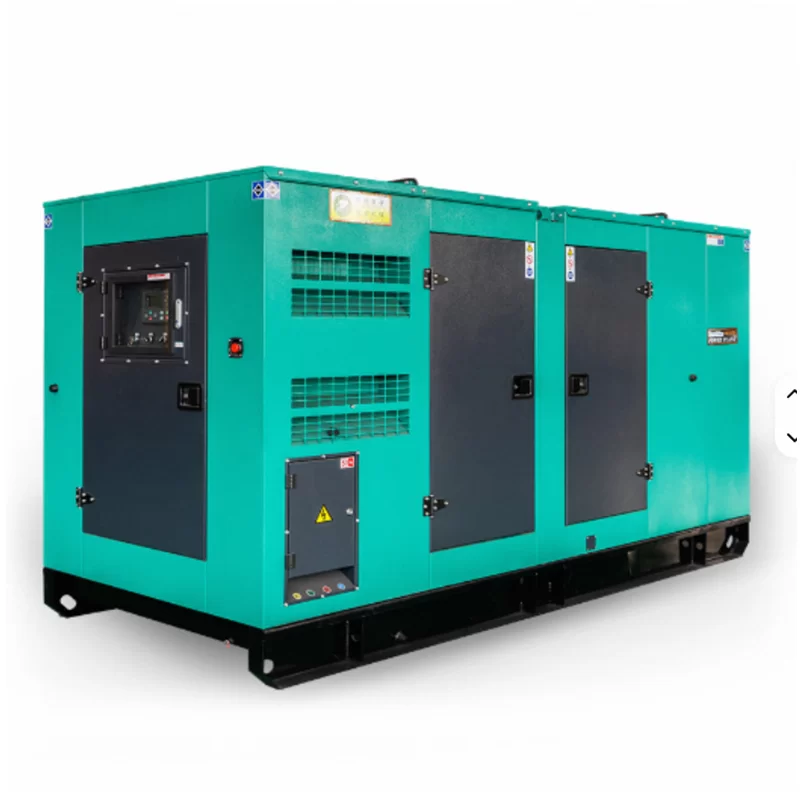
Soundproof and acoustic enclosures are a key innovation in generator structure design. Noise pollution is a significant concern in urban commercial areas, hospitals, hotels, and residential complexes. Excessive generator noise can disrupt daily operations, violate local regulations, and affect occupant comfort. By integrating sound-absorbing materials, acoustic panels, and vibration-dampening mounts, manufacturers have developed generators that operate quietly without compromising performance. Soundproof designs allow generators to be installed closer to sensitive areas, reducing infrastructure costs for long-distance cabling while maintaining compliance with noise regulations.
Containerized generators represent another significant advancement in structural design. These generators are enclosed in robust, weather-resistant containers that protect against dust, rain, extreme temperatures, and physical damage. Containerized units are particularly suitable for outdoor, industrial, or remote installations where environmental exposure is unavoidable. In addition to protection, containerized structures often include integrated ventilation systems, fire suppression features, and easy access points for maintenance. These enhancements improve operational safety, minimize downtime, and extend the lifespan of critical generator components.
The structural design of generators also directly impacts performance and efficiency. Properly engineered housings ensure optimal airflow, cooling, and heat dissipation, which are essential for maintaining stable engine operation under load. Overheating or poor ventilation can reduce engine efficiency, increase fuel consumption, and lead to premature wear. Innovative structures, such as modular enclosures with adjustable airflow systems, allow generators to maintain ideal operating temperatures regardless of environmental conditions or load variations. This ensures consistent performance and maximizes fuel efficiency across industrial, commercial, and off-grid applications.
Modular and scalable generator structures further enhance flexibility and adaptability. In many industrial and commercial environments, energy demands fluctuate, requiring generators to be scaled up or down according to operational needs. Modular generator systems allow multiple units to operate in parallel or sequentially, providing the exact amount of power needed without overloading a single unit. Structurally, these generators are designed for easy connection, transport, and installation, enabling facilities to expand or reconfigure their power systems with minimal disruption. This flexibility is critical for construction projects, mining operations, data centers, and other facilities where energy requirements evolve over time.
Innovative generator structures also integrate advanced safety features, including fire suppression, spill containment, and secure access controls. Fire suppression systems, such as automatic extinguishers, reduce the risk of engine or fuel-related fires, particularly in remote or high-risk industrial environments. Spill containment features prevent fuel leakage from causing environmental damage or creating hazardous conditions for personnel. Secure access panels and lockable enclosures restrict unauthorized interaction with high-voltage components, protecting both equipment and operators. By incorporating these safety measures into structural design, manufacturers enhance the reliability and resilience of generators across all applications.
Environmental and operational efficiency is another benefit of advanced generator structures. Generators with optimized housings reduce energy losses, prevent dust and debris from entering sensitive components, and maintain stable operating conditions under extreme weather. This results in lower maintenance requirements, fewer unplanned shutdowns, and longer equipment lifespan. Additionally, environmentally friendly structural materials, such as corrosion-resistant metals and recyclable composites, contribute to sustainable generator design while maintaining robust protection against physical and environmental hazards.
Remote and off-grid applications particularly benefit from innovative generator structures. Mining operations, construction sites, rural communities, and scientific research stations often face harsh environmental conditions and limited maintenance capabilities. Generators with robust enclosures, noise reduction, and integrated monitoring systems provide reliable, efficient, and safe power under these challenging circumstances. Containerized or modular units are easily transported, installed, and maintained, making them ideal for locations where traditional grid power is unavailable.
The integration of intelligent monitoring and control systems within innovative structures further enhances generator safety and performance. These systems allow real-time tracking of engine temperature, voltage, frequency, fuel consumption, and operational parameters. Automated control features enable safe startup and shutdown, load management, and fault detection. Remote monitoring allows operators to oversee multiple generators simultaneously, detect issues early, and implement predictive maintenance programs, ensuring uninterrupted operation and long-term reliability.
In conclusion, innovative generator structures play a pivotal role in enhancing safety, performance, and adaptability across industrial, commercial, and remote power applications. By combining advanced enclosures, soundproofing, modular design, and integrated safety systems, modern generators provide reliable and efficient energy solutions in a wide range of environments. From urban commercial buildings to remote off-grid operations, structural innovation ensures that generators operate safely, efficiently, and sustainably, while minimizing environmental impact and maintenance costs. As energy demands continue to grow and diversify, the importance of structural design in generator performance cannot be overstated. Innovative generator structures represent a crucial step forward in delivering safe, reliable, and high-performing power solutions for today’s dynamic energy landscape.