The demand for reliable and flexible energy solutions has never been higher. Modern industries, commercial buildings, and remote communities require power systems that can adapt to a wide variety of operational needs. One of the most important factors in selecting a generator is its power range—the range of electrical output it can deliver. By offering generators with diverse power options, manufacturers enable organizations to match energy supply precisely to their operational requirements, improving efficiency, reliability, and cost-effectiveness. Power range options not only enhance the versatility of generators but also expand their applications across industries, commercial facilities, and remote areas.
Generators are available in a wide spectrum of power outputs, from small units capable of producing tens of kilowatts to massive systems delivering several megawatts. Each power range serves specific needs. Smaller generators, typically in the 50–500 kW range, are ideal for commercial buildings, small manufacturing plants, and emergency backup for critical systems. Medium-range generators, often between 500 kW and 2 MW, are suitable for larger industrial facilities, hospitals, and high-rise office complexes. Large-scale generators exceeding 2 MW are used in heavy industries, mining operations, and utility-scale projects where continuous, high-capacity power is essential. By providing options across this spectrum, manufacturers ensure that every facility can find a generator tailored to its energy demands.
Industrial applications benefit greatly from the availability of diverse power ranges. Factories and processing plants often operate heavy machinery, assembly lines, and climate control systems that require stable and continuous power. Matching the generator’s output to the facility’s load profile prevents underutilization of capacity, which can waste fuel and reduce efficiency, and avoids overloading smaller generators, which could lead to breakdowns and downtime. For instance, a medium-sized manufacturing facility may require a generator in the 750 kW range to run production lines efficiently, while a steel plant might rely on multiple generators exceeding 3 MW to handle heavy equipment and continuous operation demands.
Commercial buildings also require generators with appropriately sized power ranges to maintain uninterrupted operations. Office complexes, shopping centers, hotels, and hospitals depend on generators to keep lighting, elevators, HVAC systems, IT infrastructure, and emergency systems running during outages. Selecting generators with the correct power range ensures that these systems operate without disruption. A hospital, for example, may require multiple 1 MW generators to maintain critical medical equipment during power interruptions, while a smaller office building may only need a 100 kW generator for essential lighting and server backup.
Remote and off-grid areas are another sector where power range options significantly expand generator applications. Mining sites, construction projects, and rural communities often face unpredictable and variable energy demands. In such cases, generators with flexible power ranges can be scaled to meet current needs while allowing for future expansion. Modular generator systems provide an effective solution by combining multiple units of different capacities to deliver a precise total output. This modular approach allows operators to optimize fuel efficiency, minimize costs, and ensure that power supply matches demand at all times.
The flexibility of generator by power range also enhances the efficiency and sustainability of energy systems. Properly sized generators consume fuel more efficiently, reducing operational costs and environmental impact. Over-sized generators can waste fuel and increase emissions, while under-sized generators may overwork and fail prematurely. By offering a wide range of power options, manufacturers enable facilities to choose generators that operate within their optimal efficiency zone, improving performance and reducing the carbon footprint. This approach aligns with global trends toward energy efficiency, sustainability, and environmental compliance.
Modern generators with diverse power ranges are often designed with advanced control and monitoring systems to further enhance their utility. These systems enable automated load management, efficient fuel use, and predictive maintenance. For example, when multiple generators are deployed in parallel, intelligent controls can distribute load evenly across units, optimize fuel consumption, and minimize wear on engines. Remote monitoring capabilities allow operators to oversee generator performance from a central location, ensuring consistent power delivery and early detection of potential issues. This technology is particularly valuable in industrial complexes, commercial facilities, and remote operations where continuous energy supply is critical.
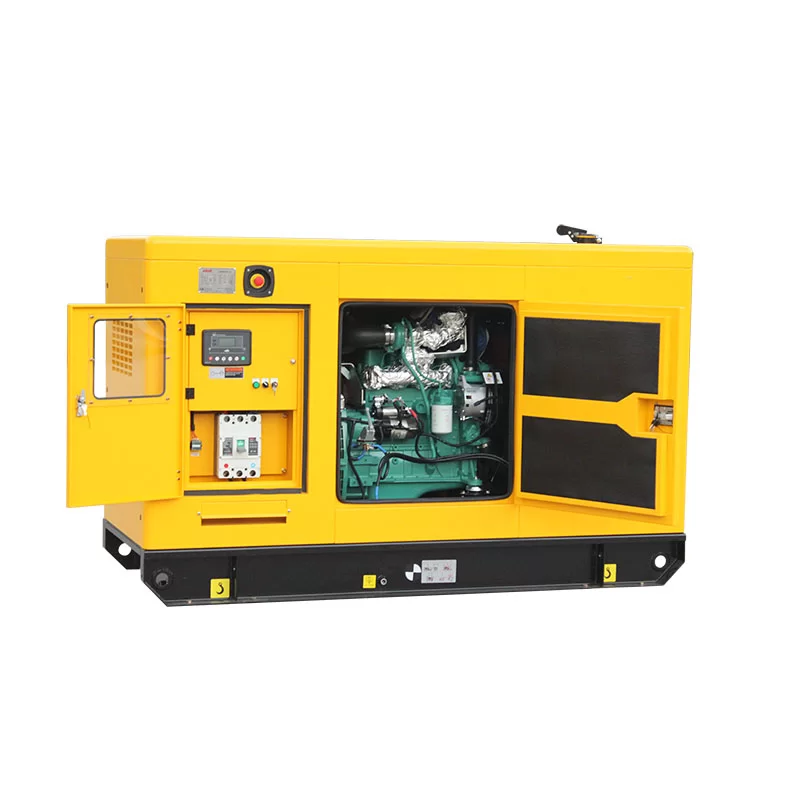
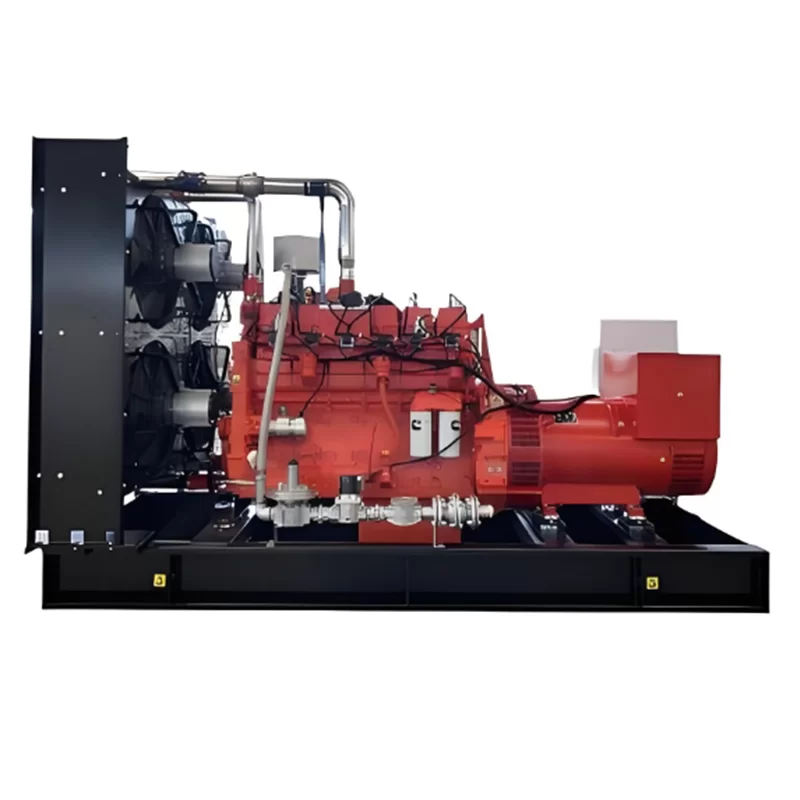
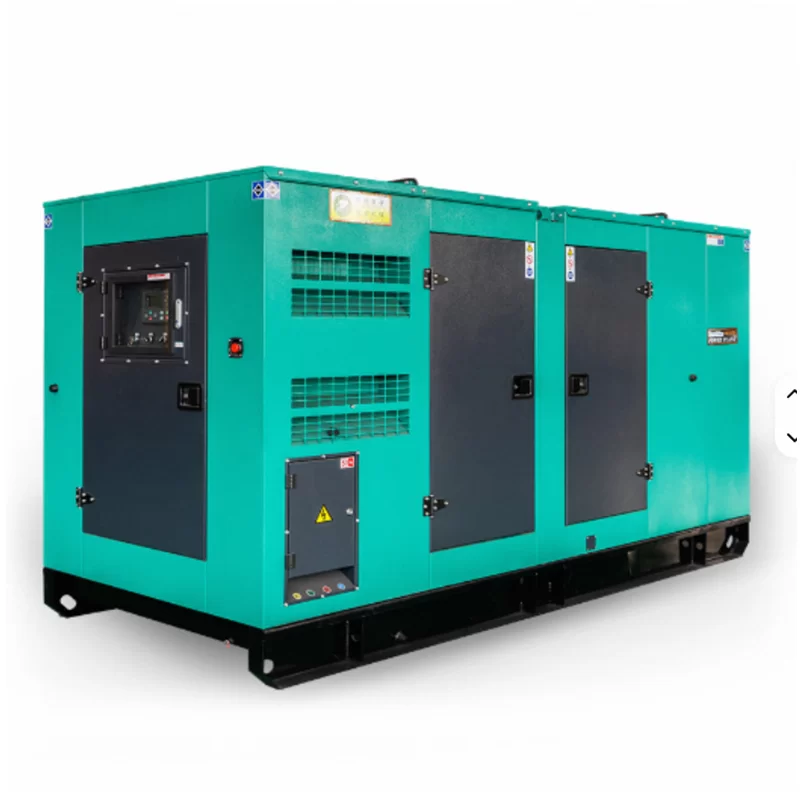
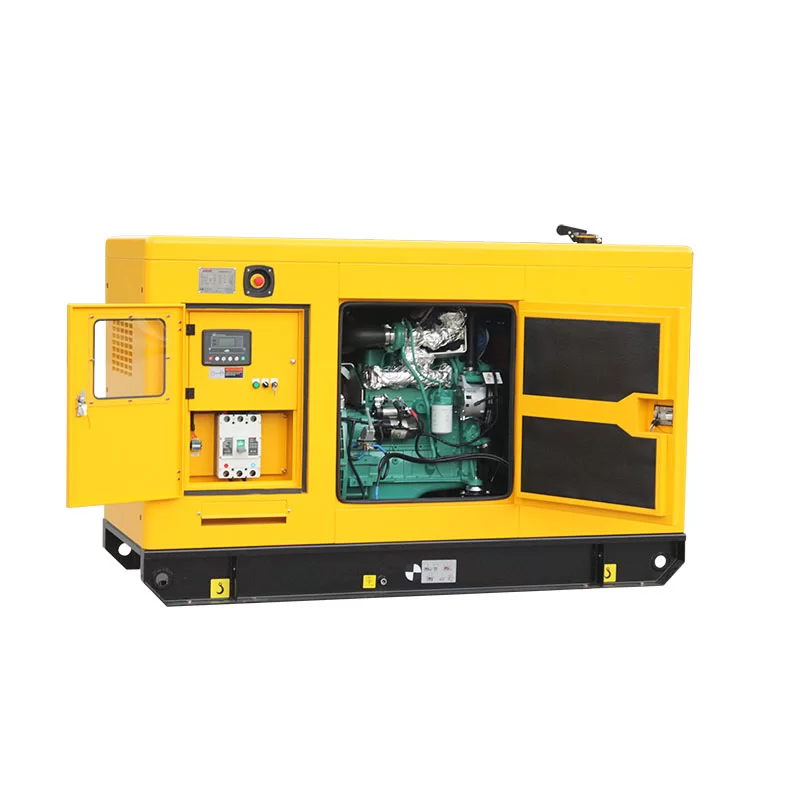
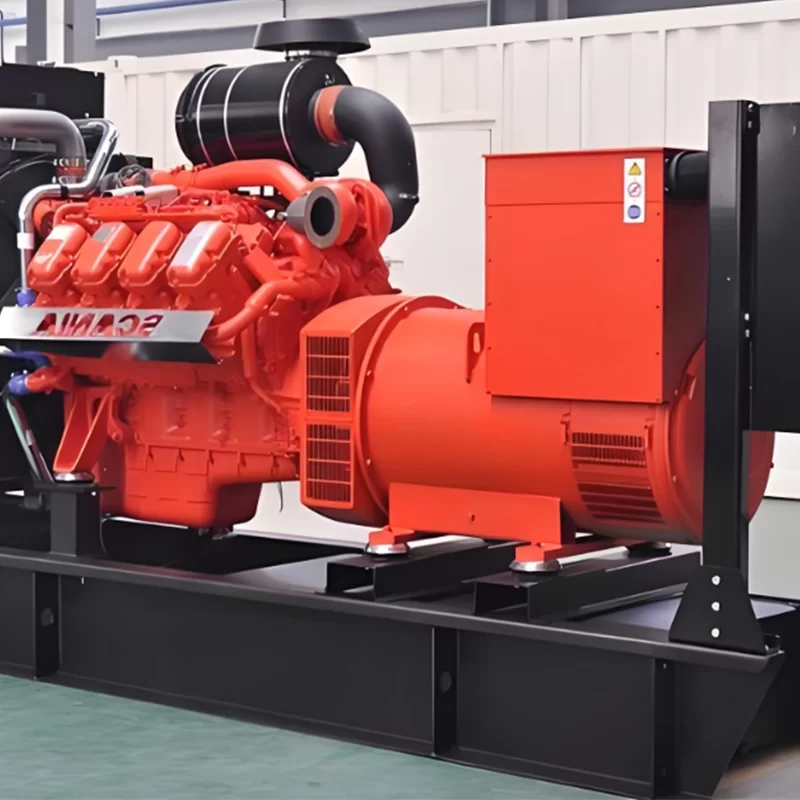
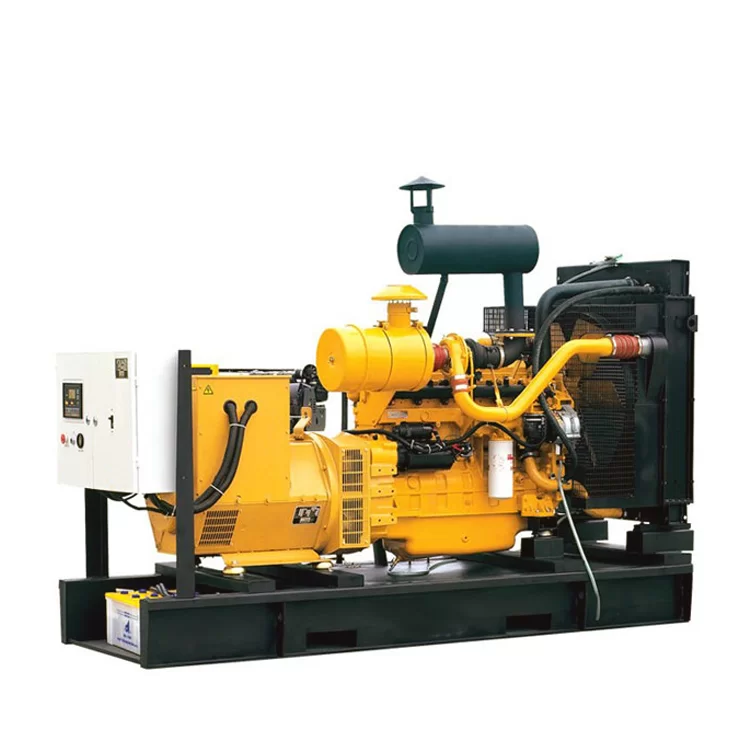
The structural design and installation of generators also play a role in their applicability across power ranges. Smaller generators may be installed indoors or in compact outdoor enclosures, while large industrial generators often require containerized or soundproof housings to protect against environmental factors and reduce operational noise. Open-frame units provide a cost-effective solution for facilities with controlled environments. The ability to pair appropriate structures with specific power ranges ensures safe, reliable, and efficient operation across a wide variety of applications.
Power range options also provide economic benefits. Facilities can avoid unnecessary capital expenditure on oversized generators while ensuring adequate capacity to meet energy demands. Modular designs and scalable power solutions allow organizations to invest incrementally as energy needs grow, avoiding upfront costs and reducing financial risk. Furthermore, properly sized generators require less fuel, experience lower wear and tear, and reduce maintenance expenses over the system’s lifespan, resulting in significant long-term cost savings.
Applications of generators with diverse power ranges span multiple sectors. Industrial operations, from light manufacturing to heavy processing, rely on generators for production continuity. Commercial buildings, including hospitals, hotels, and office complexes, utilize generators to ensure occupant safety and maintain services during outages. Remote mining, construction, and rural communities use generators to provide off-grid power solutions that are both reliable and sustainable. By offering generators across a wide power spectrum, manufacturers enable solutions that meet the specific energy requirements of each application, ensuring optimal performance, reliability, and cost-effectiveness.
In conclusion, power range options expand generator applications by providing flexibility, efficiency, and reliability across diverse operational contexts. From industrial facilities and commercial buildings to remote and off-grid sites, generators with varied power outputs enable organizations to select systems tailored to their specific energy needs. By combining optimal power range selection with advanced monitoring, structural design, and modular configurations, operators can ensure consistent, efficient, and sustainable energy supply. As energy demands continue to grow and diversify, the availability of generators across multiple power ranges will remain a crucial factor in delivering reliable, adaptable, and environmentally responsible power solutions for industries, commercial facilities, and communities worldwide.