In today’s fast-evolving energy landscape, businesses, industries, and remote facilities demand power solutions that are not only reliable but also highly efficient and tailored to their operational requirements. One of the most effective ways to achieve this is through engine-specific generators, which are designed to optimize performance based on the type of engine used. By selecting generators that match the specific power needs and operational conditions of a facility, organizations can achieve significant improvements in efficiency, reliability, and overall operational performance.
An engine-specific generator is a power generation system where the choice of engine is carefully matched to the intended application. Unlike standard generators, which may offer a “one-size-fits-all” approach, engine-specific units are optimized for particular load profiles, fuel types, and operational demands. Leading engine manufacturers, such as CUMMINS, Perkins, and MTU, provide engines that deliver robust performance, fuel efficiency, and long operational lifespans. By integrating these engines into generator systems, facility managers can ensure that their energy solutions operate at peak efficiency while meeting the reliability standards required for industrial and commercial operations.
Efficiency gains are one of the primary benefits of engine-specific generators. Each engine type is engineered to perform optimally under specific load conditions and fuel types. For example, natural gas engines provide cleaner combustion and high thermal efficiency, making them ideal for commercial buildings and environmentally sensitive areas. Diesel engines, on the other hand, offer high power density and durability, which are suitable for heavy industrial applications and remote locations with limited fuel infrastructure. By selecting the engine type that aligns with the facility’s energy requirements, operators can reduce fuel consumption, minimize operational costs, and achieve a more sustainable power supply.
Reliability is equally critical in today’s industrial and commercial environments. Power interruptions can lead to production losses, equipment damage, and safety hazards. Engine-specific generators are designed to handle these challenges with robust components, advanced control systems, and precise engineering. Modern generators are equipped with intelligent monitoring systems that track engine performance, fuel usage, and operational parameters in real time. This allows facility managers to detect potential issues before they escalate, schedule preventive maintenance, and avoid unexpected downtime. In this way, engine-specific generators not only supply energy but also provide peace of mind regarding continuous operation and operational safety.
The power range of engine-specific generators further enhances their versatility. Industrial facilities may require generators capable of delivering from 100 kW to several megawatts, depending on the size of machinery and production lines. Commercial buildings, such as office complexes, hospitals, and shopping centers, may require smaller units in the range of 50–500 kW to maintain critical operations during outages. Engine-specific designs allow for precise matching of generator capacity to load requirements, ensuring optimal performance and avoiding the inefficiencies associated with over- or under-sized generators. Additionally, modular generator systems enable operators to scale capacity according to changing energy demands, providing both flexibility and cost-effectiveness.
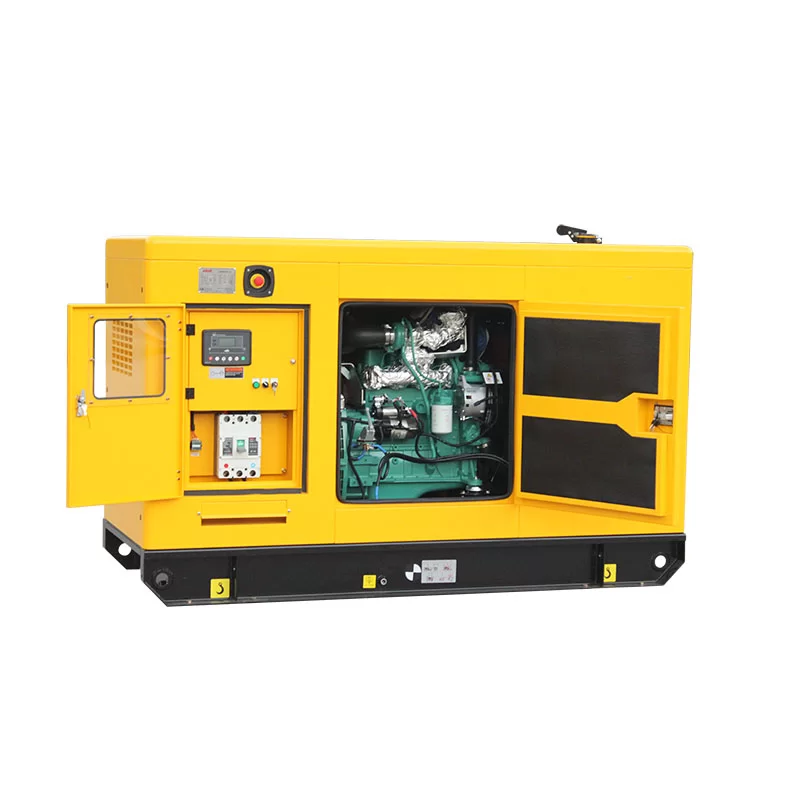
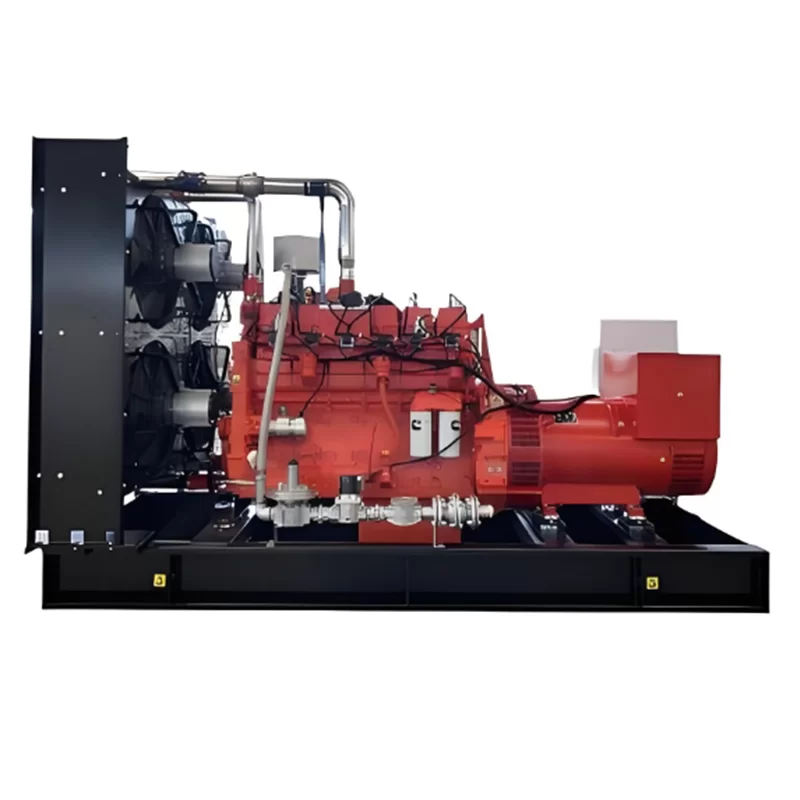
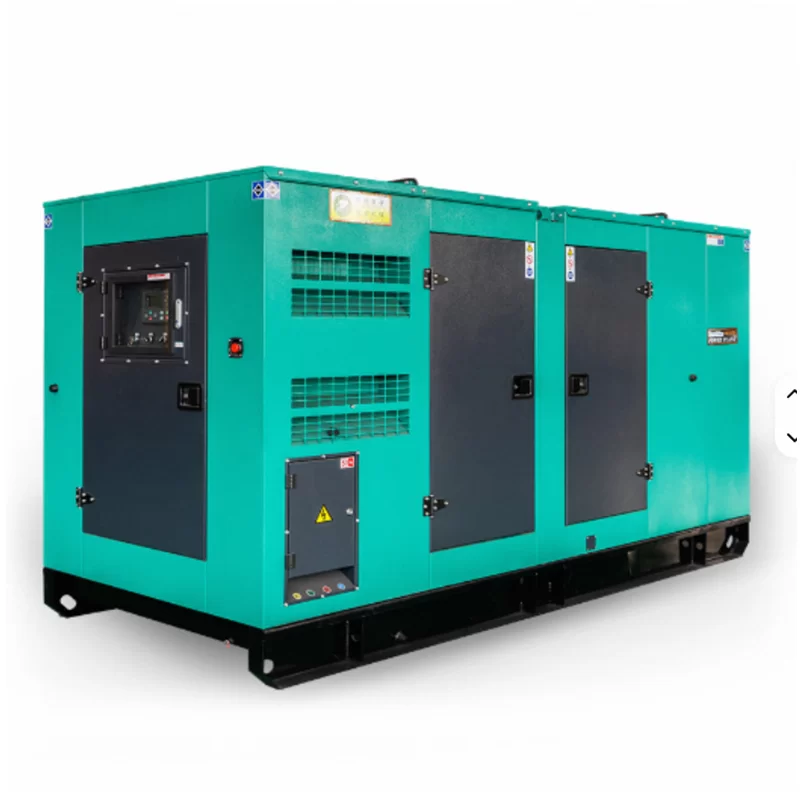
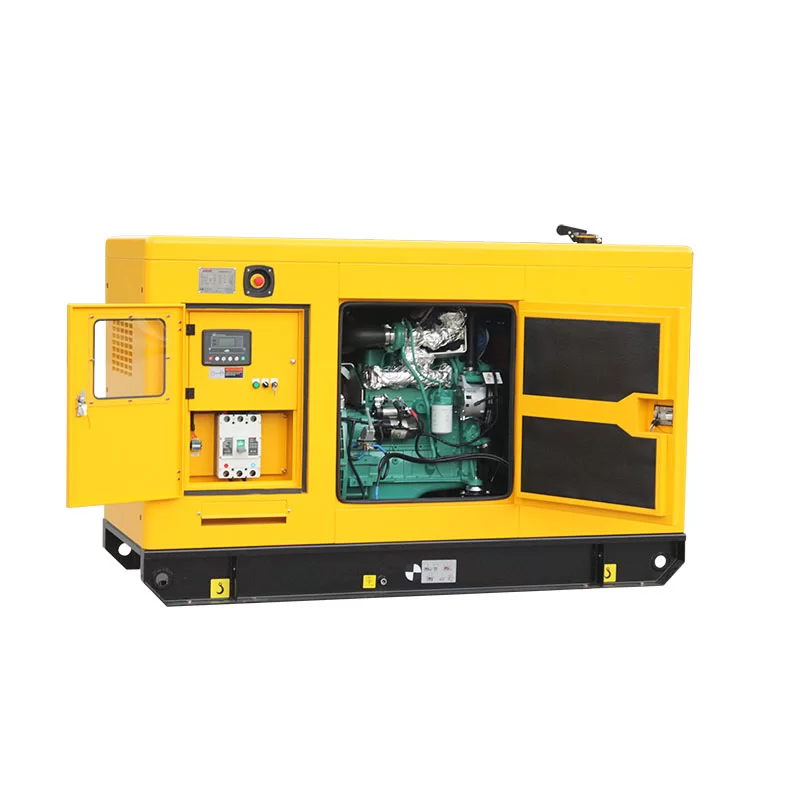
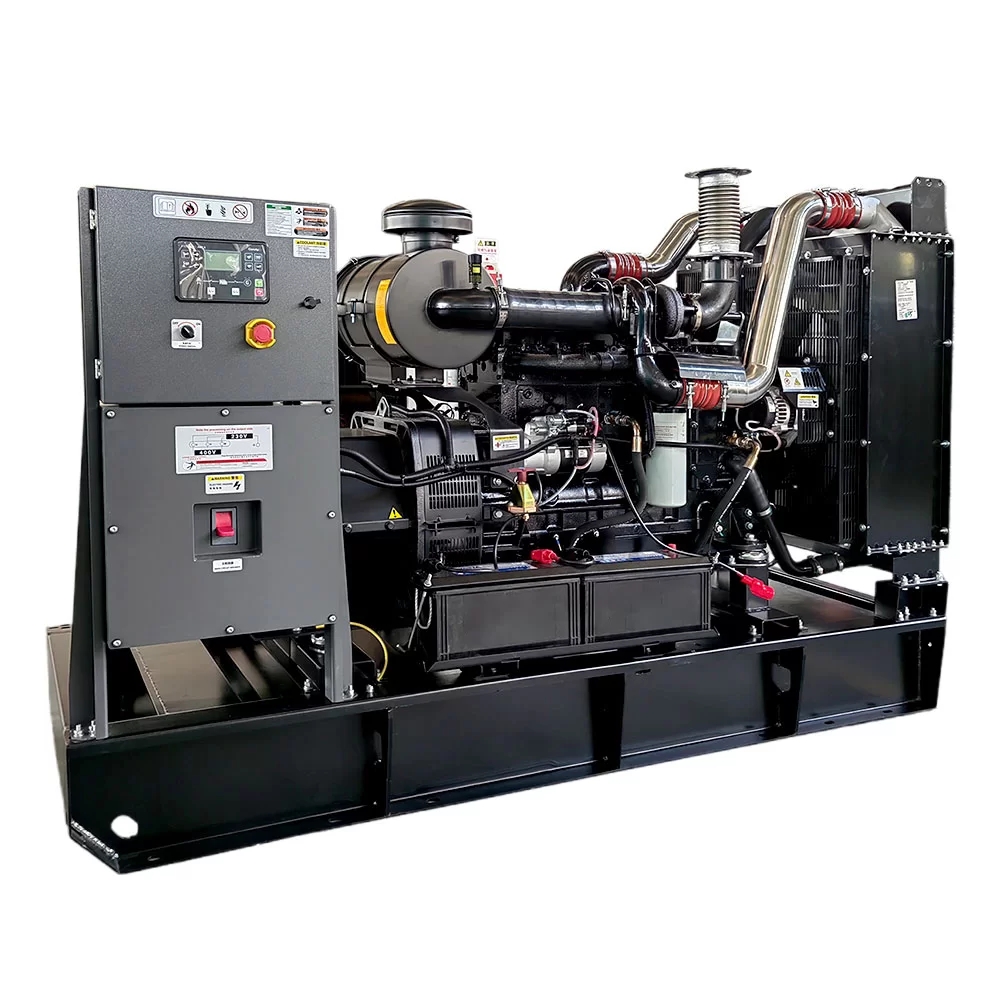
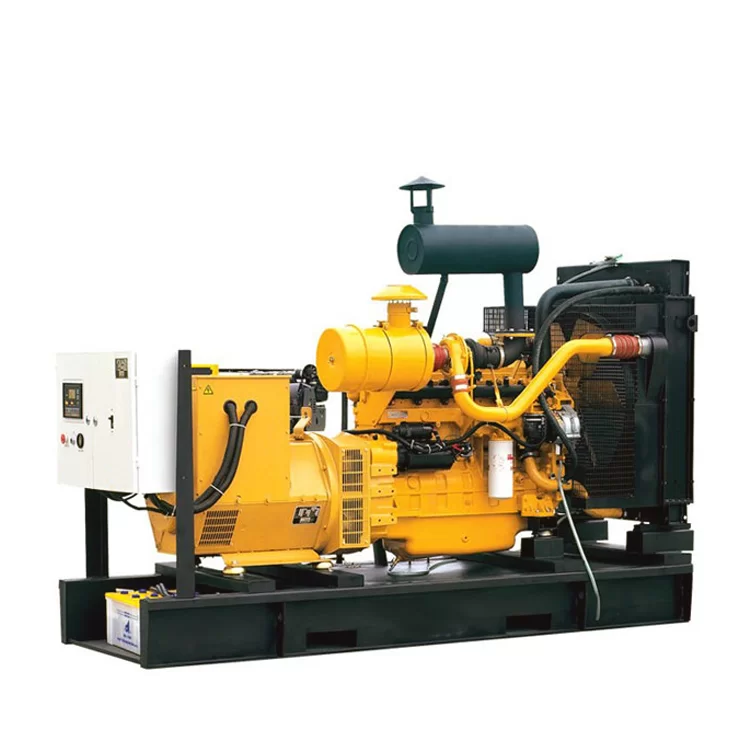
Structural design and installation are also critical components of engine-specific generator solutions. Generators are available in open-frame, soundproof, and containerized configurations, each offering unique benefits. Open-frame units are cost-effective and suitable for facilities with controlled environments. Soundproof generators minimize operational noise, which is essential for commercial buildings or facilities near residential areas. Containerized generators offer enhanced protection from environmental factors such as dust, moisture, and temperature extremes, making them ideal for outdoor installations and harsh industrial sites. By pairing the appropriate engine with the right generator structure, operators can maximize both efficiency and reliability while ensuring compliance with safety standards.
Engine-specific generators are not limited to industrial or commercial applications; they also play a vital role in remote and off-grid power systems. Mining operations, construction sites, and rural communities often lack access to reliable grid electricity. In these scenarios, generators with engines designed for specific loads and fuel types can provide uninterrupted power while minimizing fuel usage and maintenance requirements. For example, natural gas engines can reduce emissions and fuel costs in remote communities, while diesel engines provide robust performance for heavy machinery in mining and construction environments. This adaptability highlights the importance of engine-specific designs in diverse energy applications.
The integration of advanced control and monitoring systems is another factor that enhances the efficiency and reliability of engine-specific generators. Modern systems enable automatic start and stop functions, load management, and real-time monitoring of engine and generator performance. Remote monitoring capabilities allow operators to oversee multiple sites from a central location, identify inefficiencies, and respond quickly to any operational issues. Predictive maintenance features further improve reliability by allowing maintenance activities to be scheduled based on actual engine performance rather than fixed intervals, reducing downtime and extending equipment lifespan.
Environmental and economic considerations further support the adoption of engine-specific generators. Engines optimized for fuel efficiency reduce operational costs while lowering greenhouse gas emissions. Cleaner combustion engines, such as those running on natural gas, contribute to improved air quality and align with sustainability goals. Additionally, high-quality engines are designed for durability, reducing the need for frequent replacements and minimizing lifecycle costs. These advantages make engine-specific generators a strategic investment for industries, commercial facilities, and off-grid communities aiming to balance performance, cost efficiency, and environmental responsibility.
In conclusion, engine-specific generators provide a powerful combination of efficiency, reliability, and adaptability for a wide range of applications. By carefully selecting engines that match the operational requirements of industrial, commercial, and remote facilities, organizations can achieve optimized fuel consumption, consistent power delivery, and reduced environmental impact. With advanced monitoring systems, modular power configurations, and robust structural designs, engine-specific generators ensure uninterrupted energy supply under diverse conditions. As industries and communities continue to prioritize sustainable and reliable energy solutions, engine-specific generators are poised to play a pivotal role in delivering the performance, efficiency, and dependability that modern operations demand.