In an era where sustainability and environmental responsibility are more critical than ever, energy solutions that combine efficiency, reliability, and minimal environmental impact are in high demand. Natural gas generators have emerged as a leading technology in this field, providing cleaner, more efficient alternatives to traditional diesel and coal-powered systems. With industries, commercial facilities, and remote communities seeking sustainable energy sources, natural gas generators are increasingly recognized as a key component in driving cleaner energy solutions around the world.
Unlike conventional fossil fuel generators, natural gas generators burn fuel more cleanly, producing lower levels of pollutants such as carbon monoxide, nitrogen oxides, sulfur dioxide, and particulate matter. This reduction in harmful emissions is particularly important for industrial facilities located in urban areas, commercial buildings with high occupancy, and environmentally sensitive regions. By utilizing natural gas as a primary fuel, these generators contribute to improved air quality, compliance with environmental regulations, and alignment with corporate sustainability goals. In addition, natural gas combustion generates less carbon dioxide per unit of energy produced, making it a more climate-friendly alternative compared to other fossil fuels.
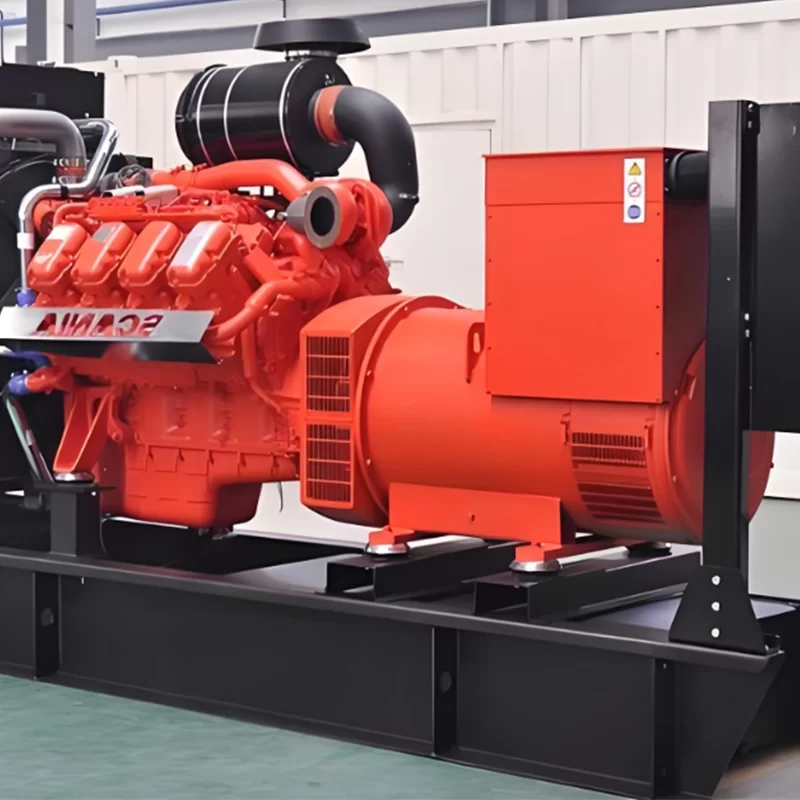
One of the most significant advantages of natural gas generators is their operational efficiency. These generators convert fuel into electricity with high thermal efficiency, meaning that less fuel is wasted, and operational costs are reduced. Advanced engine designs, such as those from leading manufacturers like CUMMINS and Perkins, enable generators to handle variable loads, frequent start-stop cycles, and extended operation hours without compromising performance. This reliability ensures continuous power supply for critical applications in industrial plants, hospitals, data centers, and commercial complexes, reducing the risks associated with unexpected outages.
Industrial facilities are increasingly turning to natural gas generators as a cornerstone of their sustainable energy strategies. Manufacturing plants, processing facilities, and warehouses require continuous power to operate machinery, assembly lines, and climate control systems. Interruptions in power can lead to production losses, damaged equipment, and operational inefficiencies. By incorporating generators by engine type that are optimized for specific load requirements, facility managers can ensure consistent energy supply, reduce fuel consumption, and minimize environmental impact. Modular generator systems further enhance flexibility, allowing facilities to scale power output as operational needs evolve.
In commercial applications, natural gas generators provide a reliable backup for buildings and infrastructure where uninterrupted electricity is essential. Office complexes, shopping centers, hotels, and hospitals depend on consistent energy for lighting, HVAC systems, elevators, and critical equipment. Generators by power range allow operators to select units capable of supplying adequate energy for both everyday operations and emergency scenarios. For example, a large hospital may require multiple megawatts of backup power to ensure life-saving systems remain operational, while smaller commercial buildings may need generators in the range of 50–500 kW to maintain essential services.
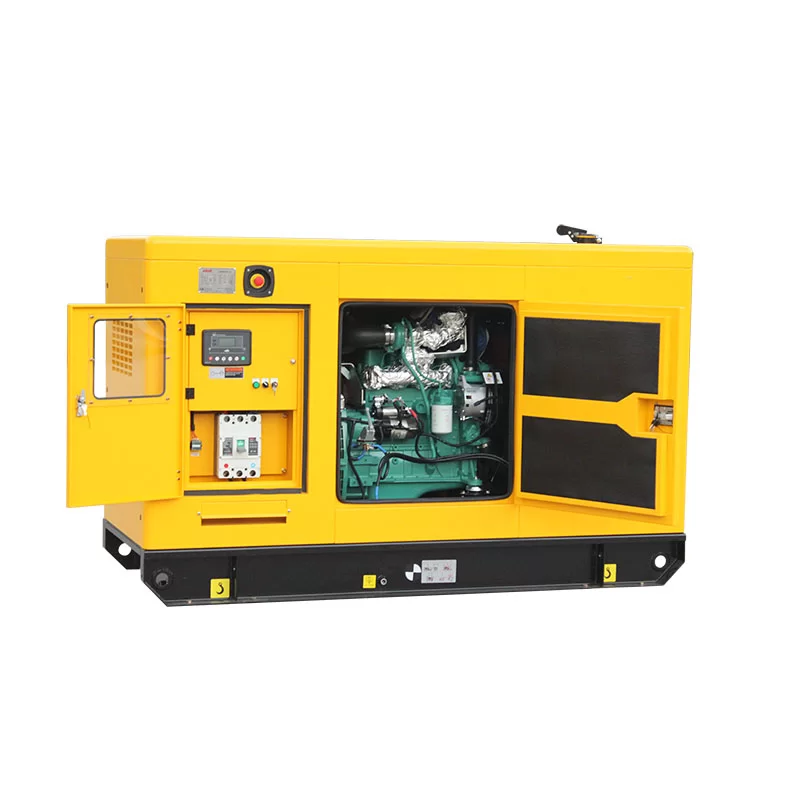
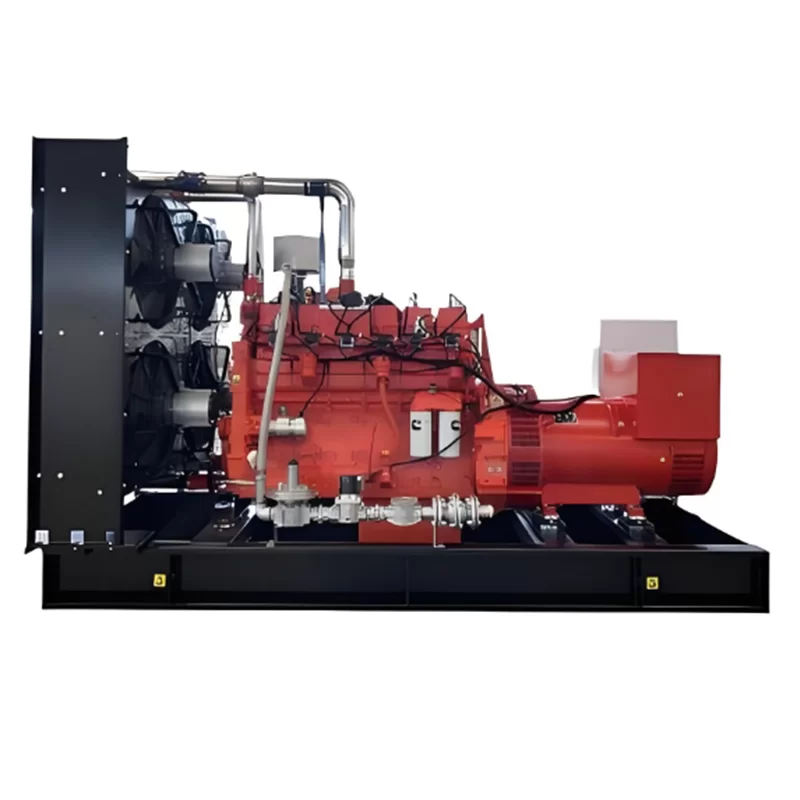
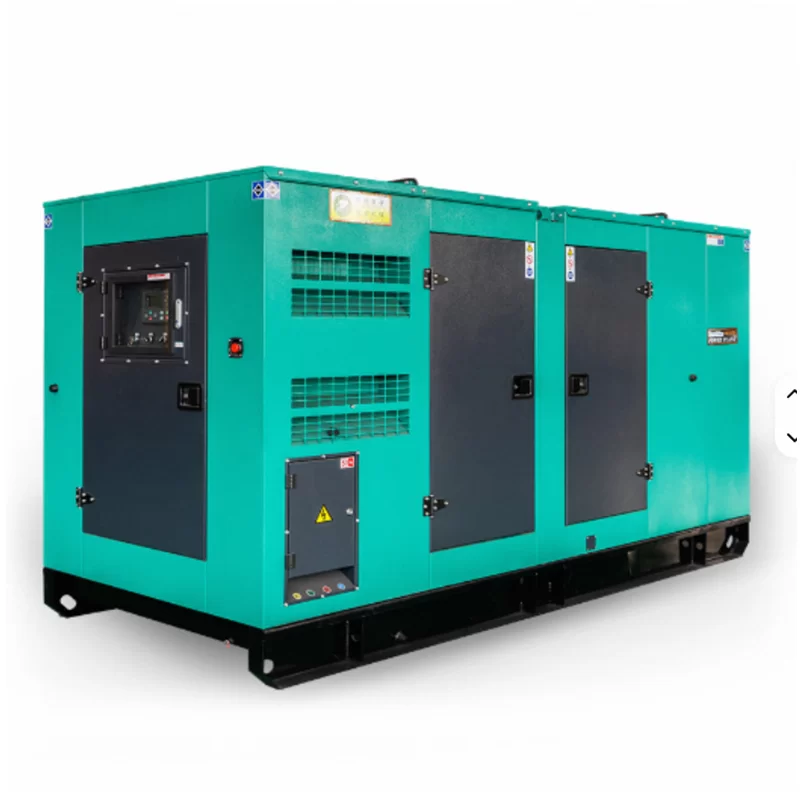
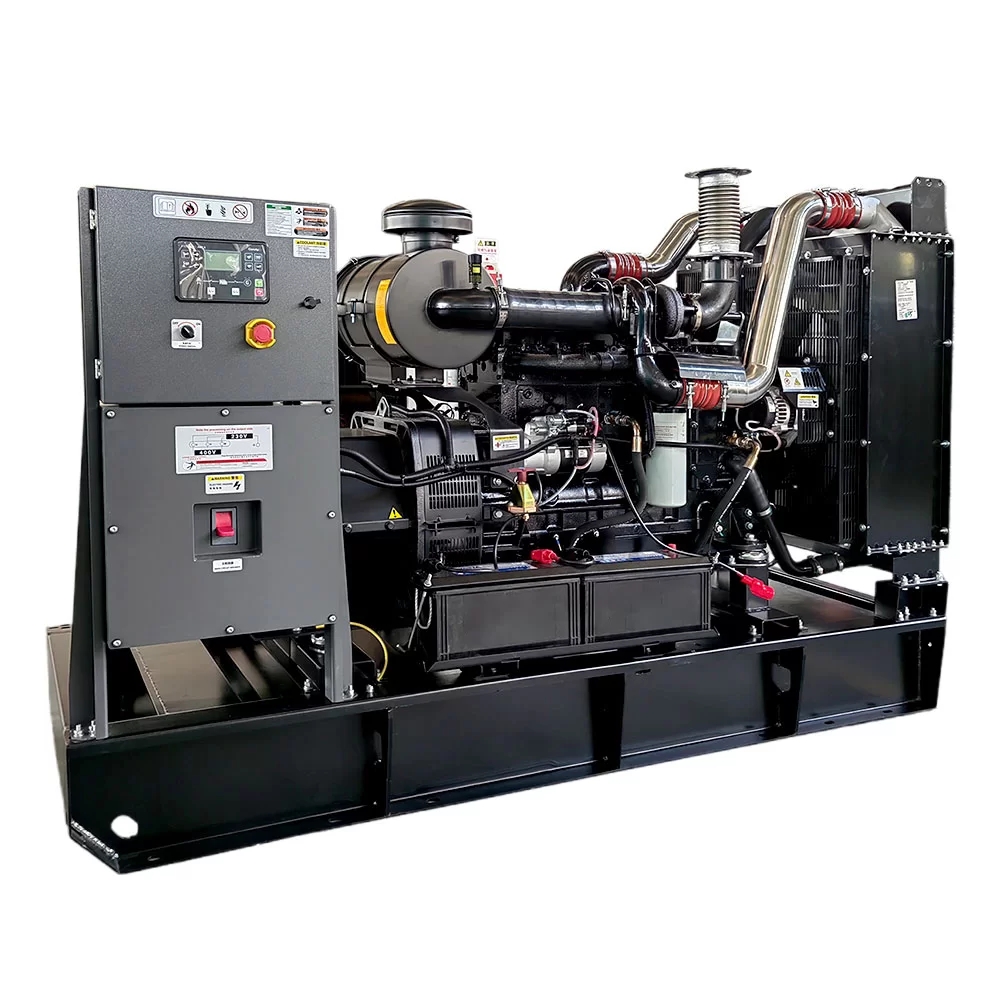
The structure and design of natural gas generators are also crucial in supporting cleaner energy initiatives. Soundproof and containerized generators minimize noise pollution, making them suitable for densely populated urban areas or environmentally sensitive locations. Open-frame generators provide cost-effective solutions for facilities with controlled environments, while robust housings protect against dust, moisture, and temperature fluctuations. These design considerations ensure that generators operate safely, efficiently, and with minimal environmental disruption.
Technological advancements in generator control systems have further enhanced the sustainability of natural gas power solutions. Modern generators are equipped with intelligent monitoring systems that track voltage, frequency, fuel consumption, and engine performance in real time. Automated controls allow for efficient load management, optimal fuel usage, and predictive maintenance, reducing both energy waste and operating costs. Remote monitoring capabilities also enable facility managers to oversee generator performance from any location, ensuring consistent energy supply while minimizing the environmental footprint.
Remote and off-grid applications are another area where natural gas generators are driving cleaner energy solutions. Mining operations, construction sites, research stations, and rural communities often lack access to traditional power grids. In these contexts, natural gas generators provide a dependable and eco-friendly alternative to diesel-powered systems. With lower emissions, higher fuel efficiency, and quieter operation, these generators support sustainable development in regions where environmental protection is critical and energy demands are significant.
The economic benefits of natural gas generators complement their environmental advantages. Natural gas is typically more cost-effective than diesel and widely available through pipeline infrastructure, reducing the challenges of fuel transportation and storage. Lower fuel consumption, combined with reduced maintenance requirements due to cleaner combustion, translates into operational savings over the lifetime of the generator. By investing in natural gas technology, businesses and communities can achieve a balance between cost efficiency and environmental responsibility.
Governments and regulatory bodies around the world are increasingly promoting cleaner energy solutions, and natural gas generators align well with these policies. Incentives for reducing greenhouse gas emissions, improving air quality, and adopting sustainable energy practices encourage industries, commercial facilities, and utilities to integrate natural gas power solutions into their energy mix. As a result, natural gas generators not only provide reliable electricity but also contribute to broader goals of environmental stewardship and sustainable development.
In conclusion, natural gas generators are playing a pivotal role in driving cleaner energy solutions across industries, commercial facilities, and remote communities. Their low emissions, high efficiency, operational reliability, and adaptability make them an ideal choice for modern energy needs. By incorporating generators optimized by engine type, power range, and structural design, organizations can ensure continuous, sustainable power supply while reducing environmental impact. From urban commercial buildings to off-grid industrial operations, natural gas generators represent a practical, efficient, and environmentally responsible solution that supports both economic growth and ecological sustainability. As the world continues to prioritize clean energy, natural gas generators are poised to be at the forefront of a more sustainable and reliable energy future.